
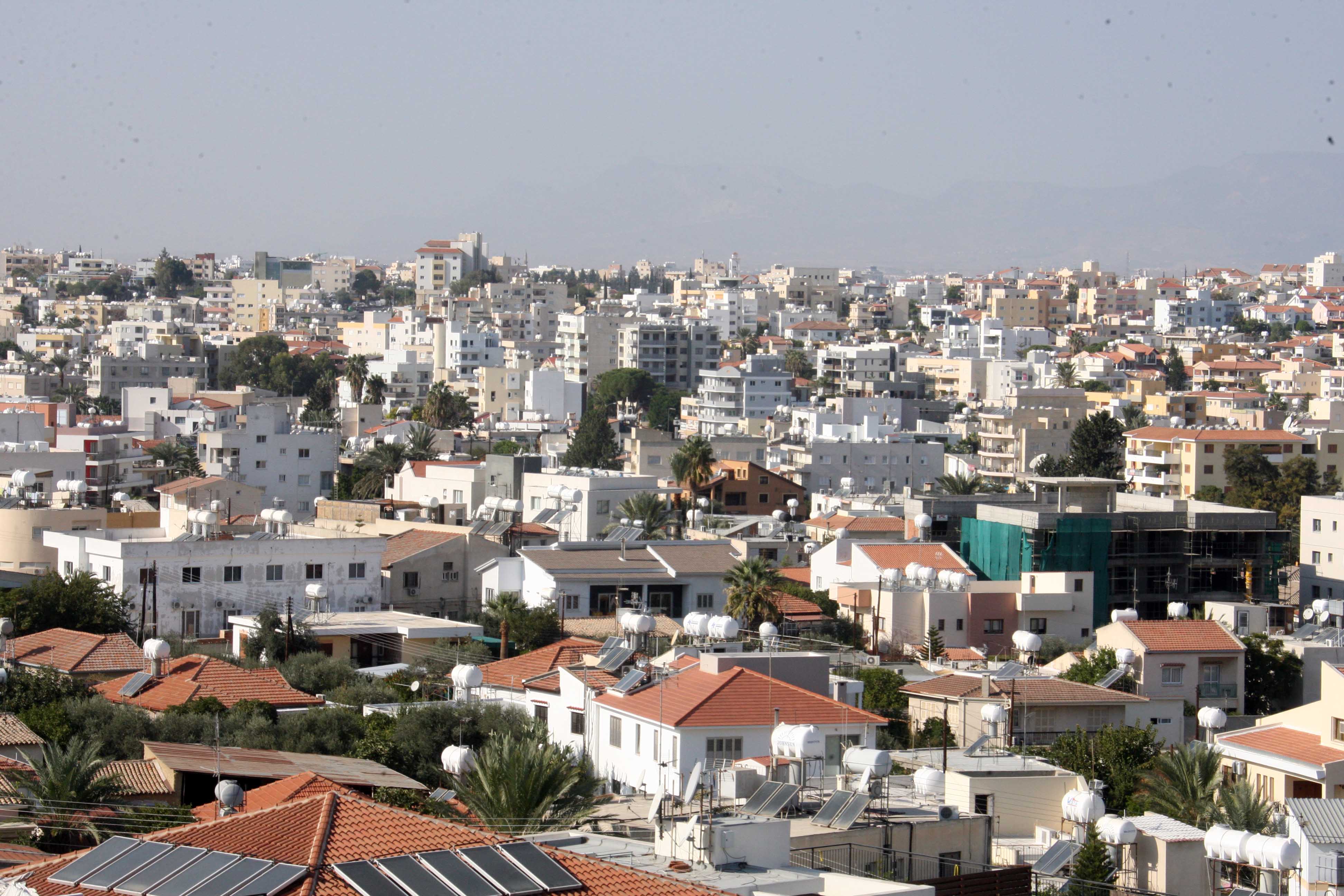
Cyprus has emerged as one of Europe’s clearest examples of homes outgrowing the households inside them, with more than seven in ten people in rural areas living in properties considered larger than they need.
The latest Eurostat figures place Cyprus among the EU countries with the highest levels of under-occupied housing in rural areas, alongside Ireland and Belgium. Only the Netherlands recorded a higher rural rate, at 73.3 per cent.
Under-occupation, however, does not mean a property is empty. Eurostat uses the term when a household has more rooms than are considered necessary for the number and ages of the people living there. A family home occupied by a couple after their children have moved out, for example, may therefore be classed as under-occupied.
That distinction is particularly relevant in Cyprus, where larger homes have long been a feature of the housing market.
Across the island, 69.4 per cent of people lived in under-occupied homes in 2025, the highest proportion in the EU and more than twice the bloc average of 33.4 per cent. Ireland followed at 66 per cent and Malta at 63.2 per cent.
Nor is this an entirely new phenomenon. Eurostat data for 2024 had already placed Cyprus at the top of the EU, with around 70 per cent of the population living in homes judged larger than necessary, compared with 67 per cent in Ireland and 64 per cent in Malta.
Cypriot homes also tend to offer considerably more space than those elsewhere in Europe. Earlier figures showed that people on the island had an average of two rooms per person, compared with 1.7 across the EU, while almost three quarters of the population lived in houses rather than flats.
The rural figures make the contrast still more striking. Across the EU, 41.3 per cent of people living in rural areas were in under-occupied homes in 2025, compared with 35.6 per cent in towns and suburbs and just 26.2 per cent in cities.
Cyprus sits near the opposite end of that spectrum, with its rural rate above 70 per cent. The other side of the housing picture, however, looks very different.
While much of Europe continues to grapple with overcrowded homes, Cyprus has one of the lowest rates in the bloc. The overall figure stood at about 2.2 per cent in 2025, against an EU average of 16.8 per cent.
The breakdown by location is particularly unusual. In Cyprus, overcrowding was highest in towns and suburbs, at 3.4 per cent, rather than in cities, where the rate stood at 2.3 per cent. In rural areas, it dropped to just 0.7 per cent, the lowest of the three.
Across the EU, the pattern was almost the reverse. Overcrowding reached 20.4 per cent in cities, compared with 14.8 per cent in towns and suburbs and 14.2 per cent in rural areas.
There is, however, another divide behind Cyprus’ low headline overcrowding rate. Among people renting at market prices, 8.3 per cent were living in overcrowded accommodation in 2025, well above the national average. Among homeowners with no outstanding mortgage or housing loan, the rate was just 0.6 per cent.
That gap sits awkwardly alongside the abundance of spare rooms elsewhere in the housing stock.
It also comes at a time when both rents and property prices have been rising. Earlier Eurostat figures showed Cyprus house prices increasing by 6 per cent year-on-year in the fourth quarter of 2025, while rents were 4.2 per cent higher in March 2026, both above the corresponding EU rates.
At the same time, Cyprus continues to fare comparatively well under several conventional measures of housing affordability.
The share of people whose housing costs exceeded 40 per cent of disposable income stood at 2.4 per cent in 2025, the lowest in the EU, while home ownership was slightly above the European average at 69.2 per cent.
Taken together, the figures point to a rather more complicated housing picture than one simply defined by too many homes or too few.
Cyprus has a considerable amount of living space tied up in properties occupied by relatively small households, particularly outside its cities, while renters and people trying to secure suitable housing are dealing with a very different market.
The wider Eurostat figures also show that 92.7 million people, 20.9 per cent of the EU population, were at risk of poverty or social exclusion in 2025. In Cyprus, the corresponding share was lower, at around 17.1 per cent, roughly 167,000 people.




Click here to change your cookie preferences