
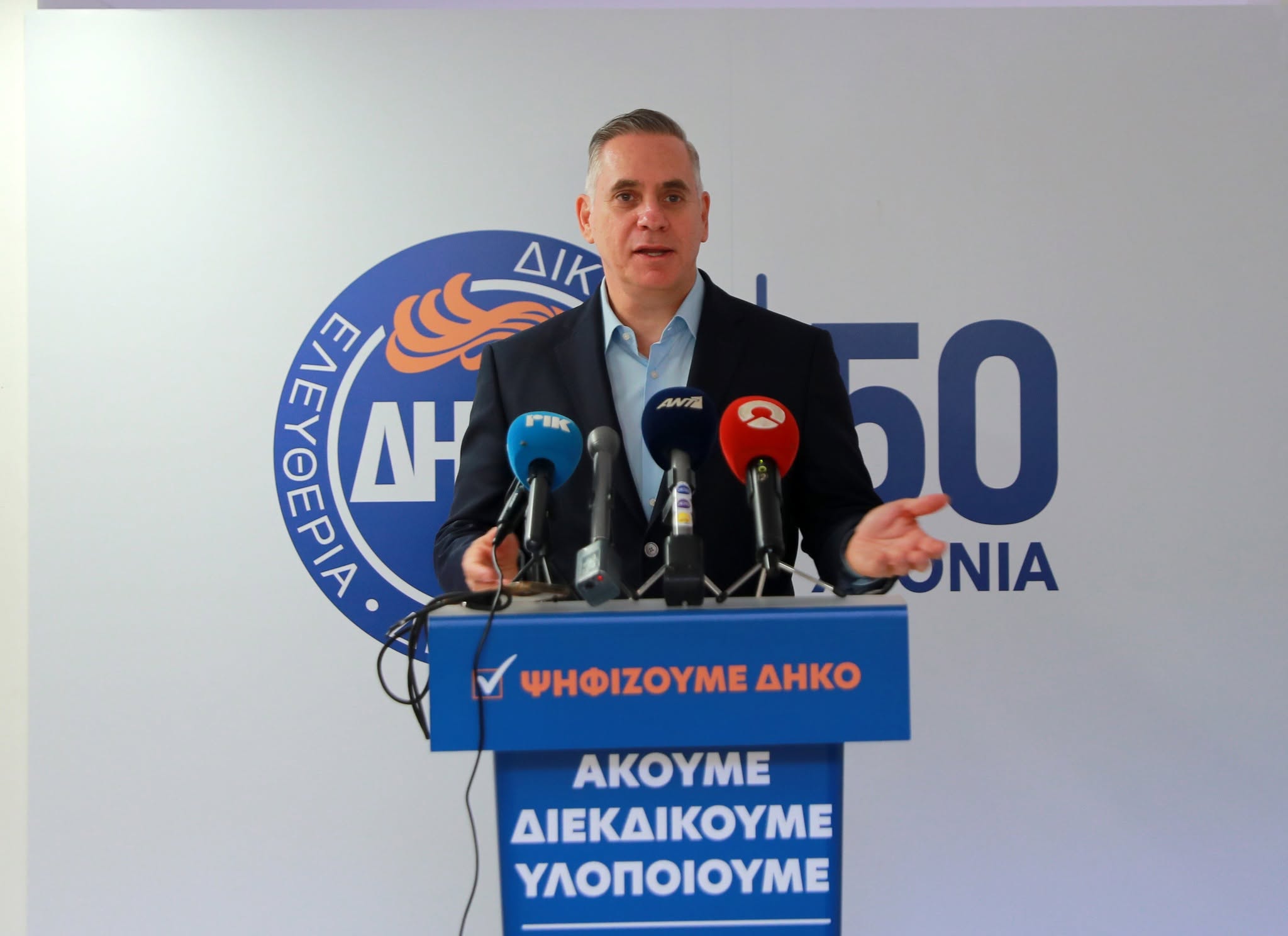
Diko leader Nicholas Papadopoulos on Sunday called on Finance Minister Makis Keravnos to resign from his post over his reservations regarding the planned Great Sea Interconnector project, which, if completed, will link the energy grids of Cyprus, Greece, and Israel.
“There are still contradictions. For example, we have welcomed statements made by the president, who has not only said the project will proceed, but has made it clear that all amounts which the Republic of Cyprus is required to pay will be paid with the issuance of a navtex by Greece in the coming days,” he told newspaper Politis.
The navtex will warn ships in the region of planned seabed surveys in the seas between Crete and Cyprus, and is expected imminently, with Papadopoulos saying that Christodoulides’ promise to pay the Greek government €25 million once it is issued is “an absolutely correct position”.
He said that this is because “the electrical interconnection will upgrade us geostrategically, provide electrical adequacy, and will reduce energy prices”.
“On the one hand, however, the finance minister continues to demonise the project at every opportunity, without, however, referring us to any studies or even data which supports his point of view,” he said.
He added that “therefore, for us, a very serious question arises: why, according to the finance minister, is the president promoting a project which he believes will be disastrous for the country?”.
“If the finance minister disagrees with this project to such an extent, why does he not resign?” he asked.
Keravnos has historically been the least enthusiastic member of the cabinet with regard to the interconnector, warning earlier this month that the project may cost a great deal more than the €1.9 billion which is currently projected and questioning whether it will bring down consumer electricity prices.
Keravnos has previously accused his Greek counterpart of ‘fake news’
Previously, he had accused his Greek counterpart Stavros Papastavrou of “fake news” after Papastavrou had said the Cypriot minister “does not show” the studies which he claimed demonstrate the project is not sustainable.
Keravnos had said that studies which demonstrate this had been commissioned by Cypriot energy minister of the day George Papanastasiou, that they were “properly delivered” to the Greek energy ministry, and that they had even been sent to Papastavrou’s predecessor Theodoros Skylakakis.
“We all know the studies and their findings,” he said, adding that “some people’s concerns are reasonable”, and that he himself has “many concerns”.
Papastavrou a week prior decried what he described as “constantly conflicting messages from the Cypriot side” over the matter of the interconnector.
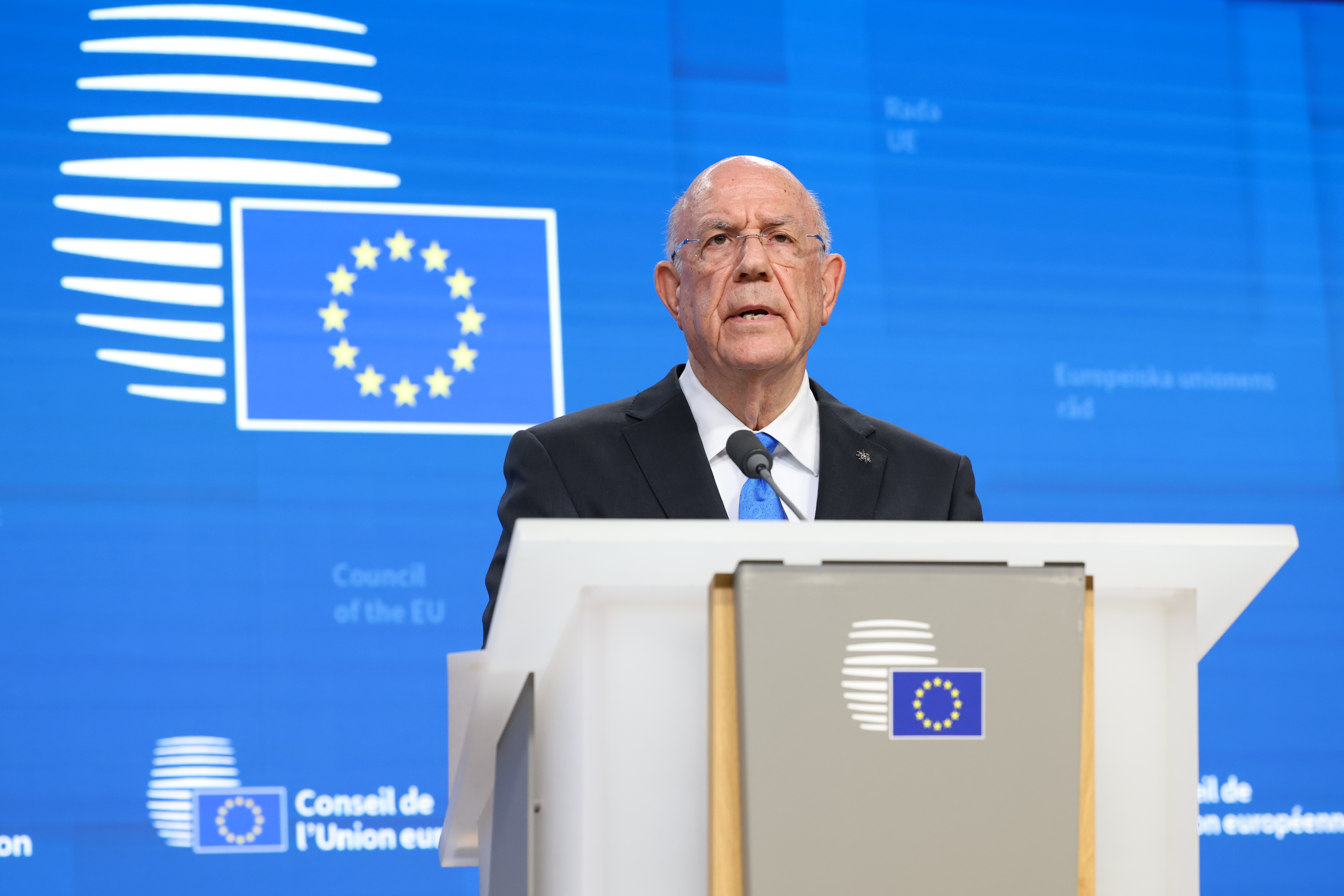
However, Keravnos is not the only incumbent Cypriot minister to have raised questions regarding the impact of the interconnector on consumer energy prices, with Energy Minister Michael Damianos having said words to the same effect last month.
“The implementation of the electrical interconnection between Cyprus and Crete will mean significant electricity for Cyprus, but this does not necessarily mean that the price of electricity will also decrease – it may increase,” he said.
These comments drew swift responses from both the European Commission and Papanastasiou, with a spokesperson for the former telling the Cyprus Mail that “boosting electricity interconnections helps bring down energy prices by allowing the integration of more renewables in the system”.
“Better and improved interconnectivity is essential in the EU – to bring down energy prices for our citizens and industry, and to secure our independence,” the spokesperson said.
EU, Papanastasiou criticised Damianos for saying interconnector may raise consumer prices
Papanastasiou, meanwhile, told the Cyprus Mail that “when a small market is opened to competition, you want to have access to as many different sources as possible so as to increase that competition”.
“With a competitive market, the more energy sources and energy providers which exist inside that market, whether they be domestic providers or able to provide energy from further afield via an interconnection cable, the more competition there will be, which will incentivise those providers to offer lower prices to consumers,” he said.
As such, he said, “logic itself does not agree with Damianos’ statements”, as “the introduction of more competition can do nothing but bring prices down”.
He added that during his own tenure as minister, all the studies he saw suggested that consumer prices would be reduced as a result of the interconnector’s construction.
“I do not know where Damianos’ statement comes from exactly, and it is likely unsubstantiated,” he added.
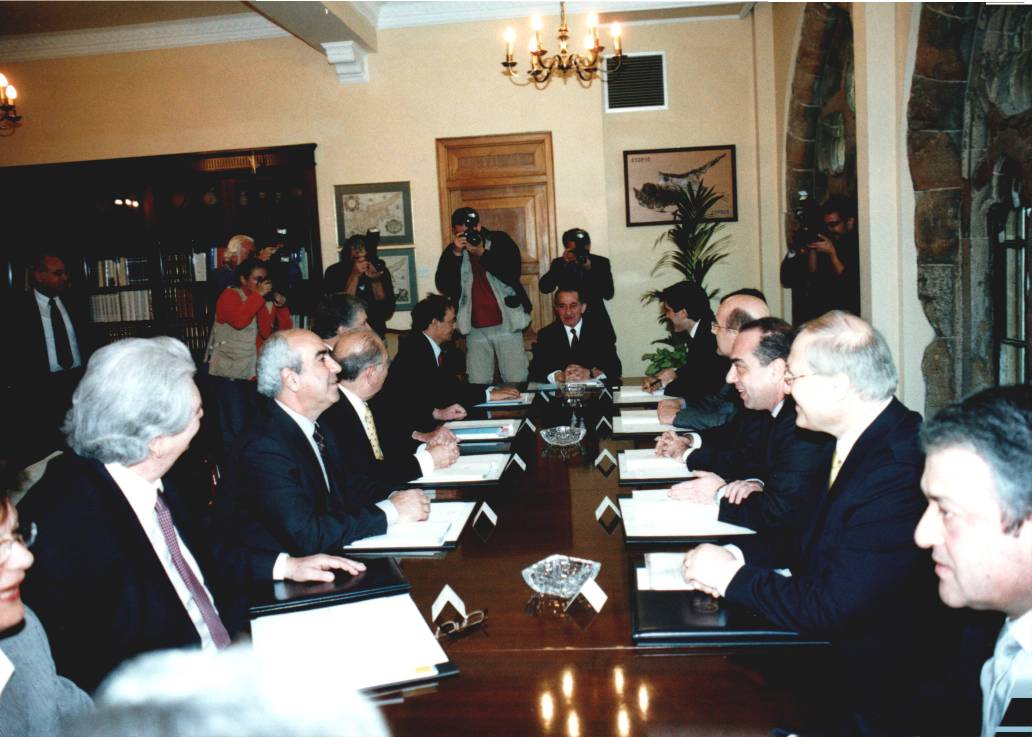
Papadopoulos’ stern words for Keravnos come despite the finance minister having been a longtime member of Diko, serving in the party’s internal bodies before being named in Papadopoulos’ father Tassos Papadopoulos’ first cabinet, as labour minister, in 2003.
He was then moved to the finance ministry a year later, before leaving frontline politics in 2005 to become the chief executive of the Hellenic Bank, the predecessor of today’s Eurobank, and then returning to the fray in 2023 when Nikos Christodoulides named him as his finance minister.
Michael Damianos is also a member of Diko.



Click here to change your cookie preferences