
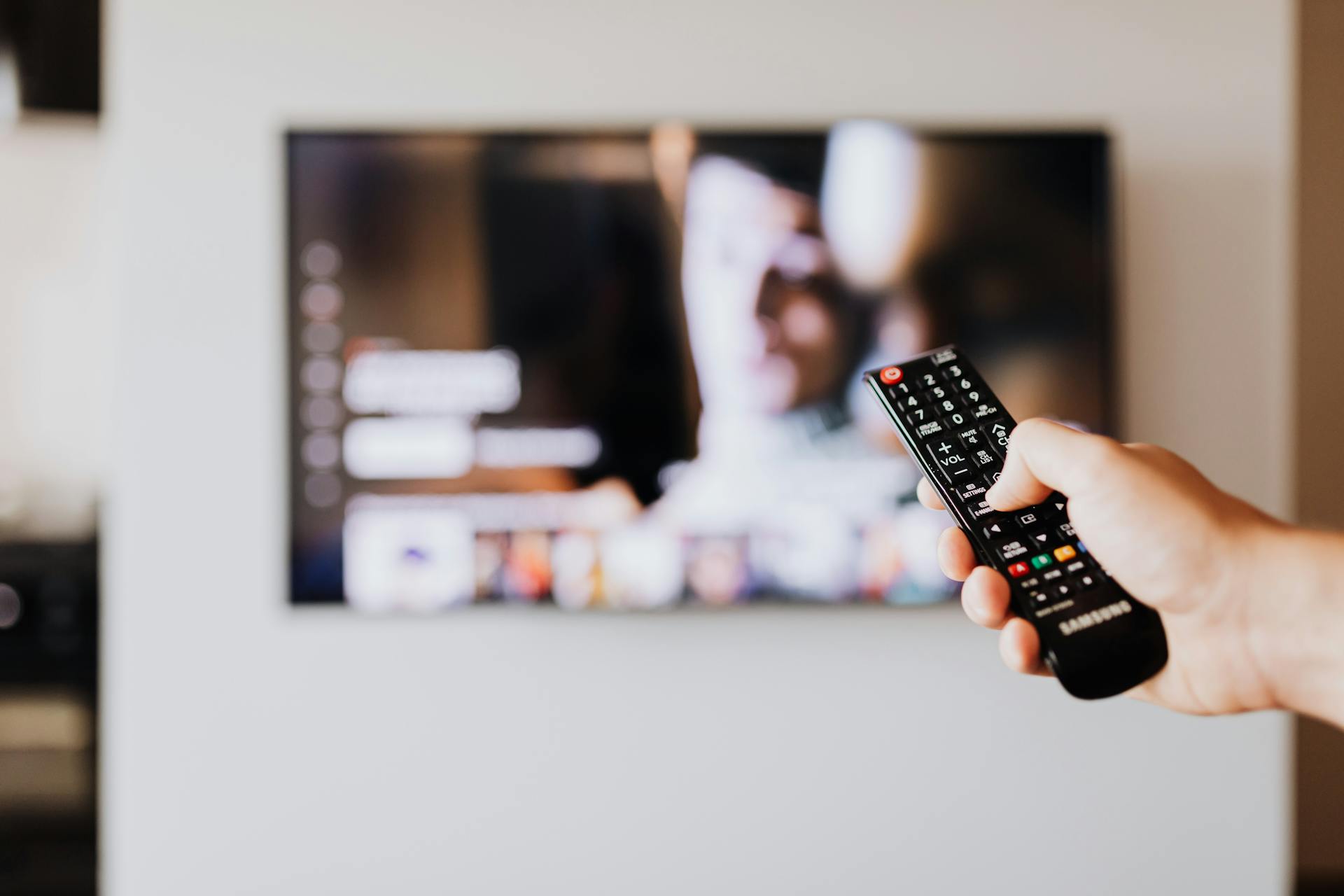
Smartphones are changing the way people watch television
Market research firm Omdia has highlighted a global shift in how audiences divide their attention between television and smartphones, with nearly three in four US TV viewers regularly using their phones for other media while watching television.
The findings, while based on US consumers, point to a wider challenge for broadcasters and content producers as audiences increasingly treat television and mobile devices as interconnected parts of the same viewing experience.
Omdia’s research found that simultaneous media use has become more widespread across age groups, including among older viewers who have traditionally been more closely associated with conventional television viewing.
Among 55 to 64-year-olds in the US, the proportion using other media while watching television rose from 42 per cent in 2023 to 56 per cent in 2026.
For those aged 45 to 54, the figure increased from 62 per cent to 73 per cent over the same period.
Among 35 to 44-year-olds, simultaneous media use rose to 76 per cent from 69 per cent.
The figures suggest that the competition for attention is no longer simply between traditional television and streaming services, but increasingly includes the smartphone screen sitting alongside the television.
Short-form video is particularly important to this shift, with users becoming accustomed to brief, highly personalised content on mobile devices.
“We don’t have a content problem. We have an attention problem,” said María Rúa Aguete, global head of media and entertainment at Omdia.
“Three in four US TV viewers are using their phones while watching TV, and increasingly what they are doing is watching more video,” she added.
“The battle is no longer simply TV versus mobile; both screens are on,” Aguete stated.
The underlying lesson extends beyond the US because the same technology and viewing habits are available to consumers in markets around the world.
The growing popularity of short-form and vertical video means that a television programme is increasingly competing against an unlimited supply of personalised content available instantly on a phone.
For broadcasters and streaming services, this creates a challenge that cannot necessarily be addressed simply by producing more content.
Capturing and retaining attention is becoming a separate consideration, particularly as viewers move between screens within seconds without necessarily switching off the television.
The trend also has implications for advertisers, which increasingly need to consider how audiences consume media across multiple screens rather than treating television and mobile as completely separate advertising environments.
For content owners, understanding what prompts those movements could become as important as knowing which programmes they watch.
“The future isn’t TV versus mobile,” Aguete stated.
“The companies that understand how audiences move between those screens will be best positioned to win,” she added.
The findings were based on Omdia’s latest research into changing video consumption habits, the attention economy and the growth of short-form and vertical video.
Rúa Aguete presented the findings at IBC 2026 in Amsterdam to illustrate the changing relationship between audiences and mobile video.
The broader shift raises a challenge for media companies across markets, including smaller ones such as Cyprus, where audiences have access to the same global streaming platforms.
For traditional broadcasters, the issue is therefore whether television remains the screen that commands attention when several competing sources of video are available at the same time.





Click here to change your cookie preferences