
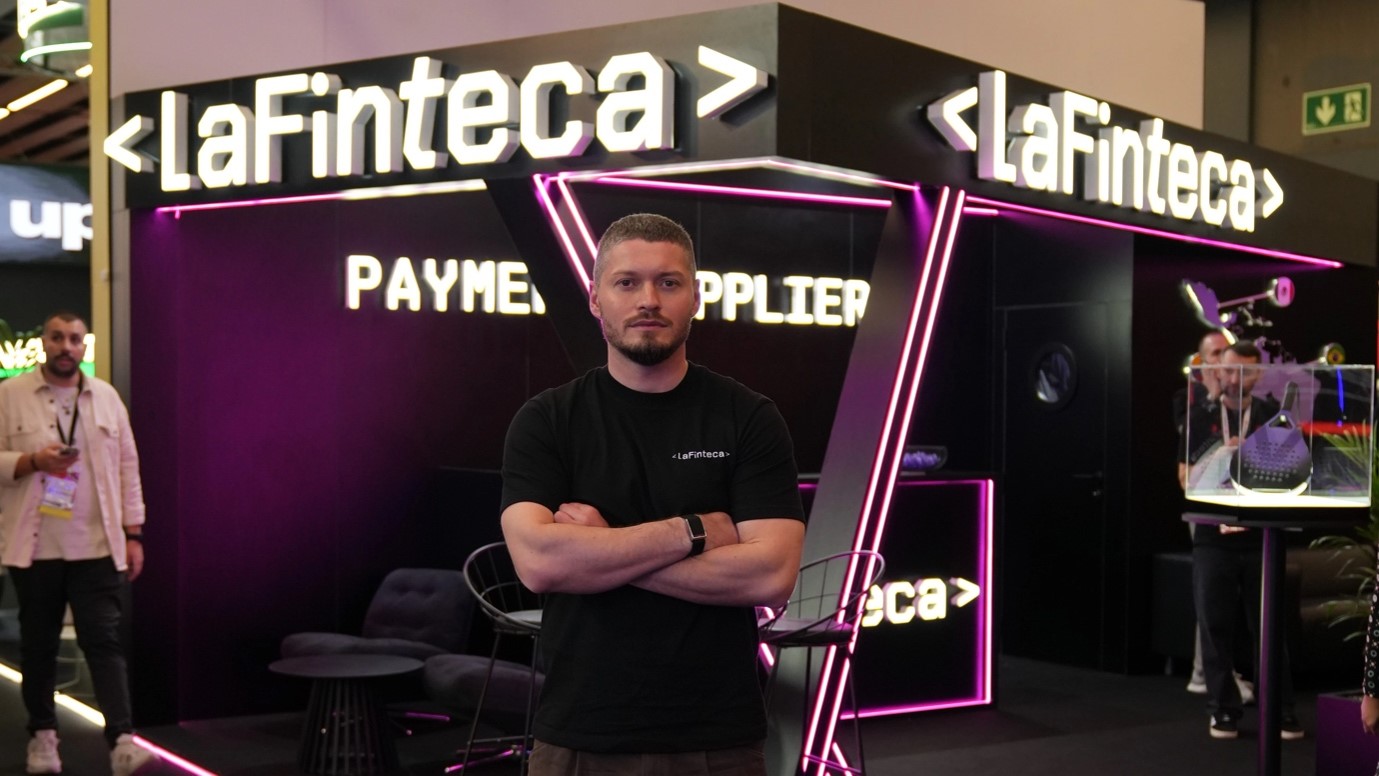
BCB Resolution 561 tightens who may move money between Brazilian customers and foreign sellers, and how that money crosses the border, says Dmytro Rukin, CEO of LaFinteca. For US companies getting paid from Brazil, the change sits with their payment provider, which must be authorized by the Central Bank of Brazil and settle abroad through regular FX operations or non-resident real accounts.
Since October 1, 2026, eFX providers can no longer use stablecoins or other crypto assets to settle with their counterparts abroad, under the resolution the central bank published on April 30, 2026. A second date follows on November 6, when banks and payment institutions supervised by the central bank must stop dealing with unauthorized virtual asset service providers, under Resolution 520 as amended in September 2026. Rukin reads both dates as clarity.
“Every merchant I talk to asks the same thing about Brazil, which is who exactly holds my money between the customer and my bank,” says Rukin. “Resolution 561 answers that in writing.”
What is an eFX provider, and why do US merchants depend on one?
An eFX provider is the company that lets a Brazilian customer pay in reais, by Pix, boleto or card, while the US merchant receives dollars. It collects the reais in Brazil, runs the currency exchange and pays the seller abroad. The eFX Brazil framework dates from Central Bank Resolution 277 of 2022, and for a US company without a Brazilian entity it is usually the practical way to accept local payment methods.
What changed on October 1 and October 30?
Resolution 561, published on April 30, 2026, took effect on October 1. Settlement between an eFX provider and its counterpart abroad must now run exclusively through regular FX operations or non-resident BRL accounts, with virtual assets excluded from that step. Providers must also keep client funds in segregated accounts and report to the central bank every month, according to the central bank.
Providers that already hold central bank authorization have until October 30, 2026 to update their registration. Operators without authorization can keep serving clients only if they apply for it by May 31, 2027.
Why is this good news for merchants?
Clear rules tell a merchant exactly who may move its money. Every eFX provider will either hold central bank authorization or have an application on file by a fixed date, and providers that sat in a gray zone now have a deadline to step out of it. Segregated client accounts add a layer of protection the merchant gets without having to negotiate for it.
LaFinteca holds a payment institution license from the Central Bank of Brazil, which is why Rukin follows its rules closely.
“Gray zones look convenient until the day your money is stuck in one,” says Rukin. “A shorter list of providers who answer to the central bank makes a better market for anyone selling to Brazilians.”
What should a US company ask its payment provider now?
Rukin suggests three questions for the next call with your provider.
- Are you authorized by, or registered with, the Central Bank of Brazil? Ask for the authorization or the application date, and check it against the central bank’s own list of authorized institutions.
- How is the offshore leg settled? The answer should be a regular FX operation or a non-resident BRL account, and it should appear in your contract.
- Does anything change in timing or cost for us? Ask for the answer in writing, with dates, before your next settlement cycle.
Rukin’s view is that clear rules reward the companies that planned to stay in Brazil for the long term. Providers that built for supervision from day one keep working as before, and merchants get partners who will still be there next year. For anyone handling cross-border payments from Brazil, that is good news.
FAQ
What is BCB Resolution 561?
A Central Bank of Brazil rule, published April 30, 2026 and in force since October 1, 2026, that updates how eFX providers handle international payments and bars them from settling abroad with crypto assets.
Can a US company still get paid in dollars by Brazilian customers?
Yes. eFX providers still convert reais and pay sellers abroad, now through regular FX operations or non-resident BRL accounts.
How do I know if my provider complies?
Ask whether it is authorized by the Central Bank of Brazil or applied by the deadline, and how it settles the offshore leg.
Dmytro Rukin is the CEO of LaFinteca, a payment infrastructure company operating across Latin America (Brazil, Mexico, Chile, Peru, Colombia) and Europe.
DISCLAIMER – “Views Expressed Disclaimer – The information provided in this content is intended for general informational purposes only and should not be considered financial, investment, legal, tax, or health advice, nor relied upon as a substitute for professional guidance tailored to your personal circumstances. The opinions expressed are solely those of the author and do not necessarily represent the views of any other individual, organization, agency, employer, or company, including NEO CYMED PUBLISHING LIMITED (operating under the name Cyprus-Mail).




Click here to change your cookie preferences