
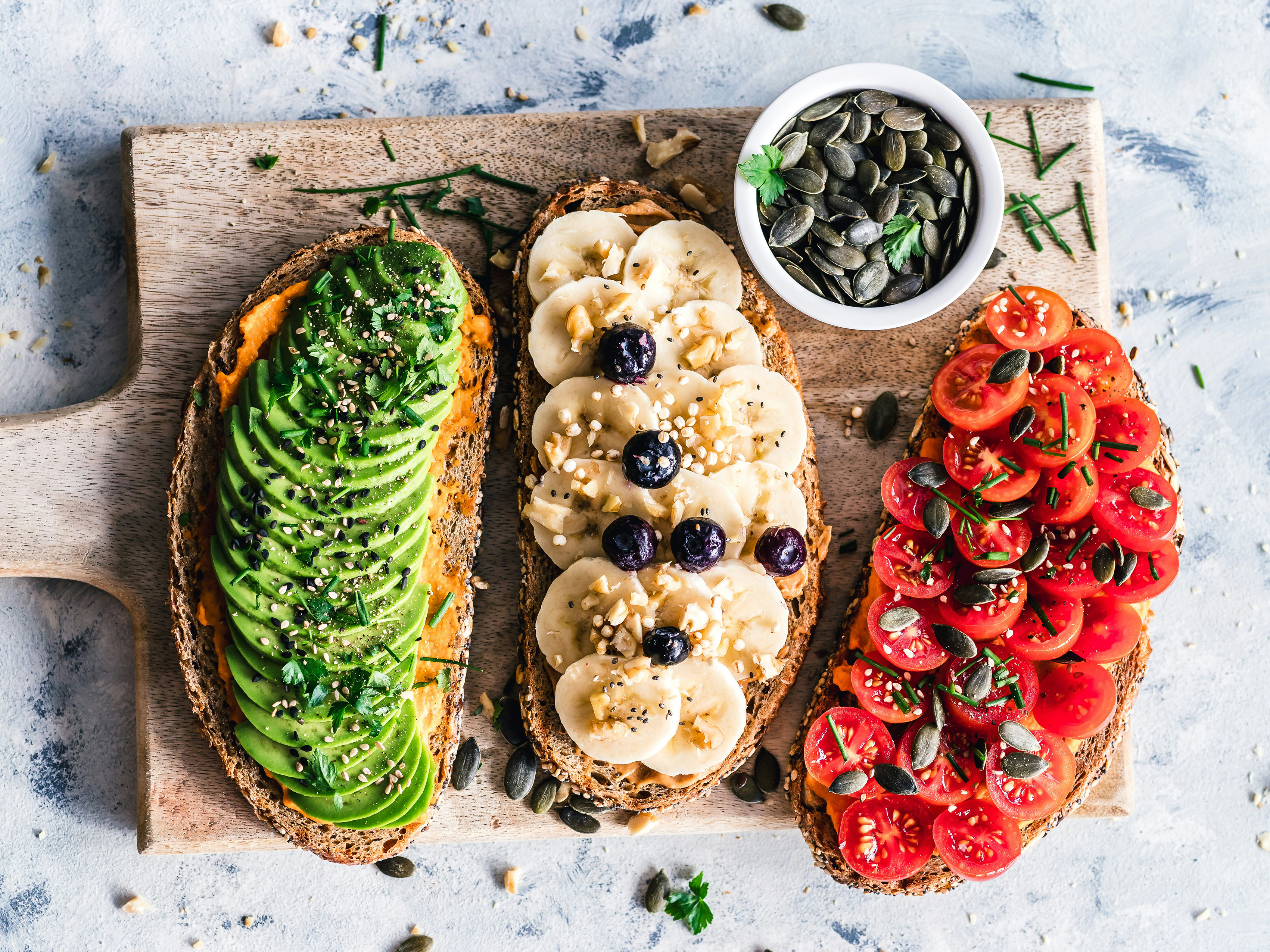
From a mother's decision inspired by her children to the closure of Nicosia's first fully vegan restaurant, changing attitudes towards food, animal welfare and plant-based living reveal a complex picture of veganism on the island
For Anastasia, it was her kids that made her do it.
The 46-year-old from Psematismenos, co-founder of the Vegan Fam Festival which takes place in that village, used to be an enthusiastic meat eater. She’d grown up in a family of hunters, and being a carnivore was par for the course. If she was at a gathering with souvla on the table, she recalls, she’d end up eating meat to the exclusion of all else.
All that changed 12 years ago – and it was down to her kids, her daughter, then aged 10, and especially her son, then aged five. The family, living in a village, raised hens in a chicken coop behind the house, and the birds were the children’s playmates.
One day, however, says Anastasia, “I cooked a whole chicken” instead of the usual thighs and drumsticks – and they suddenly made the connection, that meat was the flesh of animals, exactly like their friends in the backyard.
“They didn’t like it,” she says. “They were shocked. They asked, ‘Do we eat other animals too?’… Once they understood what meat was, they never took another bite.” You’d think the 10-year-old, at least, would have figured it out a bit earlier – but it’s easy to live in denial, and in any case her brother was the main evangelist, literally falling to his knees and pleading with his mum not to eat any more meat.
The parents agreed to go veggie, for the sake of harmony, then a few months later Anastasia and her family cut out all animal products, going fully plant-based. 12 years later, they remain committed vegans – and not just in diet.
She won’t wear leather, for instance. She won’t go horse riding. Her son won’t use shampoo unless it’s certified vegan, and won’t ride in a car with leather seats. Animal testing is another issue, tainting cosmetics, toothpaste, shampoo, even tobacco. You have to stay vigilant.
Doesn’t she miss the taste of meat, though?
A little bit, she replies with a laugh – but it’s not hard to find plant-based substitutes. Her son’s soya (he’s graduated to cooking now) tastes uncannily like meat, “or if I want something to taste like fish I can put some nori [seaweed] in it”. Not actual meat, though: “I think I might actually die, if I ever put meat in my mouth again!”.
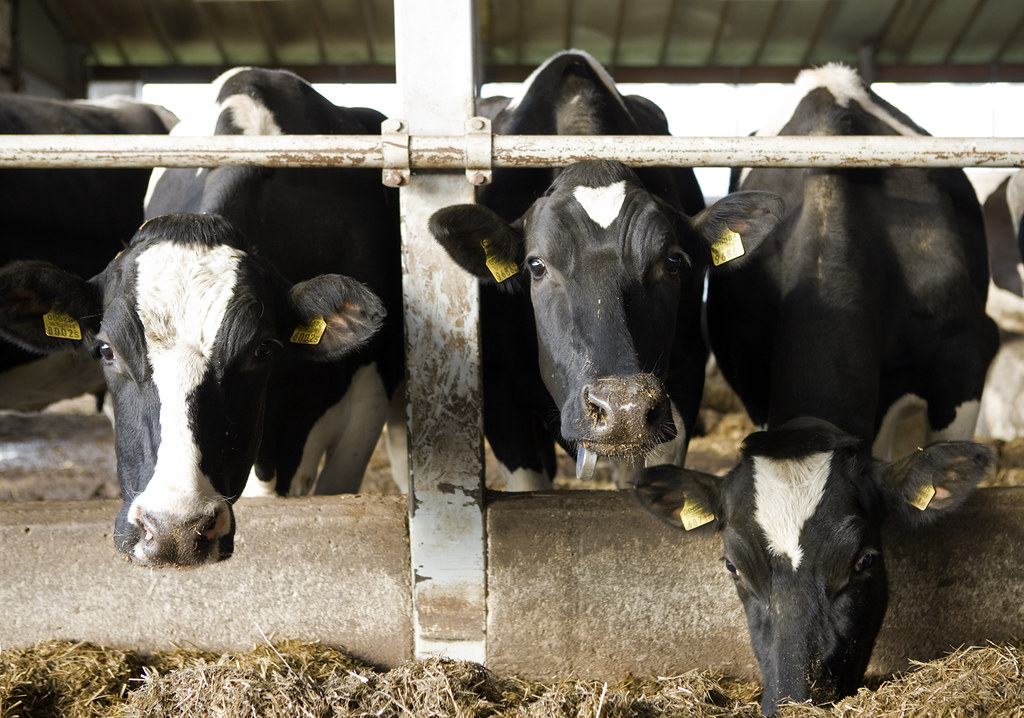
From meat-eater to committed vegan
How common is this kind of story? The flippant answer is ‘Not very, because not many people have chickens in their backyard’. The more serious answer is again ‘Not very’ – hardcore vegans add up to maybe one per cent of the population in Cyprus – but becoming increasingly common, especially in terms of eating healthy. Anastasia launched the Vegan Fam Festival on a whim in 2019, not expecting much. The first edition drew over 5,000 people (it’s now stabilised at around 4,000), and all the food vendors were completely sold out by 9pm.
“I think people are going a bit more whole-food, plant-based,” notes George Adamides, owner of Elysian Fusion Kitchen in Nicosia. Meat and fish (filled with metals from polluted seas) are increasingly viewed with suspicion. “If we see how many cancers, how many sicknesses… Though of course that’s not only from food, it’s from the lifestyle, from stress, it’s from mobile technology and WiFi and all of that.”
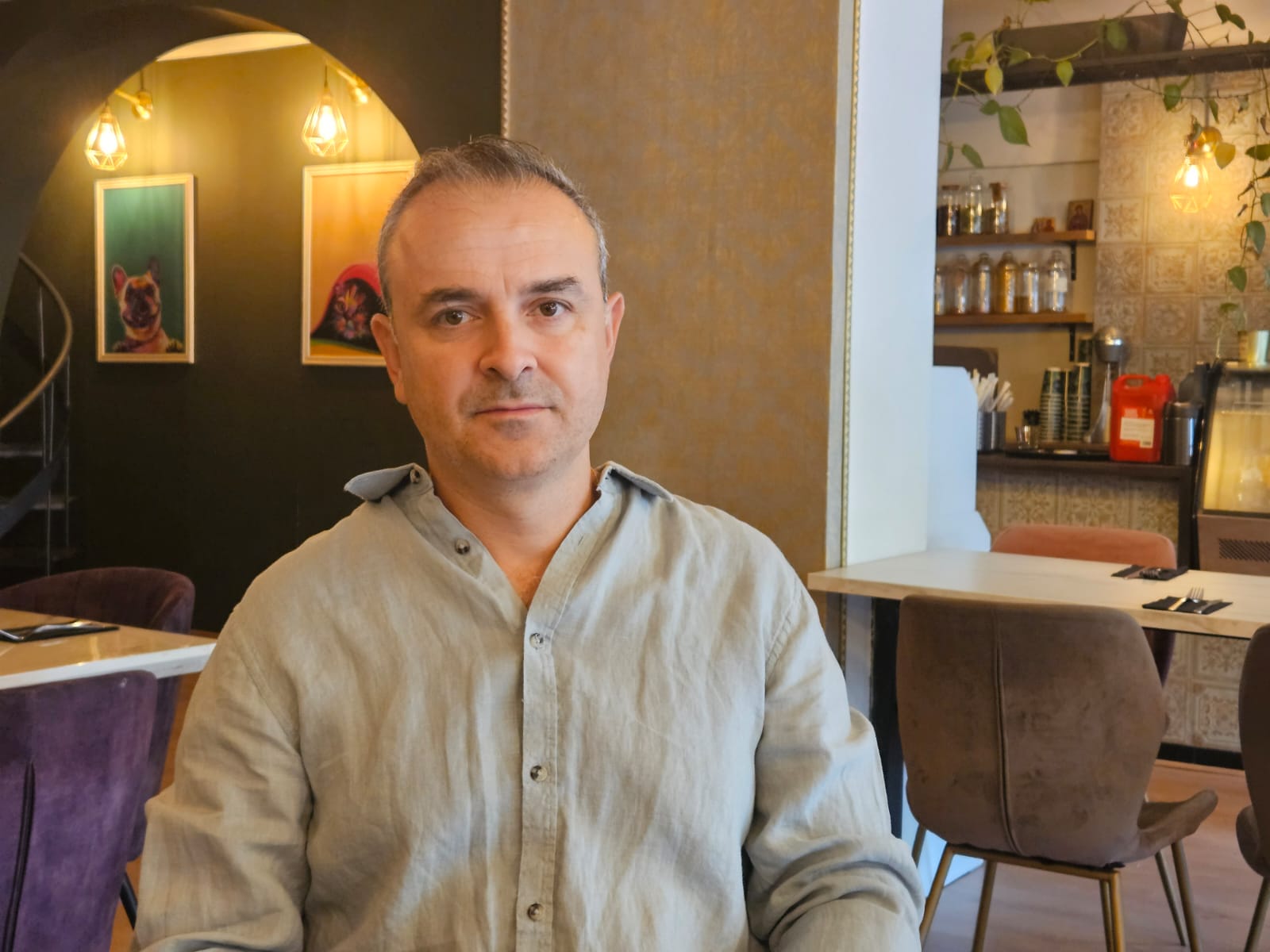
A plant-based tradition – and a changing diet
Cyprus is in fact uniquely well-placed for veganism – not just because we have cheap fruit and vegetables all the year round (try finding rocket for 40 cents in Berlin or Brussels) but also because of our culture, reinforced by religion. “If you do the Orthodox fast,” points out George, “you’re pretty much vegan for 200 days a year… So I think, as a culture, we’re used to eating like that.”
If he looks at his grandparents’ diet, “even 40 years ago, in my own lifetime, they were eating a lot of legumes, a lot of fruit. Meat was mainly on a Sunday, or at weddings… They would slaughter a pig once a year, share the whole animal with another household, do the sausages and lountza – and it was done by them,” meaning they could trust it. “Mainly, though, their diet was plant-based, with of course some goat’s milk and so on.”
George sighs, looking around at his empty restaurant. “Sadly – I don’t know how – in a matter of two generations, we’ve swung the pendulum to the other extreme. Because 50 years ago it wasn’t like that. Eating souvlaki was once a month, a special occasion. Now, people are eating souvlaki almost nightly”.
Why Nicosia’s first vegan restaurant closed
Elysian – the first fully vegan restaurant in Nicosia – closed down in July, after six years and any number of good reviews and satisfied customers. “On TripAdvisor we’re still No. 6, out of over 600 establishments,” he notes defiantly.
That said, he doesn’t take the closure to mean that no vegan restaurant can survive in Cyprus – and indeed there are others flying the flag, Garden Gourmet in Nicosia, Seashells (though it shuts in winter) at the St Raphael hotel in Limassol, Meraki in Paphos, not to mention non-vegan places with fine plant-based food. 7 St Georges in Paphos does “amazing food,” he raves, “carrots cooked with thyme and turmeric…” In Nicosia, Silver Pot and Seed of Happiness offer delicious raw vegan cakes.
As for Elysian, it was more a case of George doing everything (except the actual cooking) himself, and eventually growing tired – and also a case of the place being ambitious, meaning high overheads. Their hummus and mayo were made from scratch. “Our burgers, the main base was walnuts, organic oats, organic brown rice”, as opposed to the cheaper soya. “We never served any plastic… Our food packaging was sugar cane – and you’re talking five or six times the price.” The falafel burger was made from superfoods. Cakes were cashew-based.
Not all vegan restaurants are created equal – and the same goes for vegans. “Vegan isn’t healthy” in itself, notes Anastasia. It’s quite possible to be vegan and eat badly, if what you’re eating is processed food and lots of white sugar.
Veganism goes beyond what is on the plate
Therein lies a subtle distinction, lurking at the heart of any discussion of veganism. Simply put, not everyone does it for the food. Being vegan is a whole philosophy, including not just the obvious ethical (animal-rights) component, but political and even spiritual aspects. There’s a reason why George – who went “on a vegan path” a decade ago, but is “more of a flexitarian now” – deliberately left out the V-word when they launched in 2020, going for ‘plant-based’ instead.
“When we opened up the restaurant we tried to avoid the word ‘vegan’, because it links it a lot to activism,” he explains – and it’s true their overheads were high, but you have to wonder if prejudice also played a role in reducing profits.
“We’re not vegan but the food was amazing,” reads one Elysian review on TripAdvisor – but it was written, significantly, by a tourist. When it comes to locals, the picture is murkier. “I believe we were labelled as a vegan restaurant from the beginning,” admits George. “So a lot of Cypriots were like, ‘Eh, that place is for the vegans’.” Business picked up during fasting periods – but the thought of going out for a plant-based burger or mushroom gyros on a ‘normal’ night was still too exotic for most people.
Just how accepted is veganism? Getting better, for sure. “When we started, in 2014, we felt like we were from another planet,” laughs Anastasia. “All the family, all the grandmas and grandpas, were furious – what am I doing to the children, why am I doing this terrible thing, why won’t I let the children eat.”
That’s all water under the bridge now, especially with the kids having grown up so obviously healthy – and, though it’s true that vitamin B12 (the main sticking point) is found only in animal-derived foods, it’s easy enough to take a supplement. Everyone reports feeling better after going plant-based. “A lot more energy. Better sleep,” says George. 31-year-old Lambros (not his real name) says it solved his digestive issues. More energy, clearer skin – “but the biggest difference has been to my conscience,” says Anastasia. “Why should I be the cause of someone suffering in the world? Why should I cause such pain, just for those two seconds of eating something – which I can replace anyway?”
Lambros takes it further, focusing largely on the “ethical, political and ecological” aspects. George shied away from using ‘vegan’ in his marketing, thinking it too inflammatory – but Lambros finds the word, if anything, “quite gentrified” and inadequate. For him, veganism is really “anti-speciesism” – a denial and rejection of what he calls “human supremacy”, the offensive idea that the human species should be able to lord it over others.
In that sense, being vegan is a broader version of being opposed to colonialism or imperialism – and in fact, he says, the politics are even more expansive. There’s a link to environmentalism, in the harmful impact of cattle farms and animal-feed monocultures – and even a link to feminism in the process of milk production, the mother cow essentially raped, then having both her baby and her milk (which, like a human mother, she’s produced for feeding) taken away from her.
Some will say that’s the natural order, that humans have exploited animals for millennia – but not only is that argument rather unsavoury (especially with all the human exploitation we see in the world around us), it also ignores today’s industrial slaughter of animals which is unprecedented, a very long way from George’s grandparents killing a pig once a year for sausages and lountza.
“There’s literally a holocaust every single day,” says Lambros with feeling, the official tally (from the Food and Agriculture Organisation) being that 80 billion land animals are slaughtered for meat every year – not counting fish, which are so numerous they can only be tallied by weight.
Indeed, he adds with a touch of bitterness, “the more clearly you have in your mind what animals go through… the harder it is not to get triggered, or angry” when discussing the subject with well-meaning normies. These days, after many years of trying (so much social life in Cyprus revolves around food, after all), “nine out of 10 times I prefer not to sit down and eat if there are corpses on the table. I find other ways to bond with friends and family”.
Veganism runs a gamut, from Lambros’ fervent activism to the mainstream focus on the food at Elysian. In a way, it’s absurd to still be having these conversations – especially now, with world-class athletes like Novak Djokovic and Lewis Hamilton very publicly vegan, and supermarket shelves stacked with plant-based meat. (George singles out local company The Mighty Kitchen.) Asking if a restaurant has vegan options should be as much of a formality as asking if you can pay by card. Yet a certain suspicion lingers.
Anastasia tries to bridge the gap – mindful, perhaps, of her own conversion, and the fact that it began with a five-year-old’s instinctive compassion. She’s prepared a whole cookbook with vegan versions of Cypriot cuisine (her afelia are soya; the bechamel in pastitsio is with own-blended oat milk) – and of course there’s her Vegan Fam Festival every September, feeding crowds both vegan and (mostly) not.
“I hope people can become more open, more accepting of this situation, and not consider it extreme,” she opines mildly. “Because we’ve been raised in a world where killing animals so thoughtlessly is considered normal.
“That’s the extreme part,” she adds – “putting millions to death every day. That’s what’s extreme.” She has a point.



Click here to change your cookie preferences