
Difficult questions about the limits of human rights protections and freedom of expression and the right to name and shame
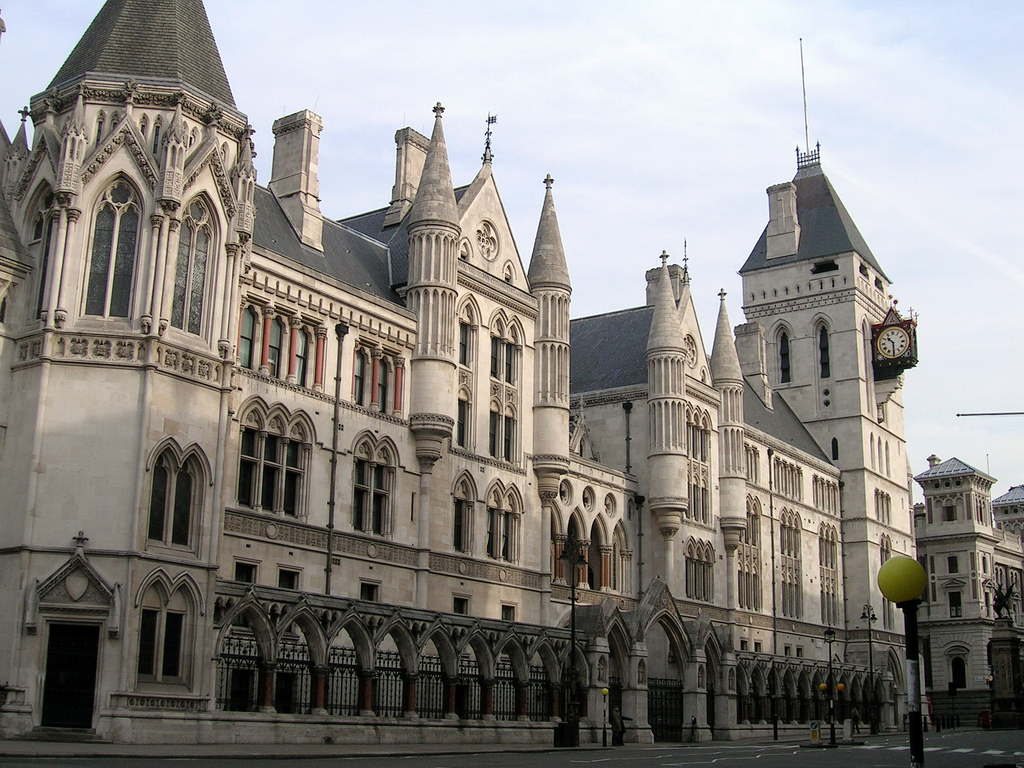
An unusual case came before the High Court in England last week of a well-known celebrity, code name PPT, who sought to stop publication by two media outlets of serious allegations against him on the ground their publication would cause him to take his own life.
His claim is based on human rights law that protects the right to life and the right not to be subjected to inhuman treatment as well as his right to respect for his private life.
The main thrust of his case is that publication would expose him to a real and immediate risk of serious harm or death by suicide, and he produced medical evidence to prove that his mental health had deteriorated and he attempted suicide on being notified that publication was imminent and has been suicidal ever since.
The respondents are the Guardian newspaper and Independent Television (ITV) and although they are not public authorities and not bound by human rights law directly, the High Court is a public authority and obliged to protect PPT’s life as a would-be victim of a violation of his right to life even if the threat to his life is by his own hand.
The Guardian’s and ITV’s defence is that as media outlets they are free to publish information in the exercise of their right of freedom of expression under European human rights law as well as English tradition and statute.
Under English statute law the court has to pay special attention to the importance of freedom of expression and the public interest in press freedom balanced against any relevant privacy code.
In the case of journalists, the Editors Code of Practice is the relevant code which contains relevant considerations editors had voluntarily agreed and which the court must take into account in striking a fair balance between privacy and freedom of the press.
PPT obtained a temporary injunction prohibiting his identification directly or indirectly and the hearing of his application to make the injunction permanent was heard on October 28, 2026, when the judge reserved judgment.
The application has attracted negative comment from journalists, but as there is a court order prohibiting anything that could directly or indirectly identify PPT, not much can be said about him other than that he is male; his claim to fame is that he is a celebrity; he is alleged to have conducted himself over a number of years in a way that is likely to cause him to take his life if made public; and that he broadly denies the allegations — it seems the nature of the application did not require him to deny each and every allegation separately.
All the above is taken from a preliminary judgment of October 9 in which the judge granted him the temporary injunction which was unopposed, but refused his application to prevent the identity of the Guardian and ITV to be disclosed as there was no clear and cogent evidence that it was strictly necessary for the media outlets’ identity to be withheld.
The right to life and the right not to be subjected to inhuman treatment are absolute rights and, in this context, usually arise where a person is suicidal while in police or immigration custody, or in prison or in a mental hospital, or is a member of the armed forces. Each of those public authorities has a duty of care to its charges to protect life and prevent self-harm and if there is a real and immediate risk of suicide it has a duty to mitigate the risk.
There have been several such cases from the European Court of Human Rights (ECtHR) of deaths custody in which states were held to have failed to prevent suicide, but none in which a person committed suicide following publication of his misdeeds by the media.
However there have been cases from UK courts where a person engaged in criminal or other serious misconduct and relied on the risk of his death by suicide to prevent publication of his identity that impinged on the right of the press to publish and the right of the public to receive information under the general right of freedom of expression.
In the case of D & F v Persons Unknown in 2021 the two applicants had been convicted of murder committed when they were children. They sought injunctions to protect their identities because disclosure would create a real and immediate risk of their murder or suicide. The High Court held that it made no difference if the risk to life arose from the applicants’ own actions or from third-party violence and granted the injunctions.
And yet human rights law was never intended to jettison fundamental principles going back to Roman law such as: “No one should be allowed to rely upon his own wrongdoing” and “No one ought to obtain an advantage from his own wrong.”
People are not entitled to engage in wrongdoing, often of an exploitative sexual nature, and expect to suppress publicity of their misdeeds by flagging suicide. It is in the public interest for the press to feel free to name and shame wrongdoers.
The court has to be satisfied that stopping lawful publication is necessary because the risk of suicide is genuine and highly likely to result in death and not a suicide of convenience to avoid being named and shamed.
Click here to change your cookie preferences