
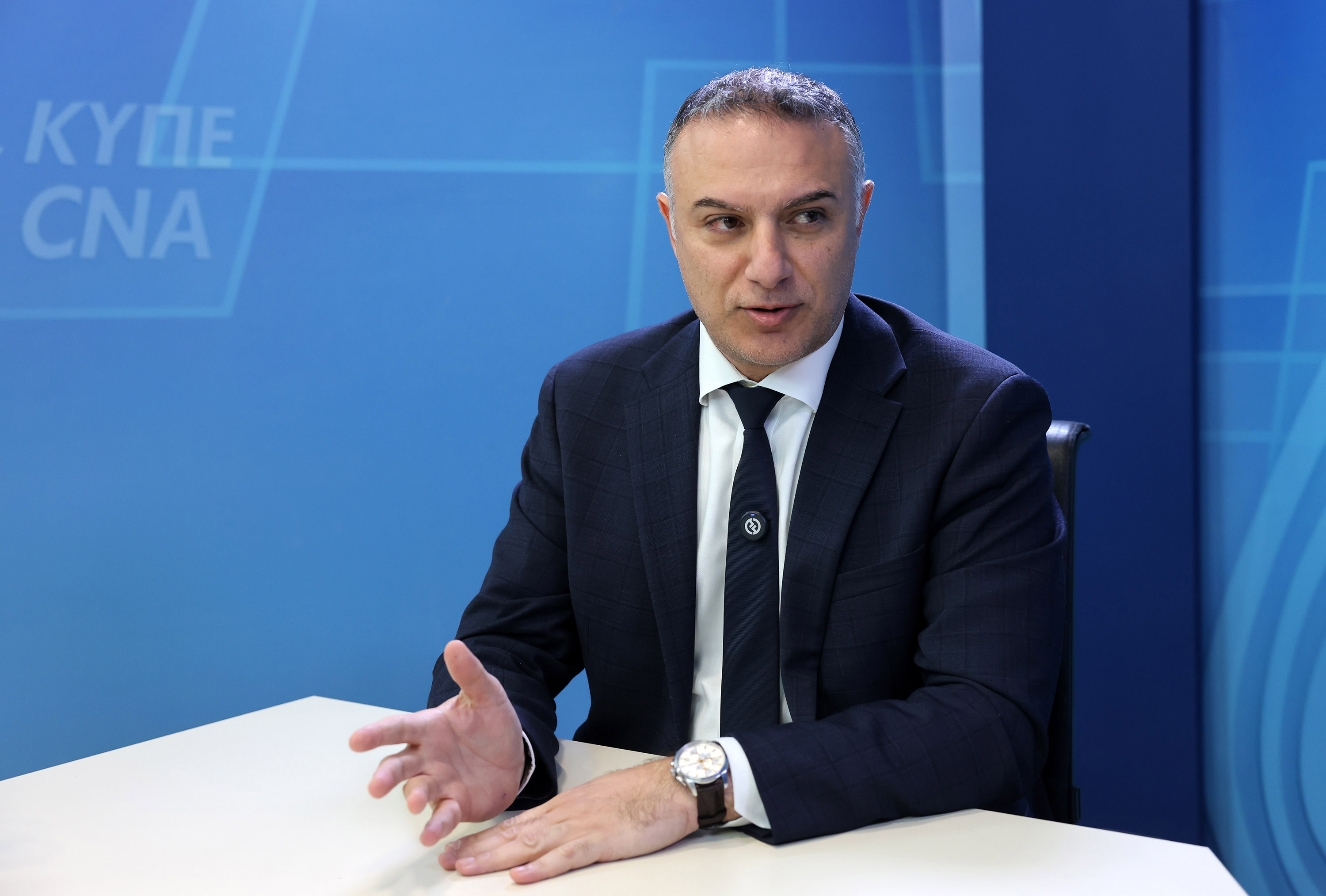
Cyprus is constructing four new permanent desalination plants with the aim of meeting all of its water needs from the sea, Agriculture Minister Christos Senekis said on Tuesday, heralding the programme as the “costliest investment in water security since the 1980s”.
Speaking to the Cyprus News Agency, Senekis announced that more than €200 million is being spent on the units.
Once such an endeavour is achieved, he said, water collected in reservoirs would be reserved for farmers, who would know the available quantities in advance and could plan according to each season.
Senekis said the scale of the investment was comparable with the construction of the Kouris Dam and the Southern Pipeline, with some 43 per cent of the ministry’s budget for next year earmarked for water infrastructure.
The ministry is also developing infrastructure to expand the use of reclaimed water, which Senekis called an important facet of the strategy.
A project to fit water-saving nozzles to household taps is due to be completed by the end of the month which Senekis said would deliver “significant savings at little cost”.
Farmers continue to feel the effects of last year’s drought, with Senekis having sent a documented request to the European Union securing €4.6 million to compensate for lost income, to be paid to producers over the next two months.
Israel’s state-owned water company Mekorot has been a central partner in Cyprus’ desalination drive since 2015, when the Water Development Department began working with it on plants at Limassol and Larnaca.
A Mekorot subsidiary opened the €50 million Limassol facility, designed to supply 40,000 cubic metres a day, rising to 60,000.
Together, the two plants were expected to cover about 40 per cent of the island’s water consumption.
Israeli firms likewise remain involved in the emergency programme, for a mobile unit on the Garyllis river in Limassol, with a capacity of 10,000 cubic metres a day, is being built by an Israeli-owned contractor and has yet to come online, with equipment for such project being held up by the war in the Middle East.


Click here to change your cookie preferences