
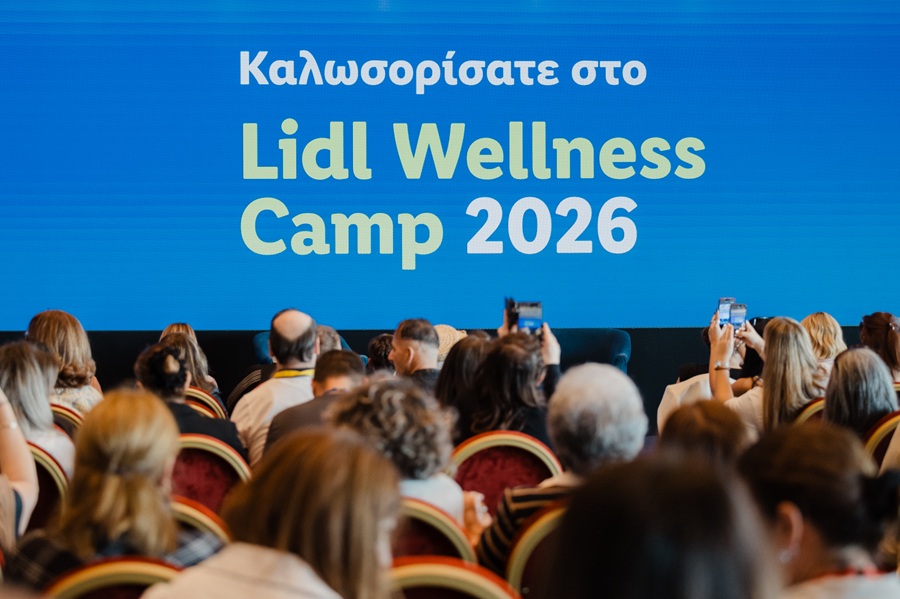
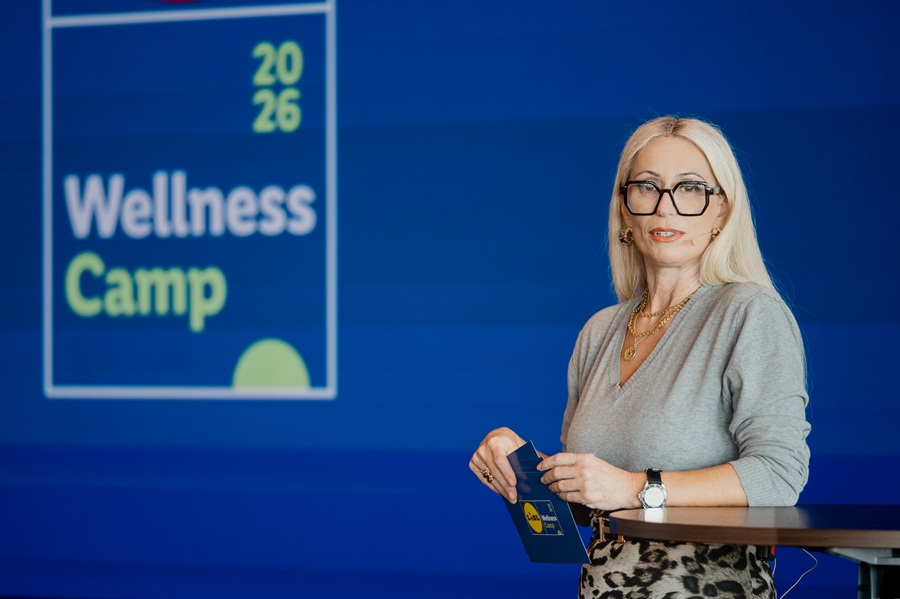
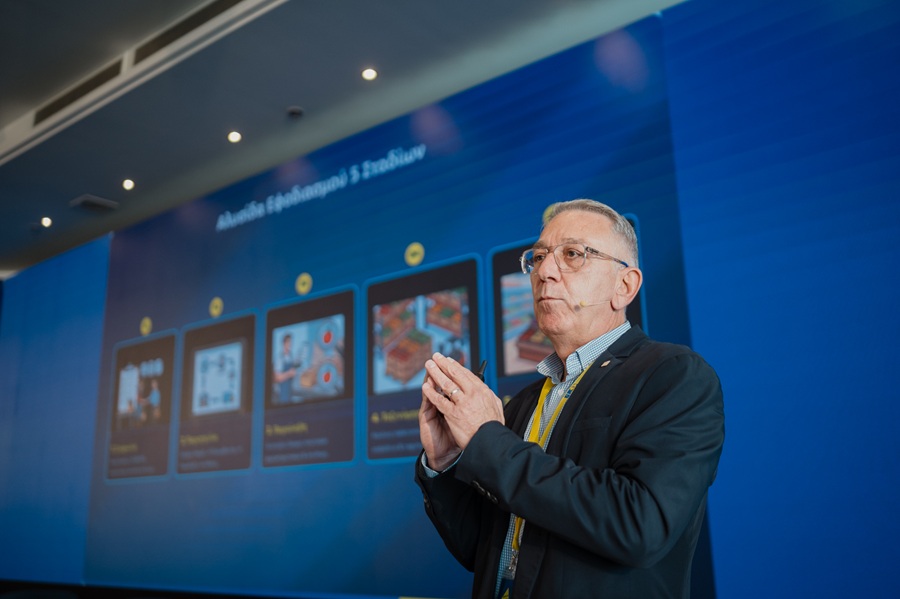
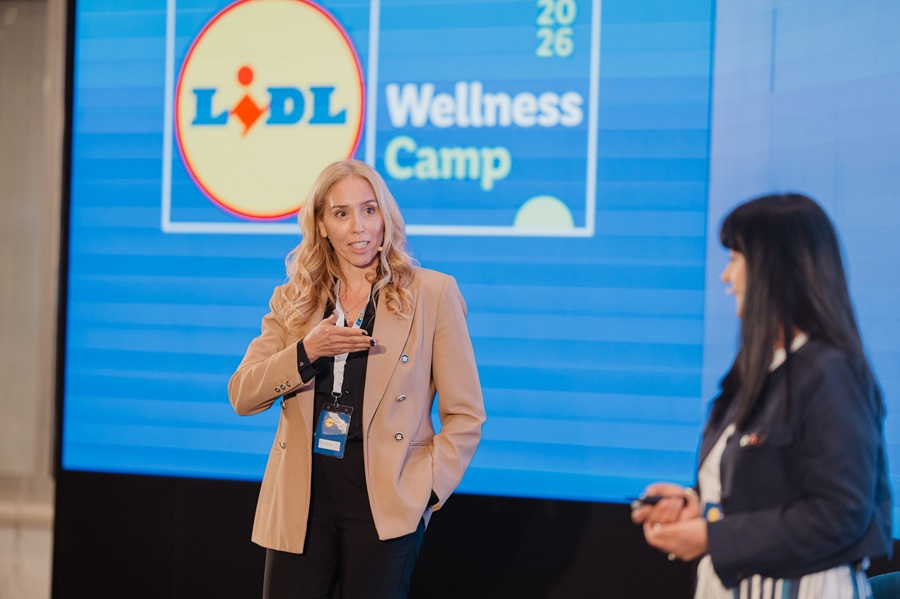
When I asked Vasiliki Adamidou how Lidl’s Wellness Camp had evolved over seven years, part of the answer was right in front of me; the room was full, people were paying attention and, I must admit, I had not quite expected such enthusiasm for an event devoted to wellbeing.
“We had more than 5,400 applications this year,” Adamidou, Lidl Cyprus’ Head of Corporate Affairs and Sustainability, told me during a brief interview at the beginning of the event. Around 300 people ultimately attended the two-day camp, which is quite a transformation for an initiative that began in 2020, during the pandemic, as a one-day online event about nutrition.
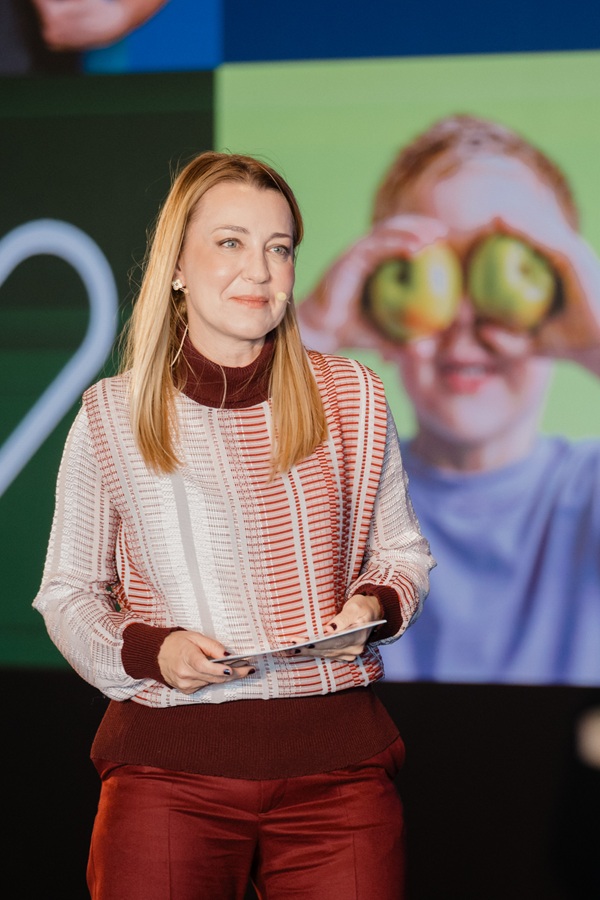
“We realised along the way that it is about much more than good nutrition,” she explained. “It is about exercise, how we feel, how we socialise and how we deal with the issues of everyday life.”
The original idea, she told me, had been to connect the quality of the food Lidl sells with people’s quality of life, but as the initiative developed, the organisers realised that wellbeing was a rather more complicated business than simply deciding what to put on our plates.
But what about families struggling with the cost of groceries? Surely, eating well must also mean being able to afford to do so.
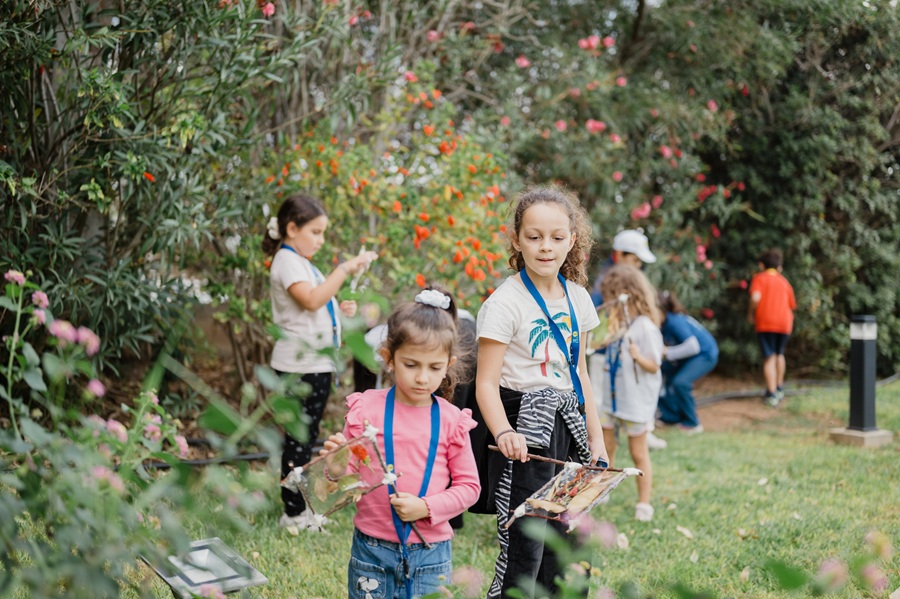
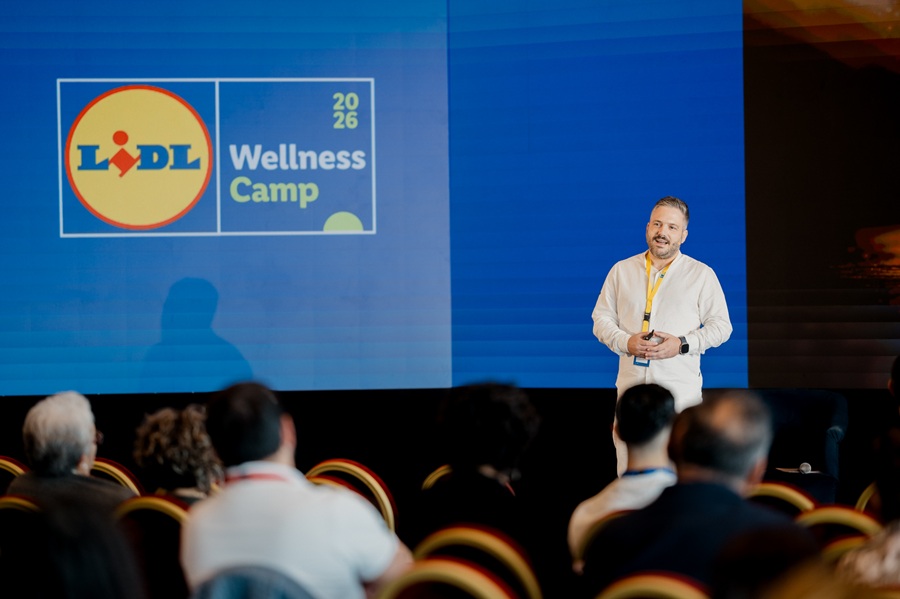
“We are a democratic brand,” she replied. “What that means is that we want quality nutrition and a better way of life to be accessible to everyone, and not just a privilege for the few.”
She explained that Lidl’s business model was designed to offer quality products at competitive prices.
As it turned out, the weekend of November 7 and 8 at the St Raphael Resort & Marina in Limassol had more to offer than advice on what we should or should not be eating.
The courage to be vulnerable
One of Saturday’s most memorable moments came from eight-time Paralympic medallist Karolina Pelendritou, a woman we have come to know through her extraordinary swimming career, although, as is so often the case with successful people, we tend to see the achievements without giving much thought to what has gone into them.
Speaking about perseverance, Pelendritou described losing her sight progressively while growing up and the difficulties she faced at school, before turning to a far more recent and deeply personal experience.
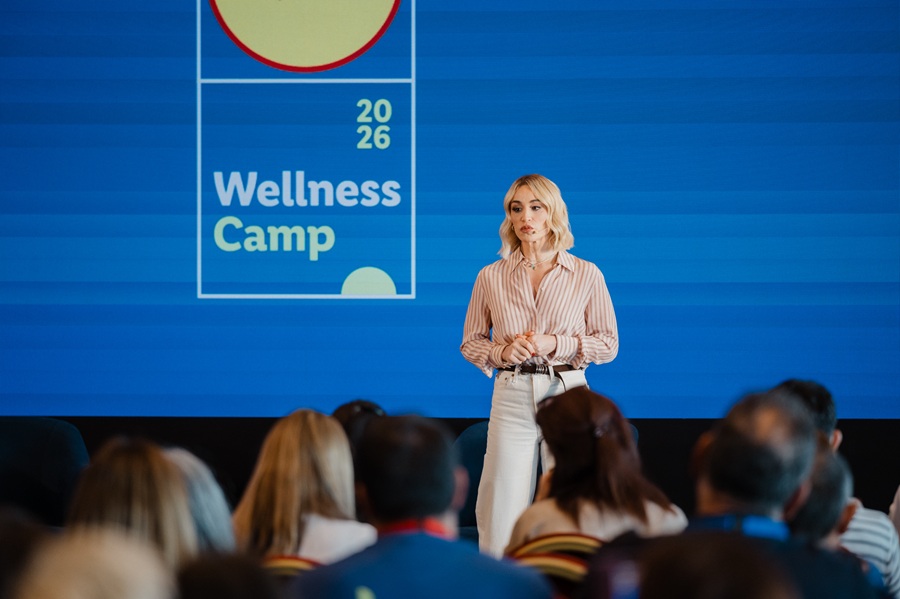
“I went through depression,” she told the audience, explaining that 2024 and 2025 had been exceptionally difficult years.
For someone who had spent much of her life overcoming obstacles, admitting that she needed professional help was itself a challenge; she had associated asking for help with weakness, an attitude that is not only confined to elite athletes.
At one point, she paused to compose herself. Here was a woman celebrated for her strength, speaking openly about a period when that strength, at least as she had always understood it, had not been enough.
She described eventually seeking professional support shortly before a world championship, where she went on to win two silver medals. Yet listening to her, the medals seemed almost beside the point.
“The greatest success for me today is not only what I went through. It is also that I am here sharing it with you,” she said.
I thought about that afterwards, particularly how reluctant we can be to admit that we are not coping, even when there is every reason to ask for help. Perhaps it takes someone like Pelendritou, whose determination has never really been in question, to make that admission sound as natural as it ought to be.
Two minutes with our own thoughts
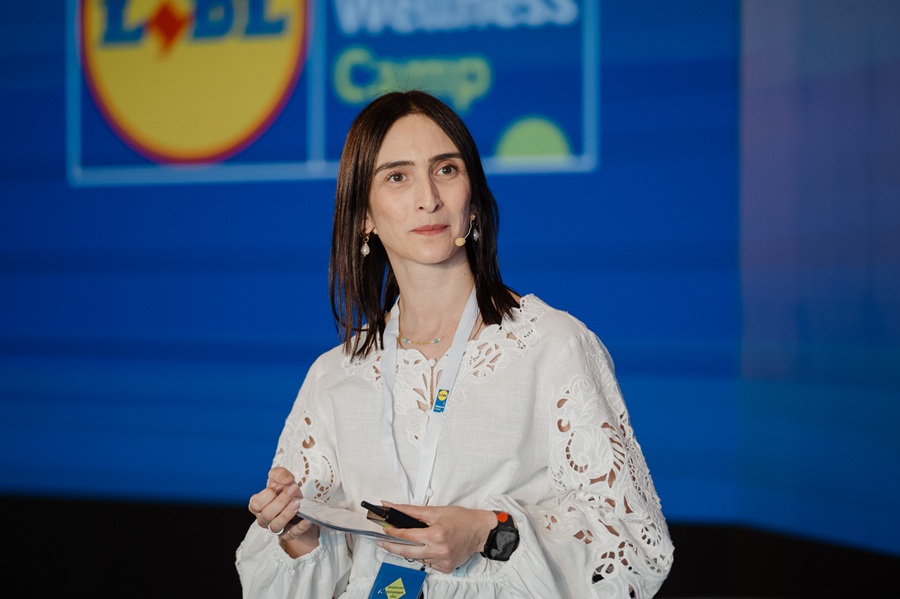
Psychologist Chara Demetriou followed with an exercise that sounded almost too simple; she asked us to spend two minutes concentrating on our breathing, without any distractions, and then wanted to know how many of us had found our minds wandering. Quite a few hands went up.
Had we started thinking about work or the things we needed to do later? Had we even caught ourselves wondering whether we were doing the exercise correctly? It is rather extraordinary how difficult doing absolutely nothing for two minutes can turn out to be.
The point, Demetriou explained, was not to stop thinking, which would be a fairly ambitious undertaking, but to notice where our thoughts had gone and gently bring our attention back to the present.
Her discussion of the “wise mind”, finding a balance between emotion and logic rather than allowing either to take over, was equally relevant to ordinary life. She spoke about the irritating email we are tempted to answer immediately, something I imagine most of us have experienced, and how a little distance from our initial reaction might save us considerable trouble later.
What I liked about her approach was that it did not demand some dramatic change in personality. The suggestion was simply to become more conscious of how we react, which sounds reasonable enough until you try putting it into practice.
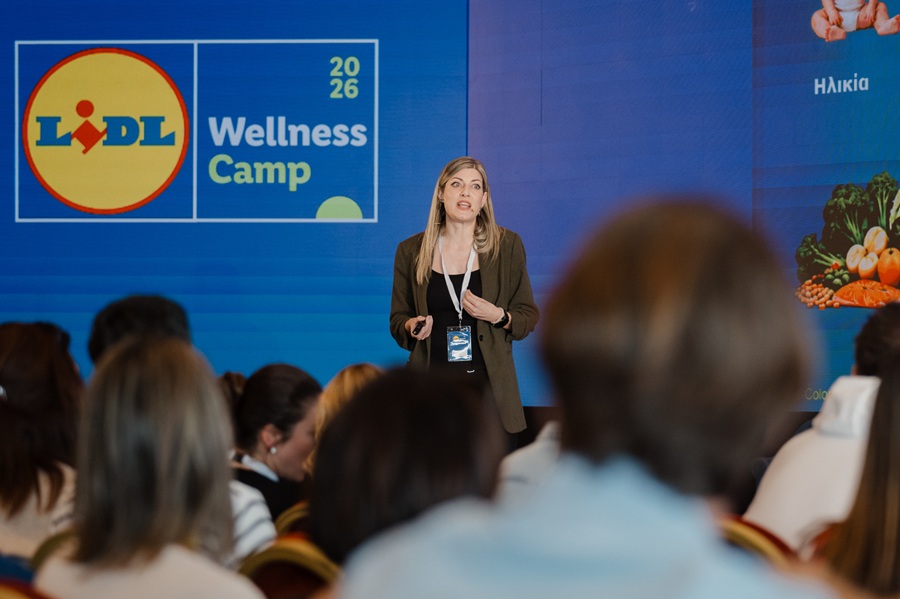
Then came biologist Myrtani Pieri, who took us into the fascinating, and occasionally rather amusing, world of the gut microbiome.
“We are what we eat,” she began, before offering a different perspective: we are also what our microbes eat.
Her presentation explored the relationship between the microorganisms living inside us and our health, including some intriguing research into their possible influence on behaviour. Pieri was careful, however, to distinguish findings from animal studies from what scientists have actually established in humans, something worth bearing in mind when so many claims about gut health are presented as settled science.
It was an entertaining presentation and a memorable one, Pieri found a way of making a complicated area of research accessible without talking down to her audience.
A different Sunday morning
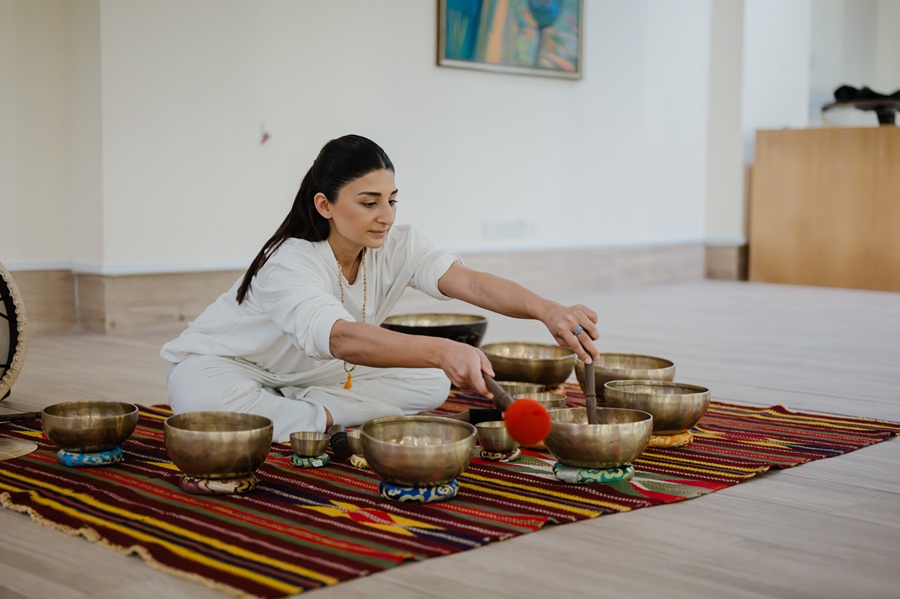
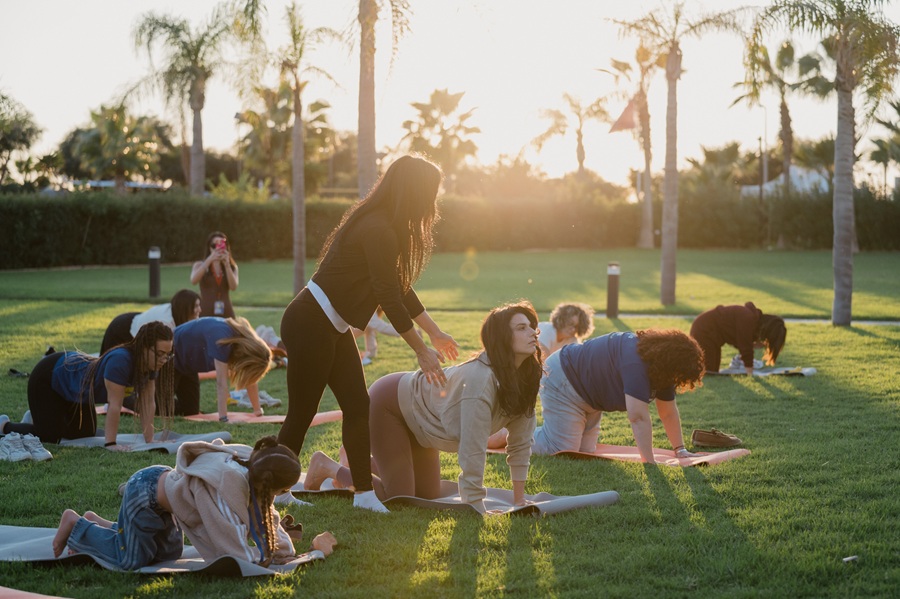
Sunday began with a 7.30am yoga session with Kristi Louca, which, depending on your relationship with early mornings, might count as a small achievement in itself – it was for me! Nevertheless, after spending much of Saturday listening to experts explain why we ought to slow down and take better care of ourselves, it seemed only right to begin the second day actually doing something about it.
The morning’s discussions then took us in a slightly different direction, exploring the relationship between culture and wellbeing, something we perhaps do not consider often enough when talking about health.
A panel organised by the Cyprus National Commission for UNESCO examined how participation in cultural life can support mental health and give people a sense of belonging. I found the discussion interesting because it moved away from the usual emphasis on individual responsibility and towards the things we experience with other people, which can be just as important to how we feel.
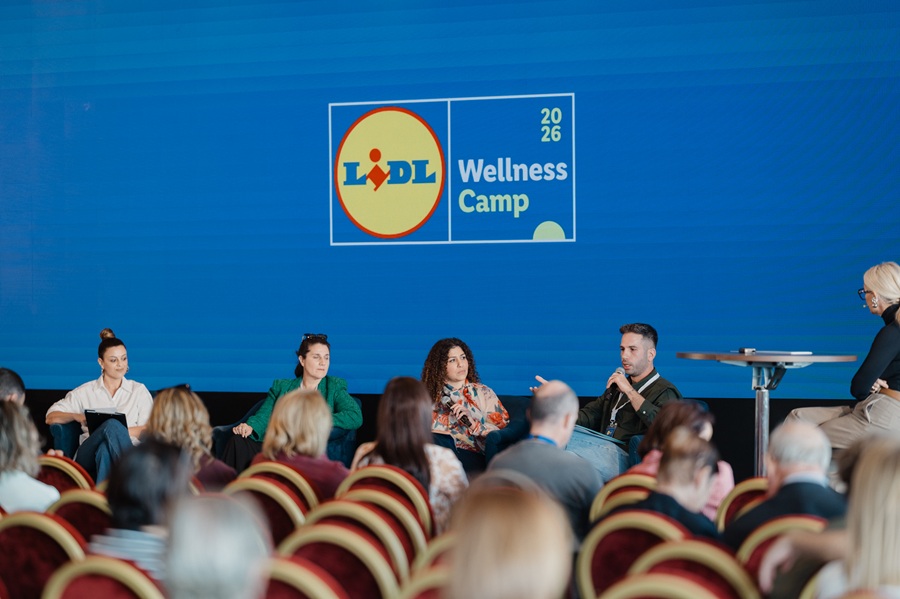
That sense of human connection also emerged during the Cyprus Anti-Cancer Society’s panel, Wellbeing Is Built Together: The Power of Human Connection. I was particularly touched by volunteer Eleni Masonidou, who spoke about what it meant to her as a mother to support families who had lost loved ones to cancer. Having seen the psychological toll the disease can take, I found her contribution especially moving; there is something about people who willingly make themselves available to others during such difficult times that stays with you.
I am not sure two days at a wellness camp can change anyone’s life, nor should we expect them to. But I did leave with a few things to think about, and perhaps that is enough. After all, most of us know perfectly well that we ought to take better care of ourselves; finding a way to do so amid the realities of everyday life is quite another matter.


Click here to change your cookie preferences