
The overriding – and wrong – priority is to use fiscal policy to produce and record large government surpluses
The presentation, contents and parliamentary discussion on the government budgets of Cyprus mask economic reality in that they fall well short in focusing on and addressing the underlying real economic problems, including the failure to invest in sufficient energy infrastructure and the struggles of households in coping with the affordability crisis.
Government budgets constitute a primary instrument in formulating and implementing a country’s economic and financial policies. Indeed, the contents of budgets reflect the priorities of the government on resource allocation, economic stabilisation, income and wealth distribution, and debt and fiscal sustainability.
Focus on large government surpluses
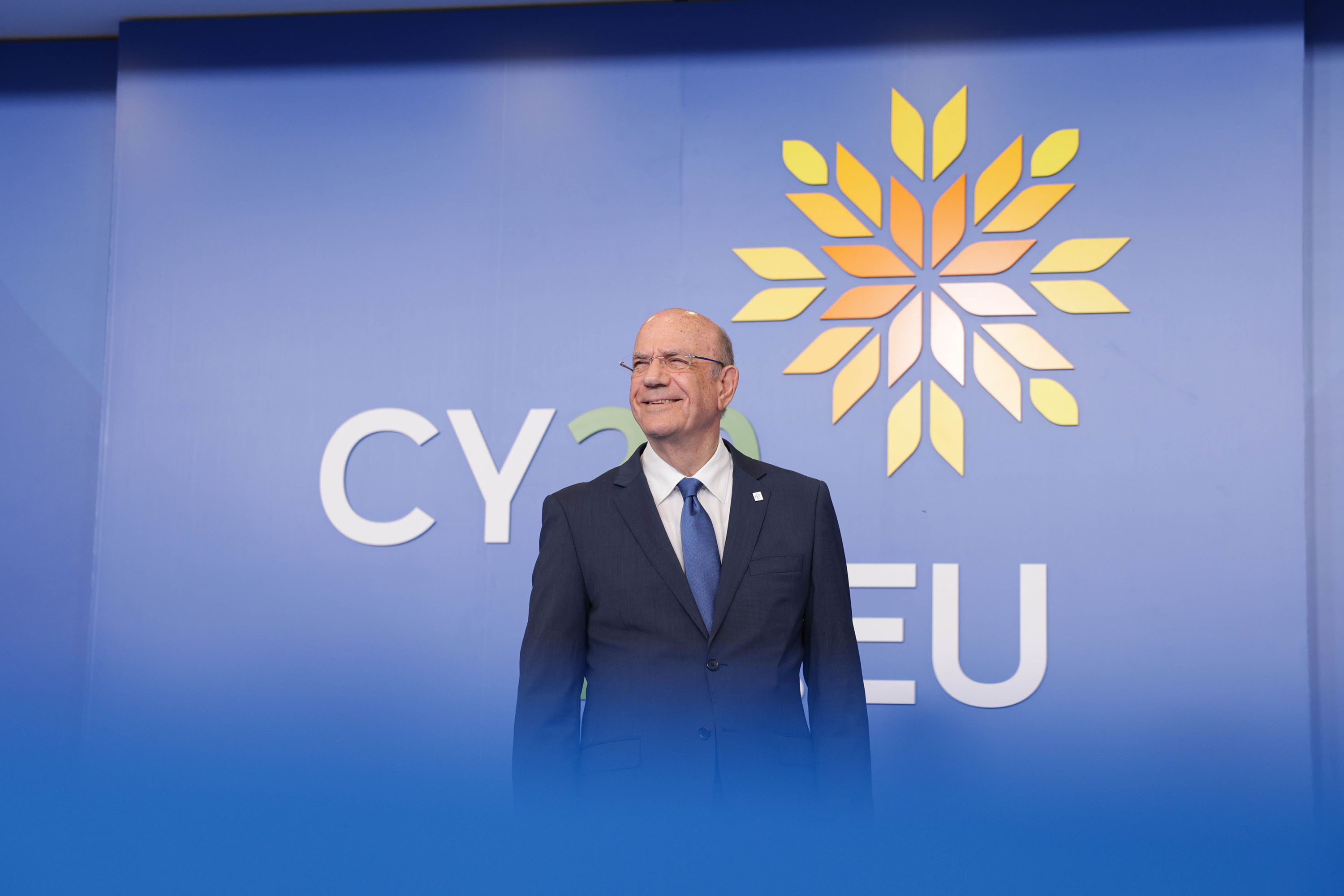
In presenting recent government budgets Finance Minister Makis Keravnos indicated that the overriding priority was to use fiscal policy to produce and record large government surpluses, emphasising debt and fiscal stability, rather than utilising budgets as a key instrument for supporting the economy and serving residents with quality resource allocation and more equitable income distribution.
Most notably, in presenting the government budgets for 2027 to 2029 to the House of Representatives Keravnos highlighted initially that it was the “third consecutive year in which budgets featured fiscal surpluses”.
But, the generation of sizable budget surpluses is unnecessary at this time owing to the government’s ample fiscal space exhibited by a declining public debt to GDP ratio of less than 50 per cent and government bank deposits or reserves of over €6 billion or 15 per cent of GDP.
In truth, and despite plentiful fiscal space, the finance ministry is acting as though Cyprus is still under the MoU of the 2013 ‘Troika’ and continues to impose fiscal austerity.
By taking money out of the economy with surpluses at a time when the private sector is being weighed down by surging prices and costs, the government is constraining the potential for economic growth and hurting the wellbeing of households.
Undeniably, the surplus funds should be used to meet essential needs such as investing in energy and water infrastructure and in providing adequate income support to deserving social beneficiaries.
Furthermore, with the achievement of debt and fiscal stability there is the question of how related government credit upgrades are currently helping households cope with rising consumer and house prices.
Budget expenditure
A reading of the budgets for 2027 to 2029 indicate that they are mostly a mechanical updating of previous budgets with little adaptation in addressing changes in the infrastructure problems facing the economy and in the ability of many households to deal sustainably with the affordability crisis.
The affordability crisis reflects the mismatch between soaring prices – particularly for energy, food and housing – and the relatively low income of households.
On the supply side the budgets are deficient in presenting strategic policies aimed at ensuring the affordable and adequate supply of energy over the medium to longer-term.
Indeed, little expenditure is being devoted to upgrading and expanding the energy infrastructure to enable the increased production, storage and efficient distribution of renewable energies, that can contribute as well to the goal of combatting climate change.
In fact, government capital expenditure, which includes mainly roadbuilding and maintenance projects awarded to favoured contractors, is budgeted to rise by only 1.5 per cent over the two years 2026 to 2028 to reach €1.28 billion or a low 3.0 per cent of GDP. Notably, the funds earmarked for the energy, trade and industry ministry are cut severely by 50 per cent to a pitiful €60.7 million by 2029.
And on addressing the housing crisis, it is satisfying that the government has stepped-up its allocation of funds for state housing programmes, with €32.5 million budgeted for 2027. However, the low rate of implementation in social housing construction is a key concern as property developers with the government’s implicit backing, including in the cavalier issue of building permits, are monopolising resources in the building of “up-market” properties.
On the demand side, the purchasing power of many households needs to be raised so that they can afford the products and housing required to eke out and sustain a decent standard of living and not be at risk of poverty. However, despite prices now rising faster than incomes, government expenditures for dealing this issue are inadequate with very modest increases in personnel incomes and social benefits budgeted.
Notably, despite promises to raise low pensions substantially with the proposed social security reform, social benefits are budgeted to increase by just 3.1 per cent or €71 million in 2027 and even decline by 1.6 per cent in 2028.
And importantly, to sustain increases in incomes over the longer-term there will need to be commensurate rises in the economy’s productivity. This in turn will require the government to allocate more resources in measures and incentives to boost innovation, entrepreneurship, use of digital technology, and worker skills in both the private and government sectors. However, in this connection it is disappointing that funds earmarked for the research, innovation and digitalisation deputy ministry have been reduced by 13 per cent to €150.2 million in 2027 and are projected to remain modest in the following two years.
Besides, it is highly probable that the introduction of automation and digital technologies using Artificial Intelligence in the work processes could cause many lesser-skilled workers to be displaced. And this likelihood would call for a strong safety net so that workers who lose their jobs can receive swift assistance that helps them retrain and reenter the labour market. Accordingly, it is questionable whether the government has allocated sufficient funds for such retraining.
Taxation
The allocation of resources in the economy and the tax burden on households is influenced importantly by how government expenditures are financed by taxation policies.
Unfortunately, for lower income households the taxation system of Cyprus has become increasingly regressive with greater reliance on indirect taxes like the VAT to raise revenue. And recent studies by the Central Bank of Cyprus and the Fiscal Council have shown that high income groups have benefitted disproportionately from the 2025 tax reform.
In addition, the budget estimates indicate that revenue derived from indirect taxes will increase more than three times as fast as receipts from direct taxes over the three years 2026 to 2029. Also, the revenue projections show that tax receipts from employees would rise by 6.2 per cent to €1.26 billion over the period 2026 to 2029, while personal income taxes from self-employed persons would fall by 2.5 per cent to €80 million over these three years.
Also, with the self-employed projected to pay on average approximately €1,500 in personal income taxes in 2026 compared, strikingly, with a much higher average of €2,500 for employees, and taxes projected to be paid in future years by self-employed persons declining, the policy promise of the government to “not tolerate tax evasion” looks rather empty.
In truth, the budgets reveal profoundly that the government is continuing with its regressive tax policies that are exacerbating the festering problem of widening income and wealth inequalities and contributing increasingly to many households struggling in being unable to afford basic needs.
Parliamentary discussion
MPs in their discussion of and deciding on whether to approve proposed government budgets have traditionally taken a “sliced-salami” approach in examining and making “item by item” amendments to the budget.
Most MPs accept the basic parameters of proposed budgets as laid out by the finance ministry, especially on the need to target sizable budget surpluses, with little consideration given to the important impact of the overall fiscal stance and the composition of budgeted expenditure and taxation on the macro economy and on income and wealth disparities.
Thus, it would be preferable if MPs in assessing the proposed government budget for 2027 should look at the budget as a whole. They should ascertain whether a large budget surplus is appropriate in meeting the current and future needs of the economy and whether the expenditure and tax composition of the budget addresses adequately the needs of households in dealing sustainably with the affordability crisis and the related widening of income and wealth inequalities.
Recommendations
If their assessment of the government budgets is in line with the above analysis, MPs should call for substantial revisions in the 2027 budget, initially recommending that the targeting of a large fiscal surplus is quite unnecessary and destabilising for the private sector economy.
And thereafter, the following recommendations should be made:
- surplus funds to be invested in enhancing the economy’s productivity and basic infrastructure, particularly for ensuring affordable and adequate energy and water supply;
- allocation of more funds to support deserving and vulnerable persons, including laid-off workers, to reduce poverty and underpin the transition of Cyprus to a more digitalised and productive economy; and
- revenue estimates in the budgets should be adjusted in accord with the tax policy and administration reforms required to narrow income and wealth inequalities, including the taking of serious action to weed out prolific tax evasion.
Finally, these recommended changes should be accompanied by concrete measures aimed at significantly improving the government’s institutional competence and integrity through, among other things, the employment of capable personnel, so that investment projects can be incorruptly and effectively implemented and deserving social beneficiaries efficiently targeted.





Click here to change your cookie preferences