
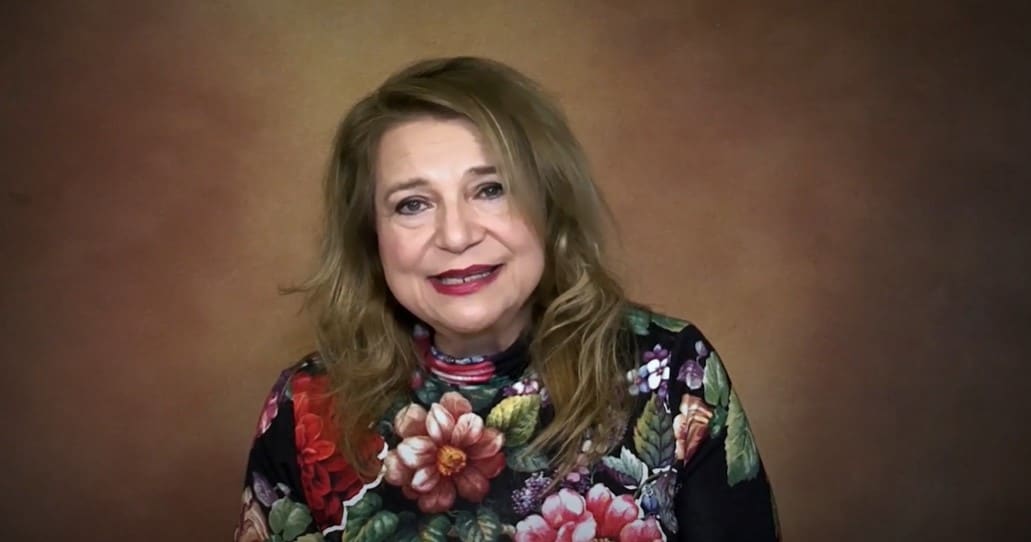
Cypriot novelist Eva Koursoumba was on Tuesday shortlisted for the Commonwealth Short Story Prize 2023.
Her story, The Fisherwoman, was selected along with 27 other stories written by people from 19 different countries across the Commonwealth.
Koursoumba’s story focuses on a woman who lived her entire life as a misfit in a small town on a Greek island.
“The main character of my story suffered from several mental health problems and still managed to raise a child, who went to university and became a successful psychiatrist in Athens,” the author said.
“I also chose to submit the story in Greek because I wanted to honour my mother language, but at the same time I realised it hinders my goal to communicate with as many readers as possible around the globe,” she added.
She had a baby out of wedlock and faced shame, ridicule and pain before deciding to turn to fishing to earn a living only to stand out again as the only fisherwoman at the pier.
For years she was despised by almost everyone in her community, but was eventually saved by the kindness of strangers.
Koursoumba was born in Cyprus, and earned degrees the University of Westminster in London and from the University of Southern California in Los Angeles.
Over the years, she has worked in the Cyprus television industry as well as in advertising and in communications.
The stories on the 2023 shortlist were selected from a total of 6,642 entries from 56 Commonwealth countries including, for the first time, Togo and Gabon – the newest members of the Commonwealth.
The overall prize will be announced on June 27.
The entries tackle subjects from illness, human trafficking and decay, to relationships and hope, as well as family secrets, growing up gay in a hostile world, generation gaps, bittersweet friendships, and making one’s way in the world of work.
They span genres from speculative and comic fiction to historical fiction and crime.
In addition to English, entries could be submitted in Bengali, Chinese, Creole, French, Greek, Malay, Portuguese, Samoan, Swahili, Tamil, and Turkish.
“I believe publishing houses should look for more authors writing in languages other than English to present them to audiences internationally,” Koursoumba said.



Click here to change your cookie preferences