
Don’t diet, build strength for a better summer body
By Dina Gavarieva
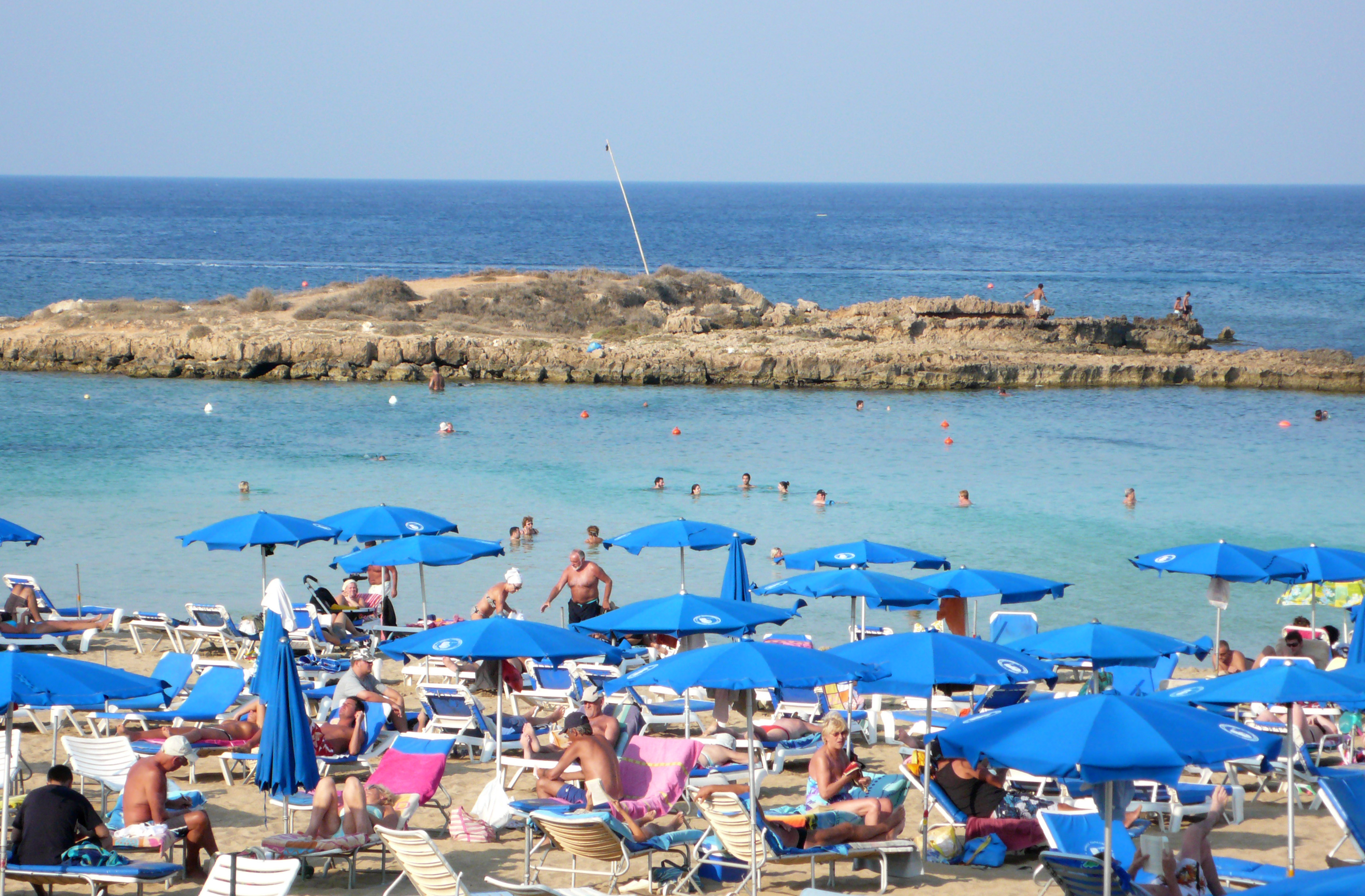
With spring bringing warmer days and summer just around the corner, many of us are beginning to think about getting ‘beach ready.’ It’s a thought that can stir up all sorts of feelings, especially for those who have lived a little, laughed a lot, and perhaps enjoyed one too many leisurely lunches over the winter.
But being beach ready shouldn’t be about shrinking ourselves or chasing a number on the scales – the focus ought to be on muscle tone and strength.
After the age of 30, we begin to lose muscle mass gradually, and this process accelerates with each passing decade. This natural decline, known as sarcopenia, affects not only how we look but how we function.
Muscle is not simply aesthetic. It is metabolically active tissue that plays a vital role in blood sugar regulation, hormone balance, bone health and overall vitality.
One of the most important foundations for maintaining muscle is adequate protein intake. And this is where many people get caught out.
A common misconception is that 100g of meat equals 100g of protein. In reality, 100g of meat provides roughly 25g to 30g of actual protein. The rest is water and fat.
As we age, we require sufficient high-quality protein to support muscle repair and regeneration. Children need protein because they are growing; adults need it because they are constantly repairing and rebuilding tissues.
Whether protein comes from fish, chicken and eggs or from lentils, chickpeas, tofu and other plant sources, the body ultimately breaks it down into amino acids.
A well-planned vegan diet can absolutely provide enough protein, but it requires attention to variety and total intake. Many people, especially those eating lightly in the heat, simply don’t consume enough.
Yet eating protein is only part of the story. We must also be able to digest and absorb it. Stomach acid plays a crucial role in breaking protein down into usable components.
As we get older, stomach acid production can decline, particularly if we are stressed or regularly relying on antacids. Symptoms such as bloating, heaviness or reflux may indicate digestive problems.
Thankfully, simple habits can make a real difference: chewing thoroughly; eating in a calm environment; and avoiding large amounts of fluid with meals.
Of course, protein alone does not build muscle. Muscles respond to stimulus.
While long walks are wonderful for the heart and the mind, they do little to preserve muscle mass. For that, we need resistance.
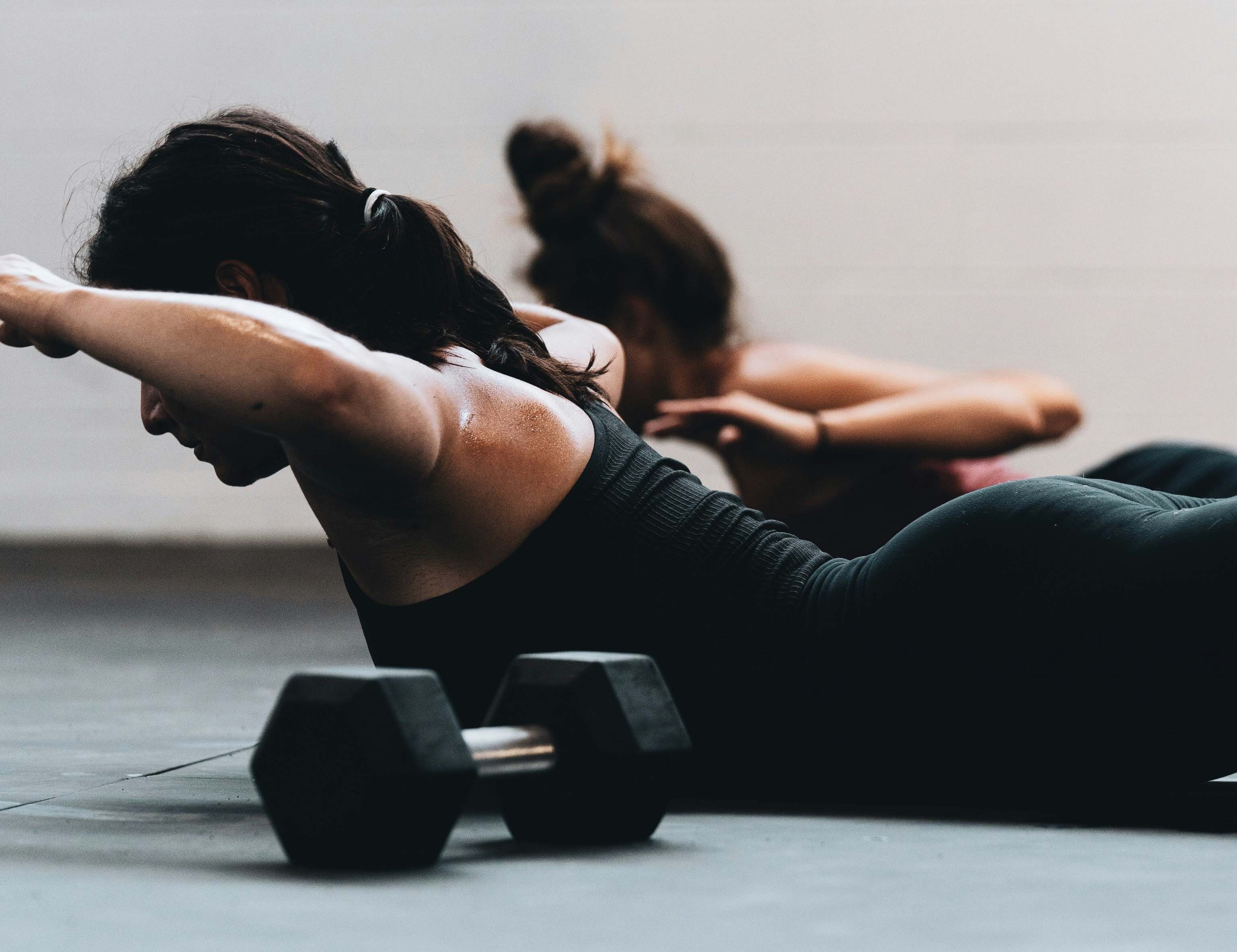
Strength training becomes increasingly important in midlife and beyond. This doesn’t necessarily mean lifting heavy barbells in the gym. It can be bodyweight exercises at home using resistance bands, or Pilates with light dumbbells, or functional movements that challenge the major muscle groups.
As ever, warm-ups are essential, particularly for joints that may feel less forgiving than they once did. A few minutes of gentle activation prepares the muscles, improves circulation and reduces injury risk.
As we don’t actually build muscle during exercise, but afterwards, being able to rest also plays an essential role in getting beach ready.
Sleep is when growth hormones are released and tissues repair. Chronic sleep deprivation accelerates muscle loss and disrupts metabolic health.
Stress has a similar effect. Elevated cortisol, the body’s primary stress hormone, promotes muscle breakdown when persistently high. The more stressed we are, the faster we age on a cellular level.
There is also growing research around certain supplements that may support muscle maintenance as we age.
Creatine, once associated solely with bodybuilders, now has substantial evidence supporting its role in preserving strength, supporting cognitive function and promoting healthy ageing.
Essential amino acids help stimulate muscle protein synthesis, particularly when appetite is reduced, and peptides such as Ipamorelin can support growth hormone pathways, though these should only ever be considered under proper medical supervision.
Supplements are not magical solutions, but in some cases, they can provide additional support.
Looking after the body more broadly also plays a role in muscle tone and vitality.
Posture matters more than we realise. When we slump, certain muscles effectively switch off, while others tighten and compensate.
Proper breathing ensures oxygen delivery to tissues and supports mitochondrial function – those tiny energy-producing structures inside our cells. The stronger and more active our muscles, the more mitochondria we have generating energy.
As important as structured exercise, movement throughout the day is a must. Long hours sitting behind a desk or in front of the television, signal the body to conserve rather than build.
Gentle stretching, small walks, household tasks and gardening all contribute to muscular engagement.
Sweating, whether through exercise, sauna or simply moving under the beautiful Cyprus sun, supports circulation and detoxification. Contrast showers stimulate blood flow. And massage, even brief self-massage in the morning, encourages tissue health and body awareness.
Hormones also deserve attention. Thyroid function, testosterone levels in both men and women, oestrogen balance and growth hormones all influence muscle mass and distribution.
If someone is doing “all the right things” but still experiencing rapid muscle loss or fatigue, it may be worth discussing hormone testing with a qualified practitioner. Adjustments, when clinically appropriate, can make a profound difference in how a person feels and functions.
Ultimately, being beach ready has nothing to do with striving for a twenty-year-old’s physique. It is about strength, stability and energy.
Muscle is sometimes called the organ of longevity – the more we preserve it, the better our metabolic health, hormonal balance and independence as we age.
So, as summer approaches and the beaches begin to fill, perhaps the real goal is not to be smaller, but to be stronger.
Tone is not about vanity. It is about resilience. And resilience, at any age, looks rather wonderful in the sunshine.
Dina Gavarieva is a qualified naturopath practising at Neomed Institute and Medical Centre, Limassol


Click here to change your cookie preferences