
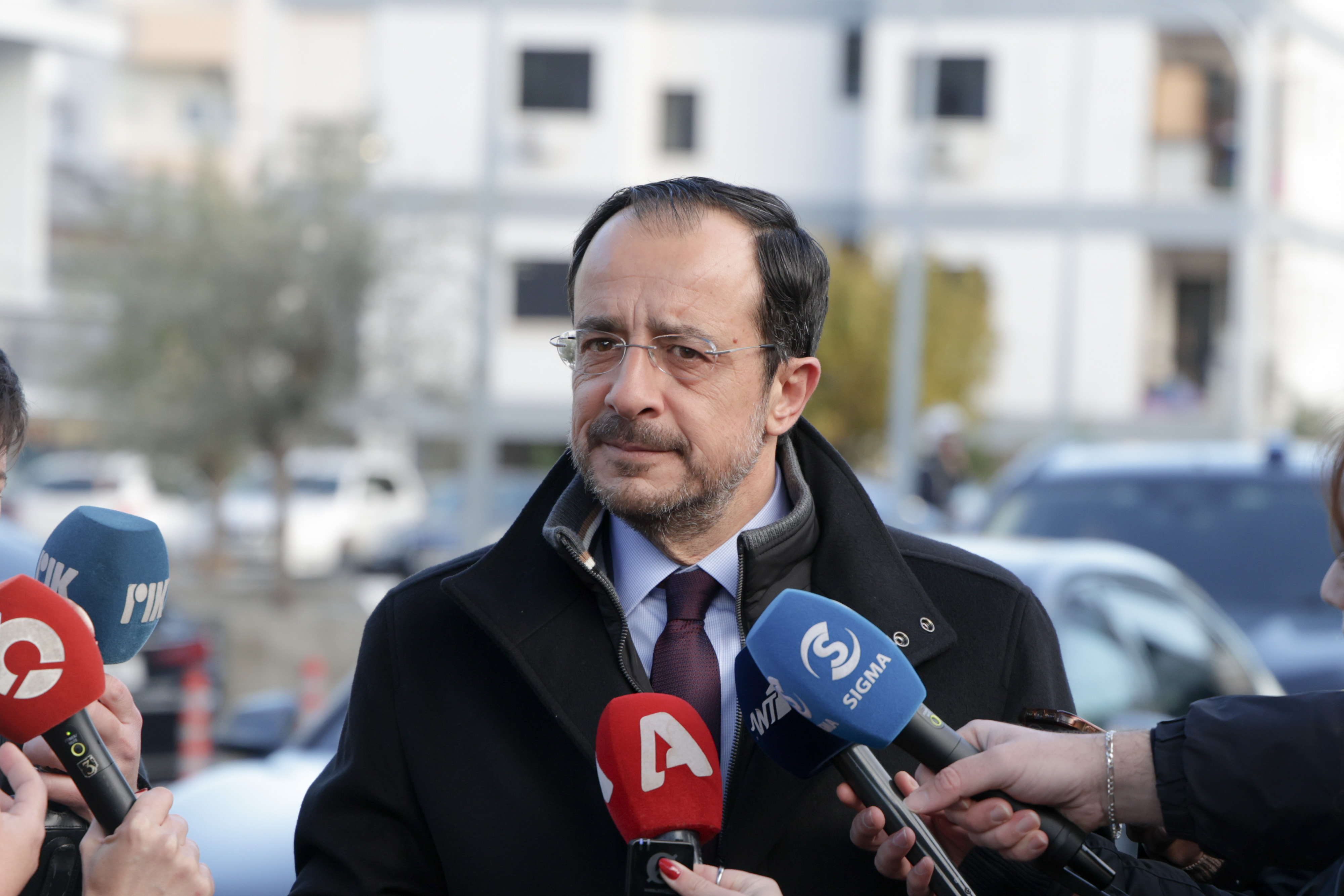
Cyprus is to create its own national cancer institute, President Nikos Christodoulides announced on Wednesday, with cabinet approving a bill for its creation.
“This was something I had promised during the pre-election period. It was a permanent request of all the stakeholders involved, and especially of [the federation of Cyprus patients’ associations] Osak,” he said after the day’s cabinet meeting.
He added that the institute will be “a body which will undertake the coordination of all actions, policies, and plans concerning the prevention, diagnosis, and treatment of cancer”.
Additionally, he said, it will “have the responsibility … to promote cancer research in Cyprus”.
He said that this is “the most important thing, because we are talking about a sector in which prevention is the most important thing”.
Health Minister Neophytos Charalambides, meanwhile, said that the new institute will “have, among other things, the responsibility for the preparation, review, updating, and implementation of the national cancer strategy”.
He added that the institute will also “contribute to the defining of national guidelines and clinical protocols”.
“It will play an important role in educating and informing health professionals, patients, and society, in strengthening cooperation with other competent bodies, as well as in collecting and analysing data regarding the quality of health services in the field of cancer,” he said.
He went on to say that it will “promote and coordinate research programmes for a better understanding of the epidemiology of cancer and the causal factors related to the occurrence of the disease”.
“The creation of the national cancer institute constitutes an important and necessary reform for the country’s health system, strengthening the coordination of policies in the field of oncology and contributing to a more comprehensive and effective treatment of cancer, for the benefit of patients and of society,” he said,
Earlier, Michael Damianos, the current energy minister and former health minister, had described the plan as a “landmark initiative” and a “crucial step” toward upgrading the country’s oncology services.
He had said last year that there is “a pressing need for a central, independent body that can ensure consistency, continuity, and quality in oncology services” and that the national cancer institute will “play exactly that role”.


Click here to change your cookie preferences