
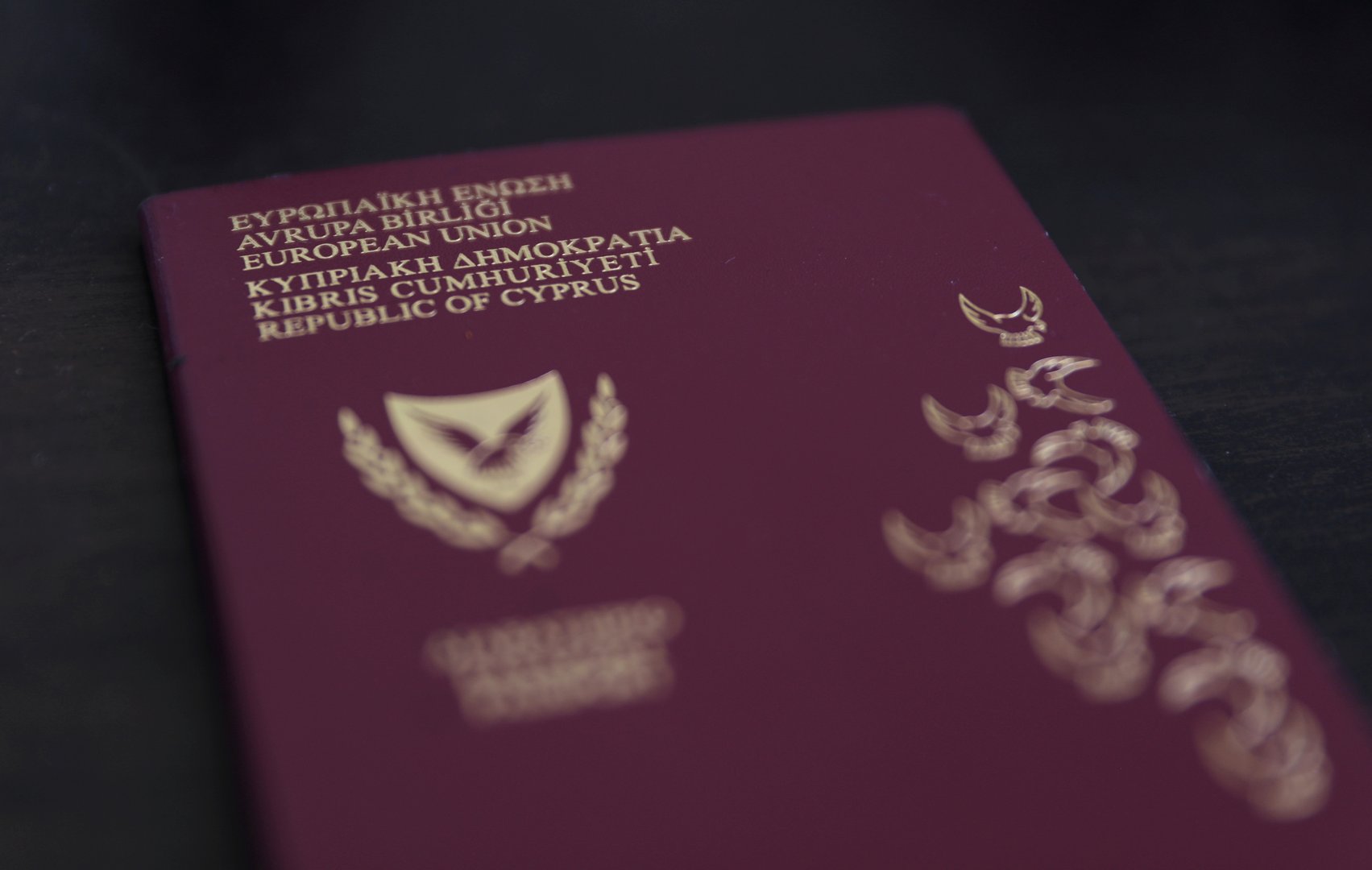
The European Commission informed the government on Wednesday that it has terminated the infringement procedure linked to the island’s controversial citizenship-by-investment scheme, closing its legal dispute with Brussels over the programme widely known as the “golden passports” scheme.
The case concerned the ‘Cyprus investment programme’, which allowed affluent foreign investors to obtain Cypriot citizenship and thereby access rights within the EU.
The commission had ruled that granting citizenship in exchange for investment violated EU law, prompting a formal infringement process against Cyprus.
Cyprus shut down the scheme abruptly in 2020 following intense international criticism and scrutiny.
Authorities in Nicosia subsequently introduced legislative amendments, launched investigations into how passports were granted and began revoking citizenships that were found to have been improperly issued.
In a statement, the legal service described the commission’s decision as “a very positive development for Cyprus”, saying the closure of the procedure reflects the measures taken by the state to restore compliance with EU law.
The legal service said the matter had been handled from the outset in cooperation with European authorities and referred to the appointment of the former supreme court judge Myron Nikolatos’ investigative committee in September 2020.
Its findings, together with those of the Kalogirou committee, led the cabinet to begin stripping citizenship from a number of recipients linked to irregularities.
Senior officials also held a series of meetings with European counterparts in an effort to resolve the dispute.
Attorney-general George Savvides, alongside the deputy attorney-general, Savvas Angelides, met in 2021 and 2023 with the then European justice commissioner, Didier Reynders, while a further review of Cyprus’s actions took place in Brussels in June 2025 with his successor, Michael McGrath.
Although the programme had already been terminated, the commission requested amendments to national legislation to ensure compliance.
Cypriot authorities drafted a revised legal framework in consultation with the commission, which was approved by the cabinet and adopted by parliament within three months of submission.
The scheme, once promoted as a vehicle for attracting foreign investment and fuelling a surge in luxury property development, became the focus of international criticism after allegations that politically exposed individuals and individuals facing legal concerns had obtained EU passports.
Speaking on wednesday following an extraordinary cabinet metting, President Nikos Christodoulides welcomed the European Commission’s decision, saying it reflects the state’s corrective measures and sends “clear messages both in relation to our intentions, but also in recognition of the work we have undertaken on this specific issue.”





Click here to change your cookie preferences