
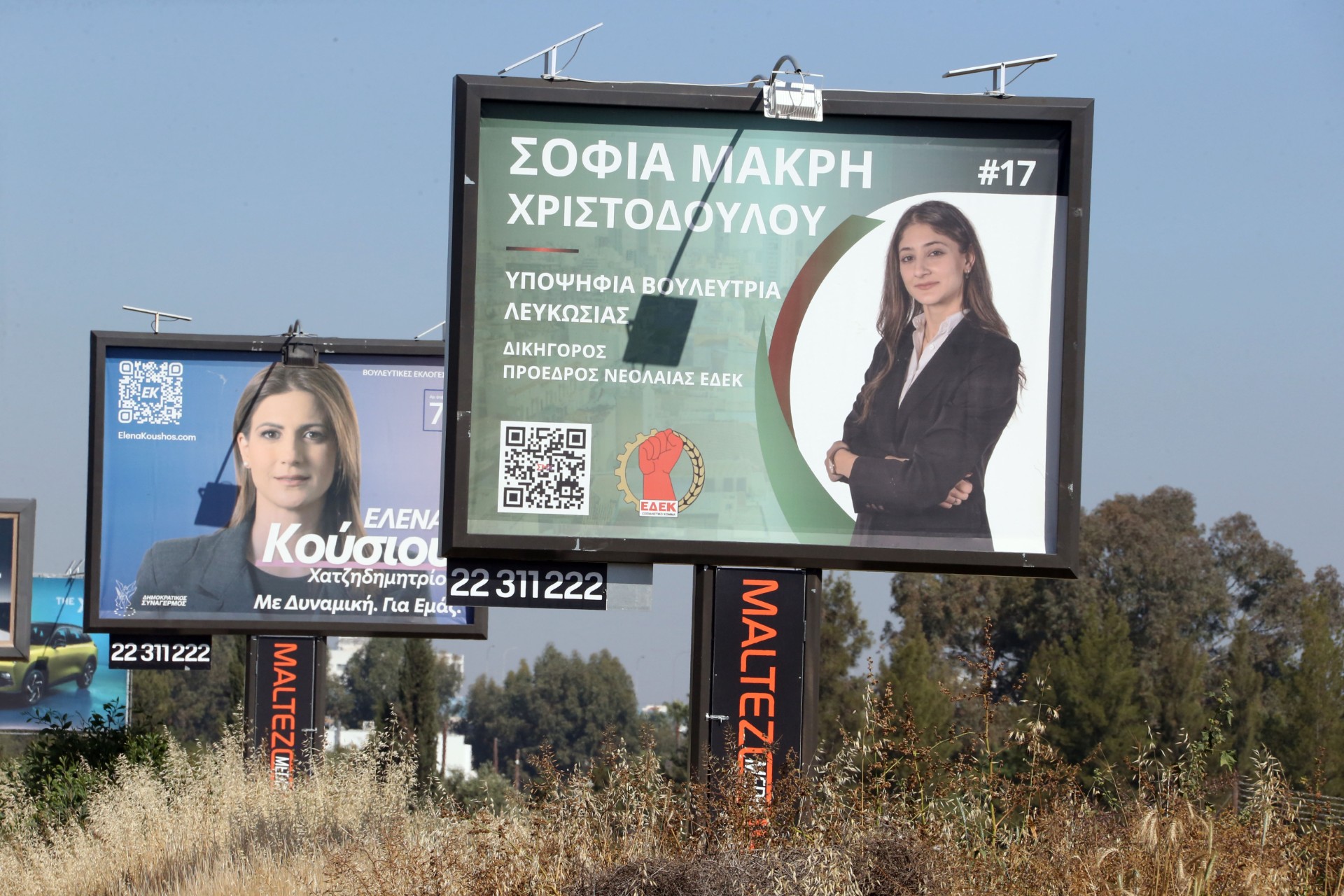
As Cyprus heads toward the May 24 parliamentary elections, the number of women on the ballot has reached its highest level to date, with 224 women out of 753 candidates, part of a gradual but steady rise in female political participation over the past two decades.
At 29.7 per cent of the total, the numbers are improving for women candidacies but is that what we are truly seeking in the year 2026? Shouldn’t we be looking beyond improving numbers for female representation and instead asking whether this reflects genuine political influence?
According to UN Women, women account for 27.4 per cent of members of parliament worldwide and only 22.4 per cent of cabinet ministers heading policy areas, underscoring the gap between political presence and real power.
The data for Cyprus is not all that attractive either. If we take a closer look, we can see that Cyprus comes close to the bottom, sitting between Ghana and India, at number 150 out of 182 countries. Actual female parliamentary representation is at 14.3 per cent with the top country for female parliamentary representation being Rwanda at 63.8 per cent.
Currently there are eight women in the Cyprus parliament, this number has fluctuated since 1960 with the highest it has ever been at 12 women in 2020. Cyprus also recorded the lowest share of women in national parliament across the EU in 2025, far below the EU average of 33.6 per cent.
What does that mean? Is there a correlation between cultural dynamics, the role of woman in Cypriot society and her participation in a sphere dominated by men?
To understand what sits behind the numbers, the Cyprus Mail spoke to women across the political spectrum. What emerged was not simply a story of fewer women being elected but it was a picture of a political system where access, networks, money, scrutiny and power still do not operate equally.
Christiana Erotokritou, a Diko candidate and MP since 2016, says the issue is not whether women are capable, but whether the system gives them the same route to influence.
“Representation is neither fair nor equal in influence,” she says. “Presence is increasing slowly, but real access to decision-making centres, where substantive politics is exercised, remains unequal.”
At the same time, she believes society may be ahead of the parties themselves. “Society appears to be more ready than the political system,” she says. “Citizens are looking for competence, authenticity and effectiveness, not gender.”
That distinction matters because the problem may not be that voters cannot imagine women in politics, it may be that the political system still struggles to imagine women in power.
Following the submission of candidacies, in a statement, Gender Equality Commissioner Josie Christodoulou said women make up 50 per cent of the population, yet their representation on electoral lists for the upcoming parliamentary elections is limited to just 29.7 per cent.
That figure, she said, shows “once again, the deficit in equal participation of women in the political life of the country”.
But we must bear in mind that candidacy is only the first gate, the second is electability and the third is influence.
This is where the public discussion often falls back on the old cliche familiar with every election cycle, why don’t women vote for women?
Susana Pavlou, director of the Mediterranean Institute of Gender Studies, says that question is not only simplistic but shifts blame away from where it belongs. “Blaming women for not voting for women is both reductive and misleading,” she says. “Women’s underrepresentation in politics is driven by structural barriers, from party gatekeeping to unequal access to resources, not by the supposed failure of women voters.”
For Pavlou, the numbers seen on election day are shaped long before voters reach the ballot box. “If parties don’t invest in recruiting women and concretely supporting their candidacy … the numbers will not move,” she says. “This is not a question of women’s ambition. It is a question of structural inequality.”
That view is echoed, in different ways, by women who have lived the system from inside party politics.
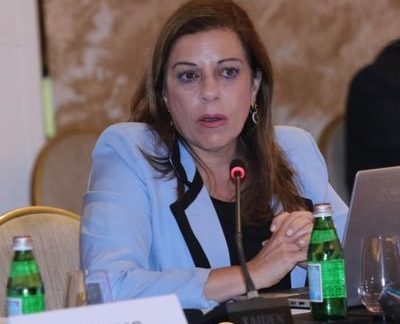
Rita Theodorou-Superman, elected to the House of Representatives in 2021, and a Disy candidate, says the architecture of politics remains heavily male.
“There are no equal opportunities for access to power,” she says. “Decision-making centres, party mechanisms and political networks have not been modernised and were created by men, for men.”
She points to a deeper problem than numbers alone, the areas of politics that are still treated as naturally male.
“The hard portfolios of economy, defence and strategy within party spaces are considered male-dominated fields, where there is no role for a woman,” she says. Her experience has been formed in male-dominated spaces, including the police and parliament.
“I have faced intense and continuous criticism, doubt and underestimation,” she says. “Even if women excel, fight, exceed themselves and often sacrifice their families, most of the time, in order to establish themselves, the system must allow it or recognise it, and that system is mostly men.”
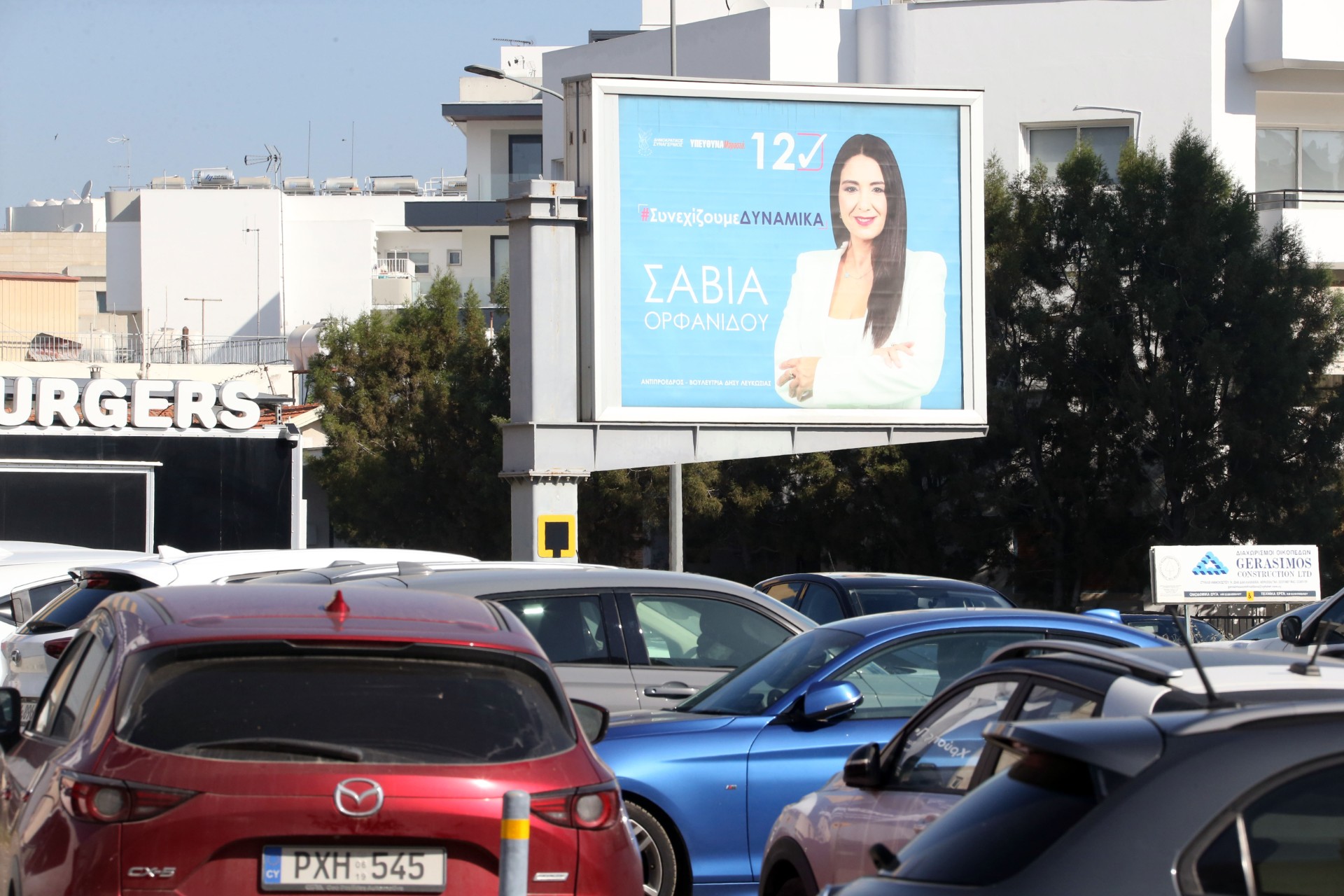
Savvia Orphanidou, who has served in the House of Representatives since 2019, also a Disy candidate, describes a similar higher threshold.
“Politics is a very difficult function regardless of gender,” she says, especially in an era marked by toxicity, populism and distrust toward institutions. “For women, there is clearly an increased degree of difficulty.”
Part of that difficulty, she says, is private life being dragged into the political calculation.
“A woman in politics has to find a way to combine family, political and social life effectively, something that does not apply to the same extent to a man.”
Her conclusion is quite blunt, “A woman has to work much harder than a man to stand out and distinguish herself in the political life of the country. That shows there are still discriminations against women, in politics and in many other areas.”
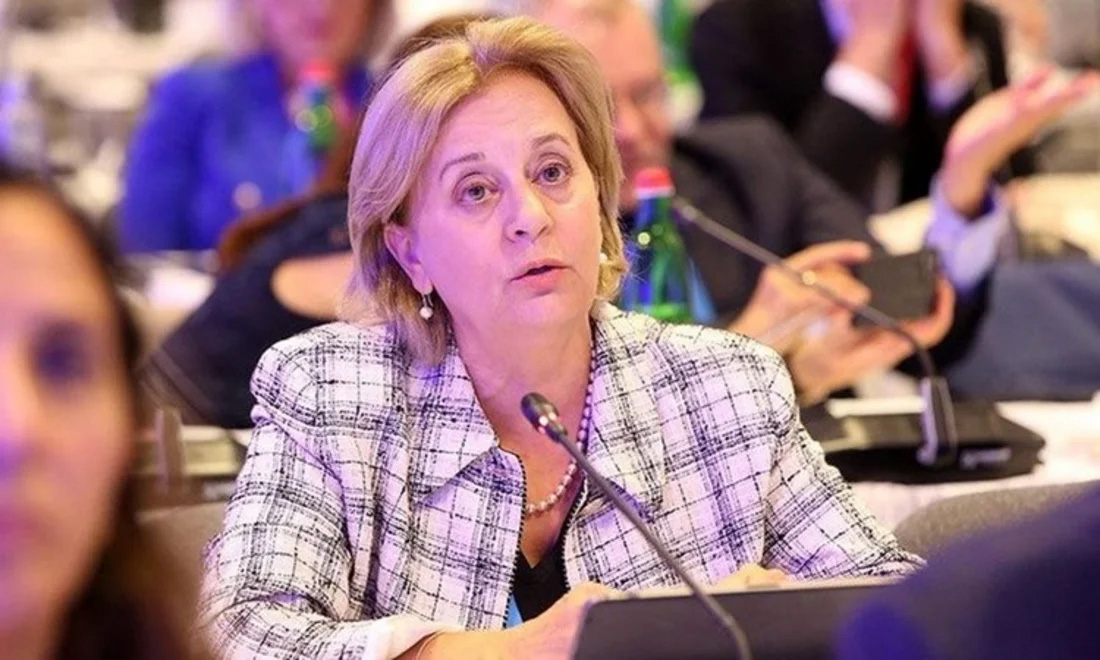
Alexandra Attalides, a member of parliament since 2021, candidate for Volt, places the issue in the way women are judged once they enter public life.
“Gender still shapes the terms under which women participate in politics,” she says. “It does not diminish our ability, but it often raises the barriers we must overcome.” Women, she says, are judged more harshly, scrutinised more personally and expected to justify not only their competence but their presence.
“When you are also outspoken and progressive, that scrutiny can turn into targeted attacks,” she says.
“True representation is not just about numbers. It is about power, agenda-setting and the ability to shape outcomes.”
Marilena Trimithioti, a first-time candidate for Akel, also sees the problem as one of unequal starting points.
“Gender continues to affect women’s path in politics,” she says “because they often start from a different point, with less time available, facing more stereotypes, harsher criticism and greater doubt.” She adds that women are often judged not only on their positions and work, but on their image, tone and personal life. For Trimithioti, however, more women in politics is not enough on its own.
“We need more women in politics, but we also need politics that substantially defends gender equality and human rights more broadly,” she says.
That is an important complication since a woman on a ballot is not automatically a victory for women. Representation can widen democracy, but it does not guarantee progressive politics, neither does it automatically shift power if the structures underneath remain the same.
This is why the May 24 elections matter beyond the headline number of 224 women candidates that most media have chosen to lead with. The question is not only how many women are standing, but where they stand within parties, whether they are supported, whether they are treated as viable, whether voters are offered real choice and whether those elected will be able to shape policy once inside.
Pavlou argues that gender bias in Cyprus is not abstract, “it is reflected in the country’s persistently low representation of women in political office and decision-making roles,” she says.
Research showing that voters often associate leadership with toughness and emotional control is particularly relevant in Cyprus, she adds, where political culture has long been shaped by conflict, security concerns and adversarial party dynamics.
“These conditions tend to reinforce the perception that leadership is a masculine domain,” she says. “This has real consequences. It affects who political parties select and promote, how women candidates are portrayed in the media, and how seriously they are taken by voters.”
The election will show whether the record number of women candidates is a sign of real political change, or another all too familiar compromise with more women on the ballot, but not enough women in the rooms where decisions are made.
As Christodoulou put it, equality between women and men “is not a choice, it is a social imperative”.
The question now is whether Cyprus’ political system is ready to treat it as one and what will happen on May 24.





Click here to change your cookie preferences