
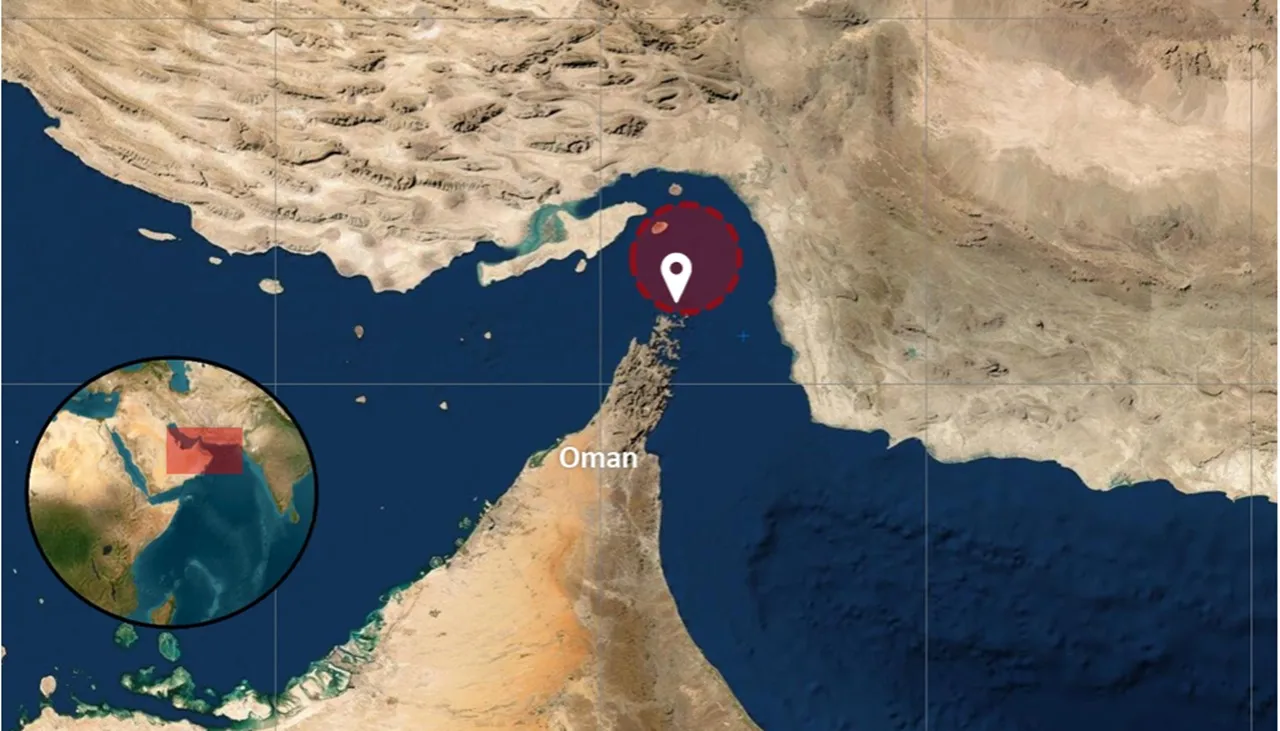
Three commercial vessels were hit in and around the Strait of Hormuz within the space of a few hours on March 11, including a Greek-linked bulk carrier, as renewed attacks sharpened concern over security in one of the world’s most critical shipping corridors.
Maritime security alerts and industry reports identified the vessels as the Star Gwyneth, Mayuree Naree and One Majesty.
The Greek-owned Star Gwyneth, a Marshall Islands-flagged bulk carrier in the fleet of New York-listed Star Bulk, with ship management offices in Limassol, Cyprus, was struck by an unknown projectile about 50 nautical miles northwest of Dubai, according to maritime security reporting cited by Reuters.
Reuters said the projectile damaged the vessel’s hull, although the crew was reported safe.
Other industry reporting said the 2006-built, 83,000-dwt vessel was hit by a missile and suffered a two-metre hole in its first cargo hold as well as damage to its ballast tanks, causing it to list.
All crew members were reported safe and no environmental damage was recorded. The Star Gwyneth was said to be heading to Mina Rashid, west of Hormuz.
The incident has drawn particular attention in Greek shipping circles, given that it directly involved a vessel tied to one of Greece’s best-known listed dry bulk groups.
A few hours earlier, another Star Bulk vessel, the Star Maria, an 82,600-dwt bulker built in 2007, managed to pass safely through the Strait of Hormuz and exit the Persian Gulf, according to Kpler data.
It was reported to be one of only two Western ships to have left the critical area over the previous five days, alongside the Shenlong, a 159,000-dwt tanker built in 2009 and managed by George Prokopiou’s Dynacom Tankers Management.
Taken together, the movement of the Star Maria and the Shenlong, alongside the strike on the Star Gwyneth, emphasised the growing exposure of Greek and Greek-linked shipping interests operating in the Gulf.
Earlier, the Thai-flagged Mayuree Naree was hit about 11 nautical miles off Oman in an attack that caused a fire on board.
Reuters, citing maritime security sources and the UK Maritime Trade Operations (UKMTO), reported that the blaze was later extinguished, that there was no environmental impact, and that the necessary crew remained on the vessel.
Industry reporting identified the vessel as a bulk carrier owned by Bangkok-based Precious Shipping, while reports cited by regional media said 20 crew members evacuated and three remained on board as assistance operations continued.
A third vessel, the Japan-flagged container ship One Majesty, sustained what Reuters described as minor damage after being struck about 25 nautical miles northwest of Ras Al Khaimah in the United Arab Emirates.
Its crew was safe and the vessel was sailing towards a safe anchorage, according to the same report. Separate industry reporting said the ship suffered a 10-centimetre hole in its hull.
The vessel is owned by Mitsui O.S.K. Lines and operated within the Ocean Network Express (ONE) fleet, according to trade reporting that identified the ship after the attack.
The attacks came after a 72-hour period during which no vessels had been reported hit in connection with the conflict involving Iran, according to industry reporting.
Reuters said the latest incidents brought the number of vessels attacked since the conflict began on February 28 to at least 14.
The agency also noted that traffic through the Strait of Hormuz, which accounts for about 20 per cent of global oil and gas supply, has fallen rapidly since the start of the conflict.
The incidents have added to concern across global shipping markets over security in the waterway linking the Gulf with the wider world.
Seatrade Maritime reported that, since the conflict escalated on February 28, at least 10 incidents have been recorded and seven seafarers have been killed.
Taken together, the latest strikes are likely to deepen caution among shipowners and operators already navigating an increasingly volatile regional environment, with voyage risk assessments now central to decision-making for ships trading through the Gulf.




Click here to change your cookie preferences