
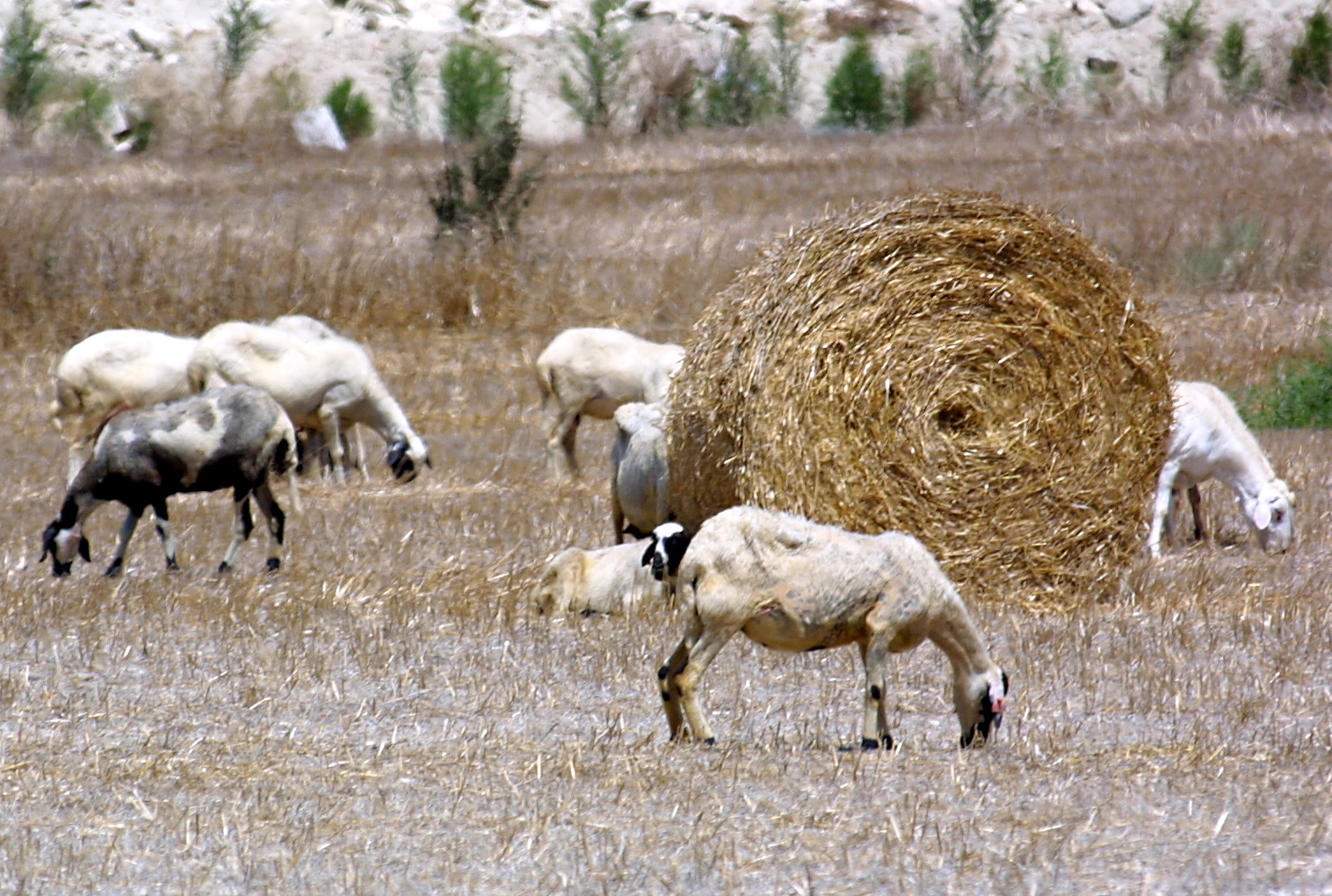
As mass culling continues to address the foot and mouth disease outbreak in Cyprus, agricultural organisations have urged for the same measures to be imposed in the north as well, where the first incidences on the island were reported in December 2025.
“If this does not happen, we are all in a minefield,” chairman of the sheep and goat herders’ group of producers Soteris Kadis told the Cyprus News Agency.
“Since the EU will not accept derogations on our side, it must impose the same measures in the occupied areas, because after all they are already funding them with €12 million per year and they even sent animals last year,” Kadis said.
Chairman of Panagrotikos organisation Kyriakos Kailas said taking the necessary measures was the only way to stop the disease from spreading, however he reminded that for months the farmers had been calling for the closure of crossing points.
“If such measures are not taken, we will continue to face the same problem,” he pointed out.
Kailas said strict measures were being taken in the units where incidences were identified and that the aim now was to save as many farms as possible.
Animals, he said, would be culled, units would be sacrificed, the farmers would be compensated in full
“These are the intentions of the government and they are in the right direction. From thereon, the meetings we have are not ideal, because you will get 50 or 100 people to protest […] This is the protocol we must observe faithfully so that we can stop this,” Kailas said.
He added that fragmenting units was not possible, because they were so close together and had nowhere else to go.
“We are like Beijing, with one unit on top of the other. How can you separate the animals into groups? Where will you take them? This can’t be done,” he explained.
Regarding compensation for farmers, Kailas said it was not just the animals, but “the hay bales that will be destroyed, the discarded milk and all the rest”.
Kailas added that importing live animals would not give an immediate solution, as they had to reproduce and then be milked before any income came through. “It is a difficult situation.”
The Panagrotikos leader also said new animals imported could be vaccinated to be more resistant to the virus, so if the disease reappeared then only the infected animal could be killed. “Now it’s the whole herd.”
Kailas explained that not all animals in a herd could be of the same age and, although all animals were being culled, they could not all be replaced at the same time.
“The compensation should be for the whole population, but replacing them can’t be done in a day,” he said.
Kadis agreed, saying that the committee set up to deal with compensations should take all losses into consideration.




Click here to change your cookie preferences