
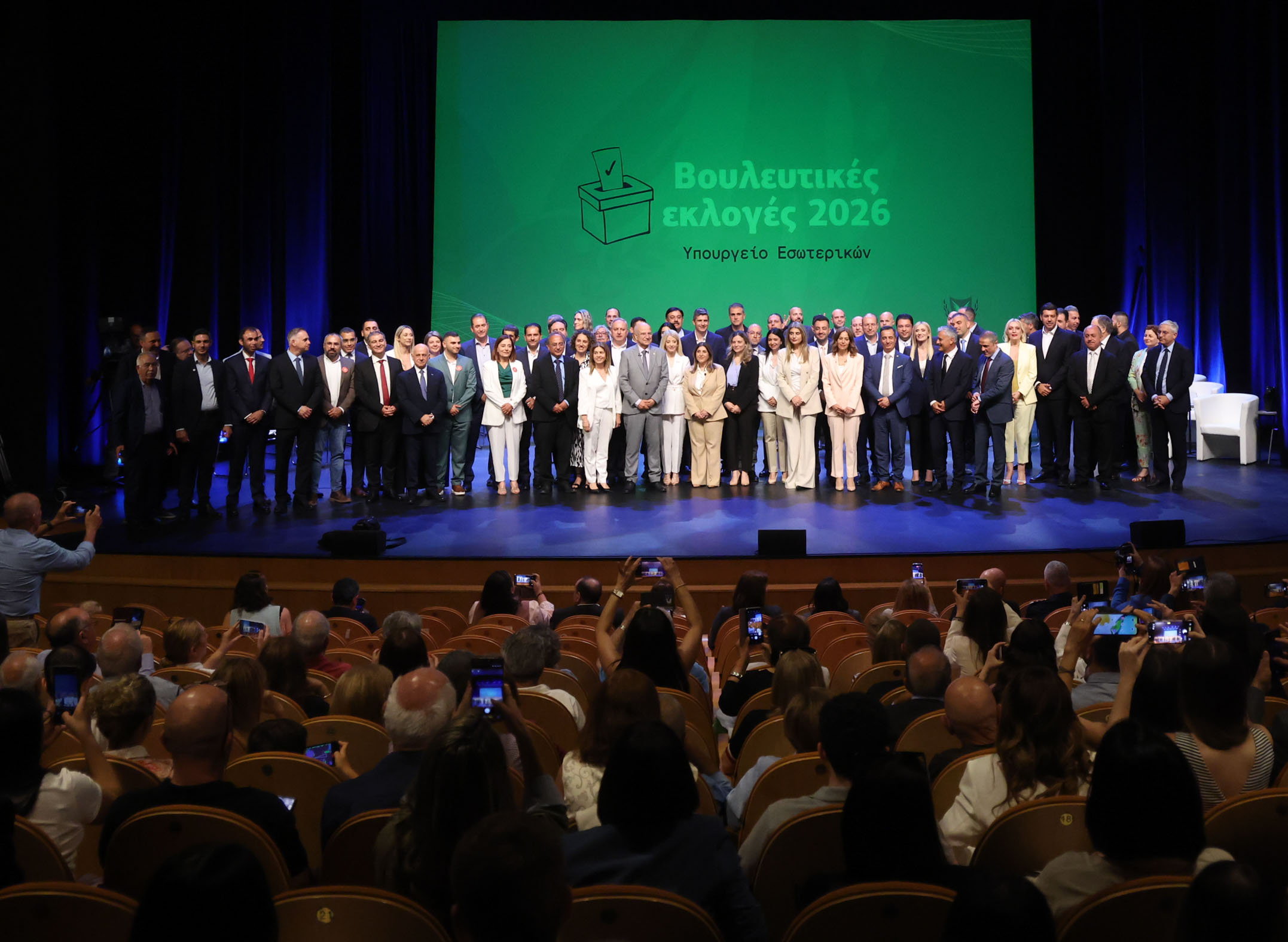
Negotiations over the allocation of parliamentary committee chairmanships intensified on Wednesday as parties manoeuvred for influence following Sunday’s parliamentary elections.
At the centre of the discussions is the distribution of 16 standing parliamentary committees.
Under the standing orders of the House, only parties controlling at least 12 per cent of MPs, effectively seven seats or more, are formally entitled to form recognised parliamentary groups and claim committee chairmanships.
Following the parliamentary elections, only four parties meet that threshold.
Disy secured 17 seats, Akel won 15, while Diko and Elam each emerged with eight MPs.
Alma and Direct Democracy entered parliament with four MPs each, leaving them formally outside the recognised threshold.
Although the seven-seat requirement formally exists within parliamentary regulations, previous Houses repeatedly departed from its strict application.
During the outgoing parliamentary term, Edek MP Marinos Sizopoulos chaired the defence committee despite the party holding only two seats, Dipa MP Alekos Tryfonides chaired the transport committee with three MPs, while Charalambous Theopemptou of the Ecologists controlled the environment committee with just two seats.
Disy MP Demetris Demetriou acknowledged that previous exceptions had existed but signalled that the larger parties are now leaning towards applying the regulations more strictly.
“The majority tends to apply the regulation,” he said, while questioning why some political forces that “always invoke laws and regulations” are now arguing for exceptions.
The final decisions will be taken by the Committee of Selection, which is chaired by the House speaker and is responsible for allocating MPs and committee positions proportionally across parliament.
The existing committee map leaves several important chairmanships effectively open following the elections and retirements of sitting MPs.
In the previous parliament, Disy controlled five committees including foreign affairs, energy, legal affairs, health and institutions.
Of those, only the institutions committee currently has continuity, with Demetriou re-elected and expected to remain influential in the committee structure.
The foreign affairs and energy committees lost their previous chairs after outgoing MPs failed to return to parliament, forcing Disy into a reshuffle.
In legal affairs, long serving MP Nikos Tornaritis has departed, with Fotini Tsiridou emerging as a likely successor.
In health, outgoing committee chair Efthymios Diplaros has also left the committee landscape, with Savia Orphanides considered among the possible replacements.
Akel enters the negotiations in the strongest position organisationally, retaining four of its five previous committee chairs.
Aristos Damianou returns to parliament and is expected to remain central within the interior committee, while Yiannakis Gavriel remains associated with agriculture, Nikos Kettiros with refugees and Giorgos Koukoumas with human rights.
Only the labour committee is left vacant following the departure of Andreas Kafkalias.
Diko also retained significant continuity for Christiana Erotokritou remains closely linked to the finance committee, while Zacharias Koulias continues as a key figure around the audit committee.
The education committee however has become one of the most contested positions following the departure of outgoing chair Pavlos Mylonas.
That vacancy has intensified interest from Elam, which has emerged as one of the major winners of the election after doubling its parliamentary representation from four seats to eight.
Speaking on CyBC, Elam leader Christos Christou confirmed the party intends to seek the chairmanships of the education and environment committees while also leaving open a claim for defence.
“Based on Elam’s percentages, and in accordance with the regulations of the House, we can assume such committee chair positions,” Christou said.
All three committees targeted by Elam are now politically vulnerable.
Elam spokesman and MP Marios Pelekanos said the party believes it is entitled to three committee chairs “on equal terms” with the other parliamentary groups which formally satisfy the threshold requirement.
He confirmed Elam has internally ranked its priorities and is preparing for negotiations inside the Selection Committee once the new parliament formally convenes.
The positions adopted by smaller parties have further complicated negotiations over the committee structure.
Alma leader Odysseas Michaelides argued that the regulations governing committee chairs could easily be amended if parliament wished to accommodate smaller parliamentary groups.
“Why should a party with eight MPs get three committees and a party with four MPs get zero,” he asked.
Michaelides insisted the constitution itself does not prohibit smaller parties from chairing committees and stressed that parliamentary regulations are internal rules capable of amendment by MPs themselves.
Direct Democracy has also begun pressing for at least one committee chairmanship, reportedly prioritising the human rights, education and health committees.





Click here to change your cookie preferences