
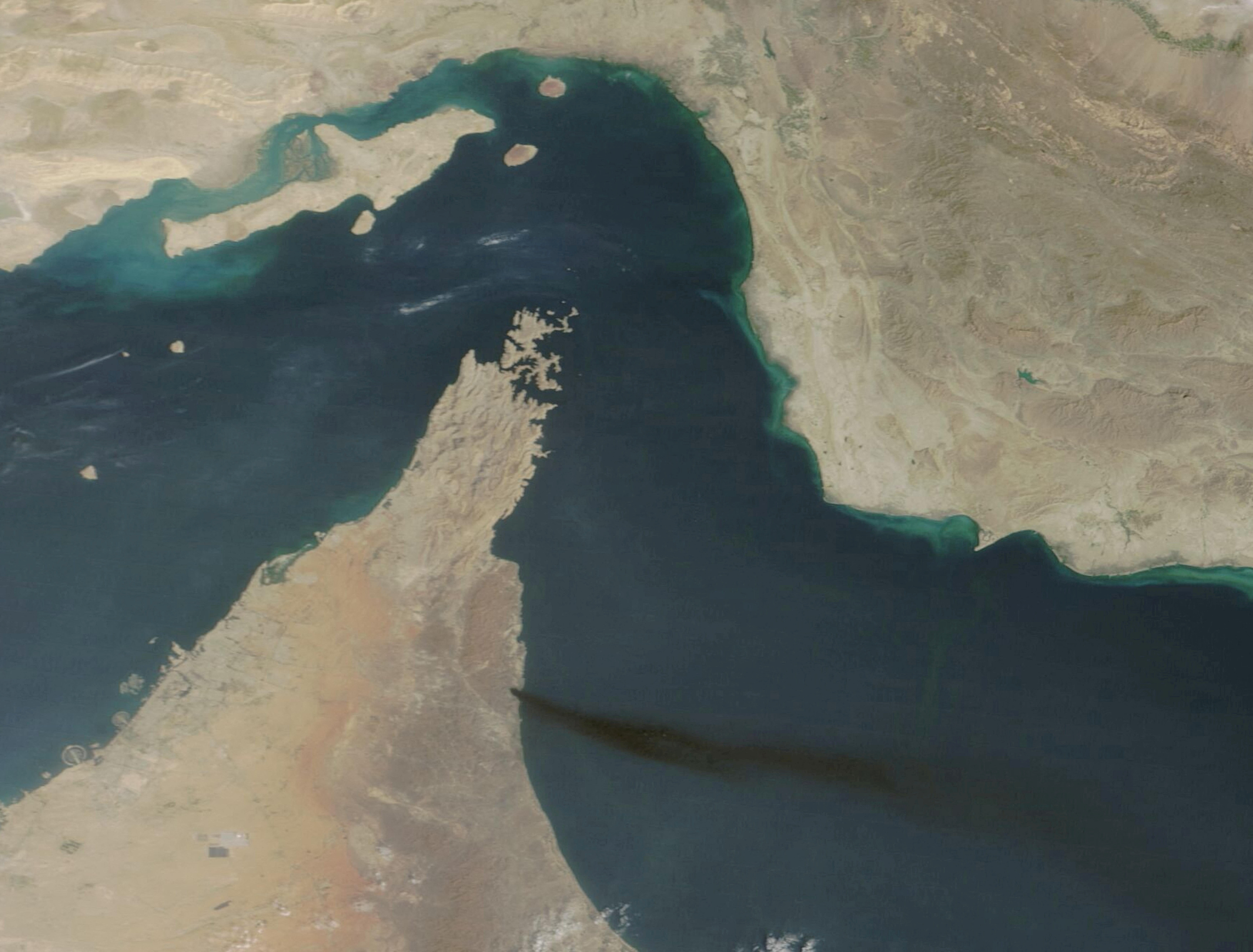
Operations at the United Arab Emirates’ Shah gas field remained suspended on Tuesday following a drone attack, while a fresh attack caused a fire in the port of Fujairah, a key export terminal where oil loading by state firm ADNOC has been halted.
The cascading disruptions threaten to completely sever the OPEC producer’s remaining crude export outlet from global markets, potentially deepening a crisis that has sent energy prices surging.
The UAE’s other export hubs are located within the Gulf, which has been effectively cut off from the world by Iran’s stranglehold of the Strait of Hormuz, a narrow waterway between Iran and Oman through which a fifth of the world’s oil supply normally flowed.
Monday’s attack on the Shah field – located about 180 km (111.85 miles) southwest of Abu Dhabi and one of the world’s largest sour gas fields – adds to disruptions to the UAE’s energy sector.
The field, which is operated by oil giant ADNOC in a joint venture with Occidental Petroleum, supplies at least 500 million cubic feet of gas daily to the domestic grid.
The No.3 OPEC producer’s daily crude oil output is down by more than half since the conflict broke out, with the effective closure of the strait forcing state oil giant ADNOC to implement widespread production shut-ins, Reuters has reported.
Loading of ADNOC crude remains suspended at Fujairah, a source familiar with the situation said.
Fujairah, which has come under a series of attacks and is typically the outlet for more than 1 million barrels per day of the state firm’s Murban crude. Fujairah, which lies just outside of the Strait of Hormuz, is still operating but at reduced capacity, according to Kpler.
Gulf Arab states, including the UAE, have faced more than 2,000 missile and drone attacks since the start of the U.S.-Israeli war on Iran on Feb. 28, targeting U.S. diplomatic missions and military bases as well as oil infrastructure, ports, airports and residential and commercial buildings.





Click here to change your cookie preferences