
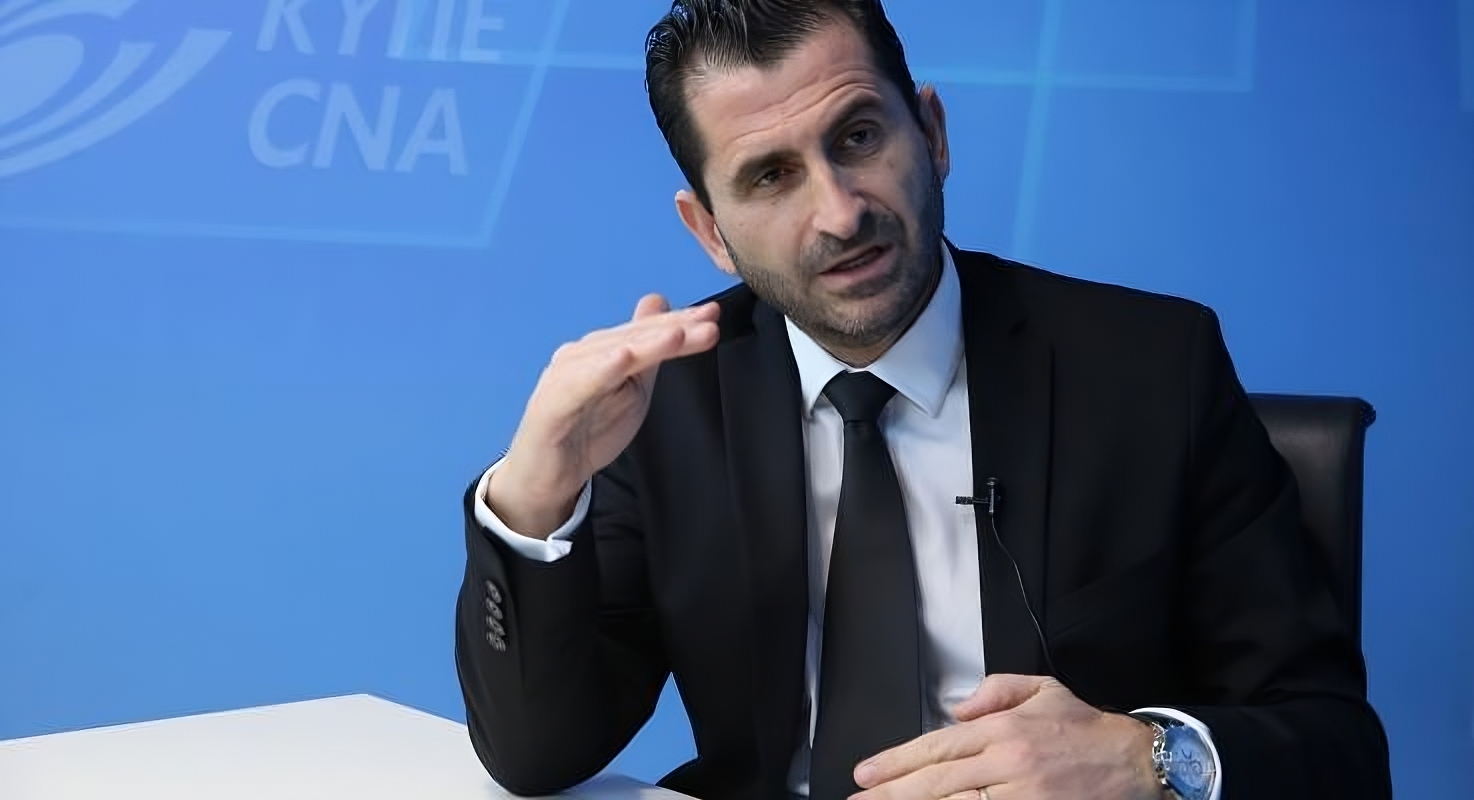
International Chamber of Shipping (ICS) secretary-general Thomas Kazakos this week condemned the attacks on commercial vessels in the Middle East and the Persian Gulf, warning that they threaten shipping, global trade and seafarers.
In a statement issued at the International Maritime Organisation’s (IMO) 36th extraordinary council meeting, Kazakos said the attacks pose “an unacceptable threat” to the safety of international shipping.
He added that they undermine the stability of global trade and place “innocent seafarers at grave risk”.
The meeting was held to address the impact on shipping and crews of the situation in the Arabian Sea, the Sea of Oman and the Gulf region, particularly in and around the Strait of Hormuz.
Kazakos said the attacks “have resulted in fatalities and caused serious injury to seafarers”. He added that around 20,000 remain trapped in the affected area.
He also warned that the longer the crisis endures, the greater the strain on those crews. As he put it, “stores begin to deplete, and bunkers reduce”.
Kazakos said industry is moving to provide all the support it can. At the same time, however, he stressed that states must work together to ensure vessels can be resupplied and crews changed over safely and quickly, to allow for the continued safe operation of those ships.
He also called on all relevant authorities to take “immediate and decisive measures” to guarantee safe and secure passage for affected vessels.
In that context, he said “the right to freedom of navigation is paramount and should be protected”. He added that any efforts to safeguard shipping and facilitate its movement should be closely coordinated with the industry to ensure “practical, effective outcomes”.
Moreover, Kazakos said transparent communication and collaboration between governments, navies and industry will be essential to restore confidence and minimise risk.
Kazakos finally urged all parties involved to work urgently to de-escalate and swiftly resolve the crisis.
“The safety of seafarers, the integrity of essential global supply chains, and the stability of international commerce depend on immediate action to bring these hostilities to an end,” he concluded.





Click here to change your cookie preferences