
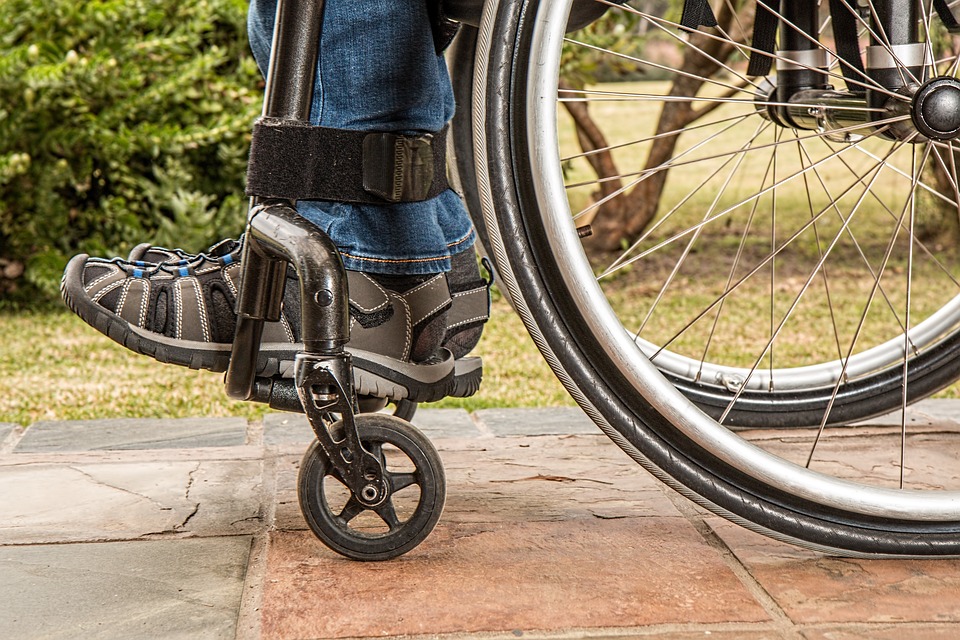
A bill on disability benefits would not provide a comprehensive solution, but conditions would not worsen, representatives of people with disabilities said on Friday as the House labour committee continued discussing the proposed legislation.
Committee chairman and Akel MP Andreas Kafkalias said the number and severity of complaints submitted by people with disabilities showed that many issues remain unresolved, adding that MPs were still awaiting written responses from the deputy welfare ministry.
The committee examined issues concerning beneficiaries of the minimum guaranteed income (EEE) scheme, their gradual integration into the workforce, delays in examining objections, and the proposed separation of disability benefits from the EEE. MPs and organisations called for clarifications from the government before parliament dissolves in four weeks ahead of the May 24 elections.
Kafkalias said there was confusion regarding the number of beneficiaries. In a previous reply, the deputy ministry referred to 12,000 new beneficiaries, while organisations expected the legislation to include all those currently excluded.
“This is not how things are,” Kafkalias said and assured that the issue would be discussed before the new bill was sent to the plenum.
Deputy Welfare Minister Klea Hadjistefanou Papaellina said discussions would continue on Tuesday and that she would return with the requested clarifications.
She described the new legal framework as a “huge social reform”, stressing the importance of separating disability benefits from the EEE.
Papaellina said there was willingness to increase benefits and include a large number of new beneficiaries, with a budget of €106 million allocated for the period 2026–2028.
Referring to delays in examining objections, Papaellina blamed the shortage of staff and assured efforts were under way to rectify the situation. Some objections have been pending for up to 18 months, according to MPs.
Disy MP Demetris Demetriou said the deputy ministry should “keep the doors open”, adding that MPs acting as intermediaries to obtain answers was “not healthy”.
He also described as unfortunate the inclusion of organisations representing disabled people and patients on a list of “lobbyists”.
Diko MP Andreas Apostolou said “courageous increases” in disability benefits were necessary and called for the bill to be passed before the parliamentary recess to include as many new beneficiaries as possible.
Independent MP Alexandra Attalides said MPs were receiving calls from people left without income for months, stressing that it was not their role to resolve such cases.
Chairman of the paraplegic organisation Demetris Lambrianides said representatives were leaving the meeting with more questions than answers, adding that they were still awaiting responses from previous sessions.
He said people with severe disabilities should not be excluded from the benefits framework and called for amendments to EEE legislation so that income criteria would not apply to them.
The chairman of the association of parents of children with special needs highlighted a lack of state support.
Chairwoman of the organisation for people with disabilities Themis Anthopoulou said the bill would not make things perfect, but “they could not get any worse than they already are”.
She added that nearly half of people with severe disabilities or moderate mental disabilities are excluded from state welfare schemes due to the link between disability benefits and EEE income criteria.



Click here to change your cookie preferences