
Hopes for a peace agreement between the United States and Iran faded further on Tuesday after President Donald Trump said the ceasefire was “on life support” following Tehran’s rejection of a US proposal aimed at ending the conflict.
Trump dismissed Iran’s response in sharp terms, telling reporters the document sent by Tehran was “garbage” and warning that the fragile ceasefire announced on April 7 could collapse.
“I would call it the weakest right now,” Trump said. “I didn’t even finish reading it. It’s on life support.”
Iran rejected the American proposal and instead demanded an end to fighting across the region, including in Lebanon where Israel continues military operations against Hezbollah. Tehran also called for the lifting of the US naval blockade, compensation for war damage and recognition of its sovereignty over the Strait of Hormuz.
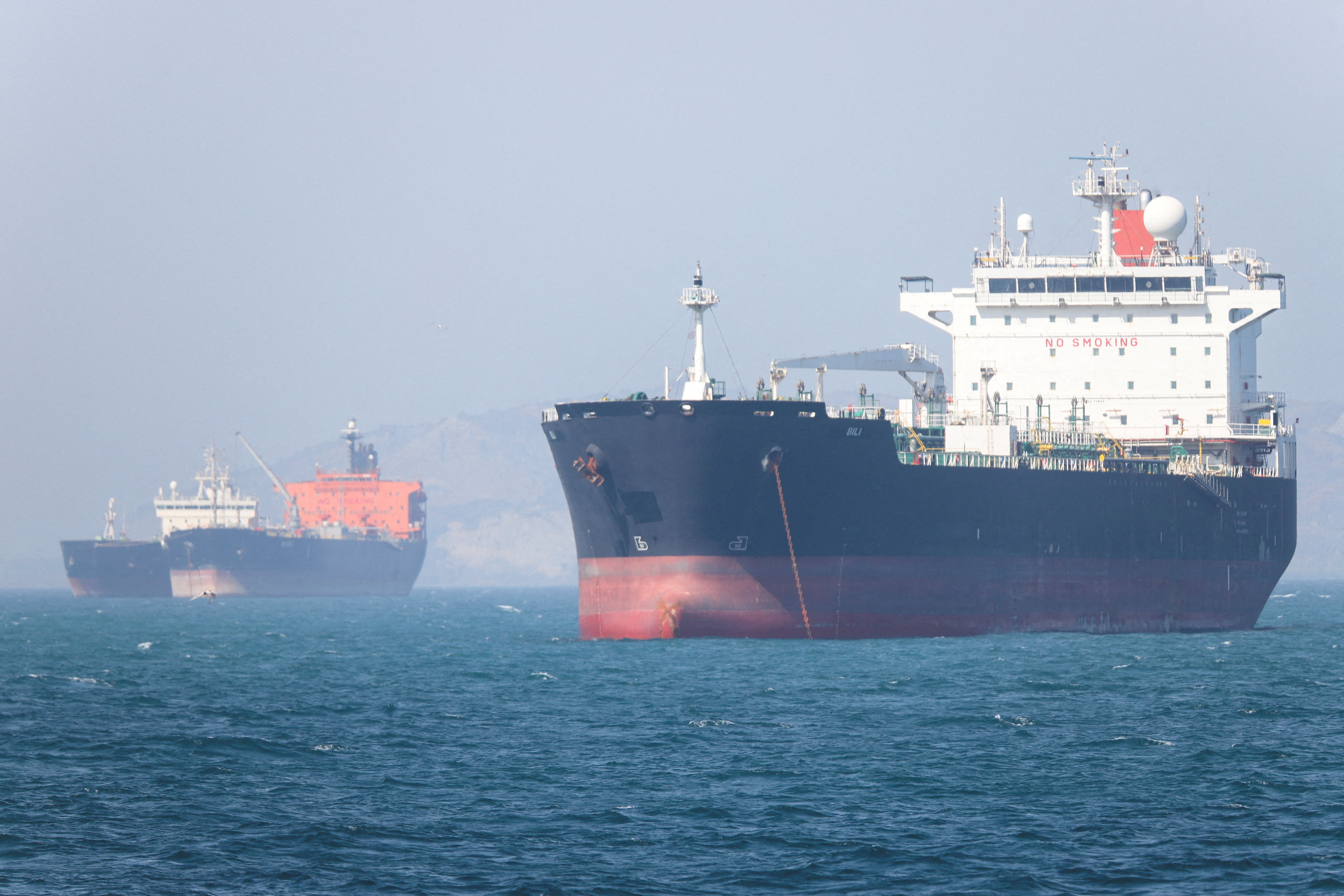
The impasse pushed oil prices higher, with Brent crude rising above 107 dollars a barrel as shipping through the Strait of Hormuz remained heavily restricted. Before the conflict began on February 28, the strategic waterway carried around one fifth of global oil and liquefied natural gas shipments.
The US military said the aircraft carrier Abraham Lincoln was operating in the Arabian Sea as part of efforts to enforce the blockade. US Central Command said 65 commercial vessels had been redirected and four disabled since operations began.
The Pentagon said the war has now cost the United States 29 billion dollars, four billion more than previously estimated. Officials attributed the increase to updated operational expenses and the repair or replacement of military equipment.
The conflict has also affected the US economy, contributing to rising fuel prices and higher inflation. Consumer prices increased again in April, marking the steepest annual inflation rise in nearly three years.
The political pressure on Trump has intensified ahead of nationwide elections later this year. A Reuters Ipsos poll published on Monday found that two thirds of Americans believe the president has failed to clearly explain why the United States entered the war.
Trump is expected to travel to Beijing on Wednesday for talks with Chinese President Xi Jinping. The US president wants China to encourage Tehran to reach a settlement with Washington.
China remains one of Iran’s largest oil buyers and has criticised the blockade of the Strait of Hormuz. Beijing has argued the restrictions do not serve the interests of the international community.
Washington also announced fresh sanctions on individuals and companies accused of helping Iran export oil to China, while warning banks against attempts to bypass existing restrictions.
Iranian officials meanwhile maintained a defiant tone. State linked media quoted Revolutionary Guard Corps Navy official Mohammad Akbarzadeh as saying Iran had expanded its operational control over the Strait of Hormuz.
Iran’s defence ministry warned that any new attack would trigger an immediate response, while state television broadcast military exercises carried out by the Revolutionary Guards near the Gulf.
Despite the tensions, a second Qatari liquefied natural gas tanker successfully passed through the Strait of Hormuz on Tuesday under arrangements reportedly involving Iran and Pakistan.
Britain announced it would contribute fighter jets, autonomous mine hunting systems and the warship HMS Dragon to an international mission aimed at protecting shipping in the region once conditions permit.
Kuwait also summoned Iran’s ambassador after accusing armed Revolutionary Guard members of infiltrating Bubiyan Island and clashing with Kuwaiti forces. Iran did not immediately respond to the allegation.





Click here to change your cookie preferences