
Coffee culture in Cyprus is about far more than caffeine. Across the island, coffee acts as a daily ritual, a social connector and an expression of hospitality. Whether in a traditional village café or a modern specialty coffee bar on the island, coffee remains deeply tied to Cypriot identity and lifestyle.
The roots of Cyprus’ coffee culture
The roots of coffee culture in Cyprus come from Ottoman and broader Middle Eastern traditions. Over generations, Cypriots developed their own version of coffee culture centred around strong, finely ground Cypriot coffee. Similar to Greek or Turkish coffee, it is brewed slowly in a small pot called a “briki” and served in a small cup with foam, called kaimakki, on top and grounds settled at the bottom.
When ordering Cypriot coffee, sweetness levels are taken surprisingly seriously and locals often customise their coffee very specifically. While the most common options are skettos (no sugar), metrios (medium sweetness) and glykos (sweet), there are several variations in between. “Me oligin” refers to coffee with only a small amount of sugar — less sweet than metrios but not completely plain. “Mallon glykis” is slightly sweeter than metrios without reaching the full sweetness of glykos, while “varis glykis” describes an extra sweet coffee.
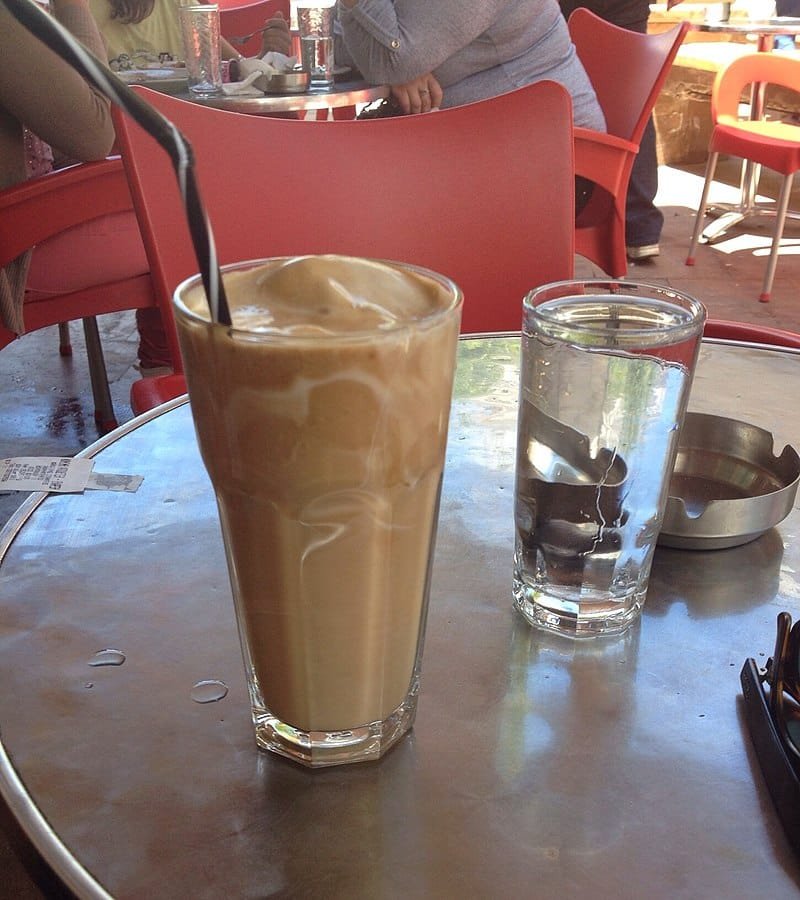
Traditional coffee shops, known as kafenia, will almost always serve a glass of water alongside your coffee. While the water is traditionally enjoyed after finishing the coffee, some people prefer to pour a little into the cup to cool it down, soften the strong flavour and make it easier to drink.
These detailed ordering styles highlight how personal and ritualistic coffee culture in Cyprus can be, with people sticking to the exact same preference every day.
Coffeeshops are, or at least were, a way of life
For many locals, coffee is not rushed. Saying “let’s go for coffee” usually means sitting for a long conversation rather than grabbing a quick takeaway drink. Cafés are important meeting places for business discussions, family gatherings and social life. In villages, traditional “kafeneio” coffee shops still exist as community hubs where older generations gather daily to talk, play backgammon or cards (pilotta) and follow local news.
At the same time, Cyprus café culture has evolved rapidly. Alongside traditional cafés, modern specialty coffee shops now dominate urban areas. Third-wave coffee trends such as flat whites, cold brew and artisan espresso have become increasingly popular, especially among younger consumers. Visitors exploring the best coffee spots in Nicosia or Limassol will find stylish cafés blending Mediterranean atmosphere with international coffee trends.
Cold coffee dominates
Cold coffee also plays a major role because of Cyprus’s warm climate. Drinks such as frappé, freddo espresso and freddo cappuccino are consumed almost year-round. While traditional Cypriot coffee remains important culturally, iced coffee often dominates everyday coffee habits, particularly during the long summer season.
Coffee in Cyprus traditions also includes food pairing. Coffee is commonly served with sweets such as loukoumi, baklava, spoon sweets or biscuits. More recently, café culture has merged with the island’s growing brunch scene, creating spaces that combine specialty coffee with modern dining.
For tourists and expats, coffee culture in Cyprus offers an easy introduction to local life. Experiencing a traditional coffee service or spending hours in a relaxed café reveals the island’s balance between tradition and modern living. Looking ahead, sustainability, ethical sourcing and local specialty roasters are shaping the future of coffee culture Cyprus-wide.
Ultimately, coffee culture in Cyprus reflects the island itself: social, relaxed and rooted in tradition while still embracing modern influences.



Click here to change your cookie preferences