
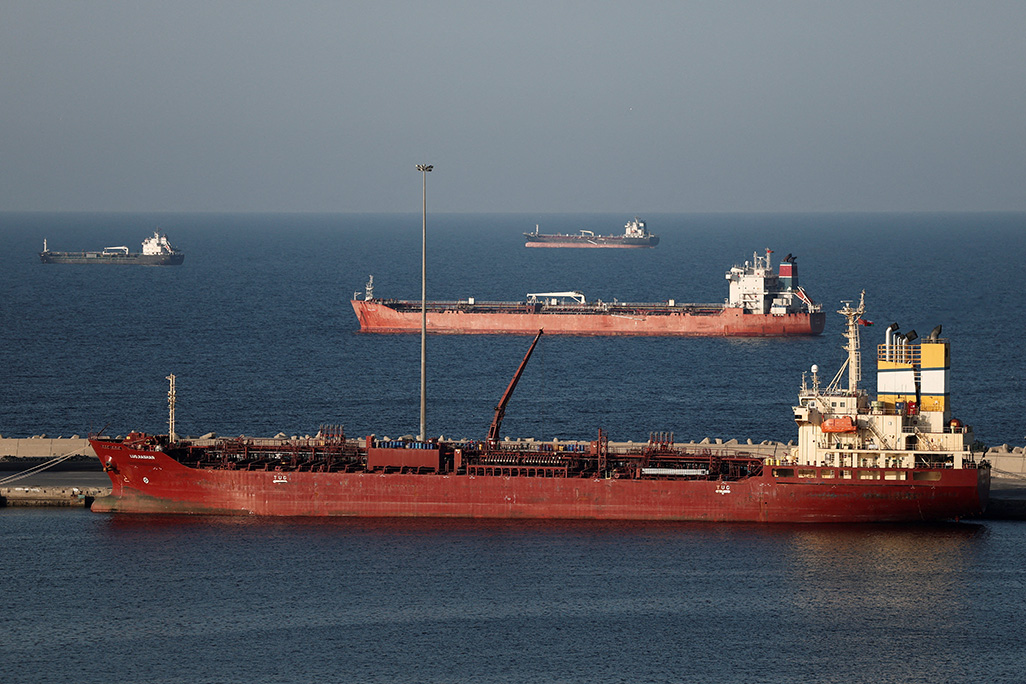
International Maritime Organisation (IMO) Secretary-General Arsenio Dominguez urged de-escalation in the Gulf region and called for immediate action to protect seafarers, warning delegates at an extraordinary session of the IMO Council in London that “time is short”.
Opening the 36th extraordinary session of the Council, Dominguez said he felt “grave concern and deep sadness” over the recent attacks on merchant ships in and around the Strait of Hormuz, which have reportedly left at least seven seafarers dead and several others seriously injured.
His thoughts, he said, were with the families and loved ones of those affected, as well as with the wider maritime community mourning the losses.
At the same time, he pointed to the mounting pressure on crews still trapped in the region, saying that around 20,000 seafarers remain stranded inside the Persian Gulf aboard vessels, exposed to high risk and “considerable mental strain”.
However, Dominguez said, they continue to carry out their duties with professionalism and resilience, while he continues to monitor developments closely.
He repeated his call for shipping companies to exercise extreme caution when operating in the affected area and, where possible, to avoid passing through it altogether.
“I will never get tired of repeating myself when I say that any attack on innocent seafarers or civilian shipping is totally unacceptable,” he said, adding that “They must not become victims of broader geopolitical tensions.”
He therefore urged all parties to work towards de-escalation and to allow crews to leave the Gulf safely on board their ships.
Addressing member states, Dominguez said the Council meeting offered an opportunity for dialogue and for focusing on solutions “acceptable to all parties” in order to protect innocent seafarers, navigational safety and the marine environment.
In that context, he called on delegates to concentrate on “substantive deliberations and practical measures” linked to the proposals before them, adding that “time is short and we all bear a serious responsibility towards the affected seafarers”.
Dominguez also warned against false or misleading information, saying he had publicly urged all stakeholders to remain vigilant against disinformation and to rely only on “verified, authoritative sources” when making operational decisions.
To support that effort, he noted, the organisation has made available a dedicated webpage with regularly updated and verified information on the evolving situation.
He went on to express solidarity with crews still keeping global shipping moving under exceptionally difficult conditions, describing the situation as “unacceptable and unsustainable”.
“Shipping has demonstrated time and time again how resilient it is, but geopolitics are testing the sector to the limit,” he said.
“And every time shipping is used as collateral damage in these conflicts, the whole world is negatively affected, from the global economy to food security,” he added, emphasising the importance of freedom of navigation, seafarers and the sector as a whole.
Dominguez also expressed confidence that, under the leadership of Council chair Victor Jimenez Fernandez of Spain and vice-chair Amane Fethallah of Morocco, the session would achieve its aims, while assuring delegates of the Secretariat’s full support throughout the proceedings.



Click here to change your cookie preferences