
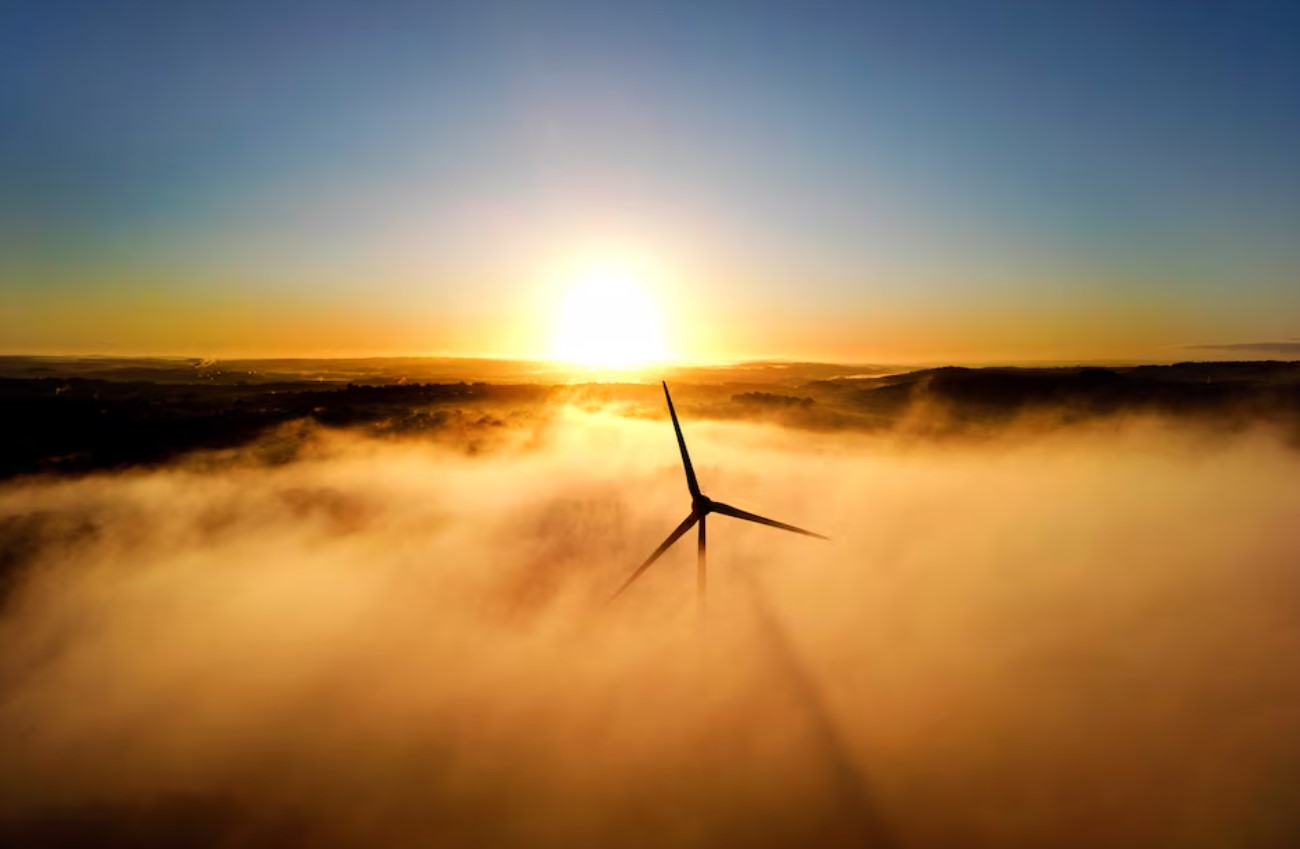
War in Iran and the related surge in fossil fuel prices have driven some politicians to push for more renewable energy in Europe, yet market volatility, an expected rise in interest rates and sluggish permitting make investors wary.
Nearly a month into the conflict that caused the biggest energy market disruption in history, countries reliant on oil and gas imports are seeking alternatives and trying to scale up green energy to ensure supply security for the future.
While the longer-term shifts are clearer, the shorter-term picture is mixed as surging prices – crude is up more than 50 per cent and gas more than 60 per cent since the war began at the end of February – drive inflation and interest rate expectations.
“There’s a renewable paradox at play,” said Luca Moro, chief investment officer at energy transition fund SpesX, as higher power prices boost earnings but higher capital costs can “undermine project economics”.
RENEWABLE ENERGY’S DISCOUNT NARROWS FOR SOME
The financial markets are pricing in two to three rate hikes by the European Central Bank and two by the Bank of England this year.
The flux is visible in market pricing, with listed renewable energy infrastructure funds trading at an average 40.8 per cent discount to their net asset value. That discount has narrowed slightly for some companies but not for all over the last month.
Among them, Greencoat UK Wind (UKWG.L) trades on a 26.5 per cent discount, Renewables Infrastructure Group (TRIG.L) on 36.3 per cent, Foresight Solar (FSFL.L) on 38.8 per cent and NextEnergy Solar (NESF.L) on 47.3 per cent, according to Winterflood data.
Funds focused on energy efficiency and battery storage trade at an average discount of 52.1 per cent and 36.8 per cent, respectively.
The Solactive European Green Deal Selection Index (.SOEUGD), which tracks companies set to benefit from the European Union’s policy framework on renewables, bounced back after an initial selloff, but is still down 5.8 per cent this month, broadly in line with a roughly 5 per cent decline in the MSCI World Index (.MIWO00000PUS).
An EU Grid Package, which aims to fast-track projects, as well as plans for a further 75 billion euros ($87 billion) in clean energy financing from the European Investment Bank, also provide support over the long term.
LENGTH OF THE IRAN CONFLICT WILL DETERMINE DIRECTION
The duration of the Iran conflict will be crucial in determining the future direction of the market, Guinness fund manager Jonathan Waghorn said. On Wednesday, Iran rejected negotiations to end the war.
“We see higher European gas prices, we see higher European electricity prices as a direct result. If it is a longer-term issue, then clearly that is going to incentivise that much more in terms of renewable supply.”
Some renewable projects could need to refinance given their original terms would have been based on much lower interest rates.
Research from Wood Mackenzie on the US market said if interest rates rose 2 per cent, the lifetime cost of producing electricity from new renewable projects could increase by an estimated 20 per cent.
While a higher cost of capital could impact existing asset valuations, new projects would “be priced accordingly” and therefore reflect the increased financing costs, Tony Dalwood, chief executive at investor Gresham House, said.
CAN PERMITTING GET QUICKER?
For Europe’s politicians to succeed in scaling up renewables – which was already a priority because of the Ukraine war – much will depend on how quickly they allow new projects to go ahead.
The bloc aims to conclude talks to speed up the pace of permitting for grids, renewables, storage and recharging stations by the end of the year, as deployment rates are well behind target.
Analysis by trade group SolarPower Europe last July said permitting delays can be as long as four years. A report by its peer Wind Europe in February this year said permitting was getting slower in most of the bloc.
“The single biggest unlock is faster, predictable permitting – especially for grid upgrades, tie-ins, and storage – which expands the investable pipeline and supports reliable, affordable power for new loads,” James Janoskey, Global Co-Head of the Natural Resources Group at JPMorgan, said.



Click here to change your cookie preferences