
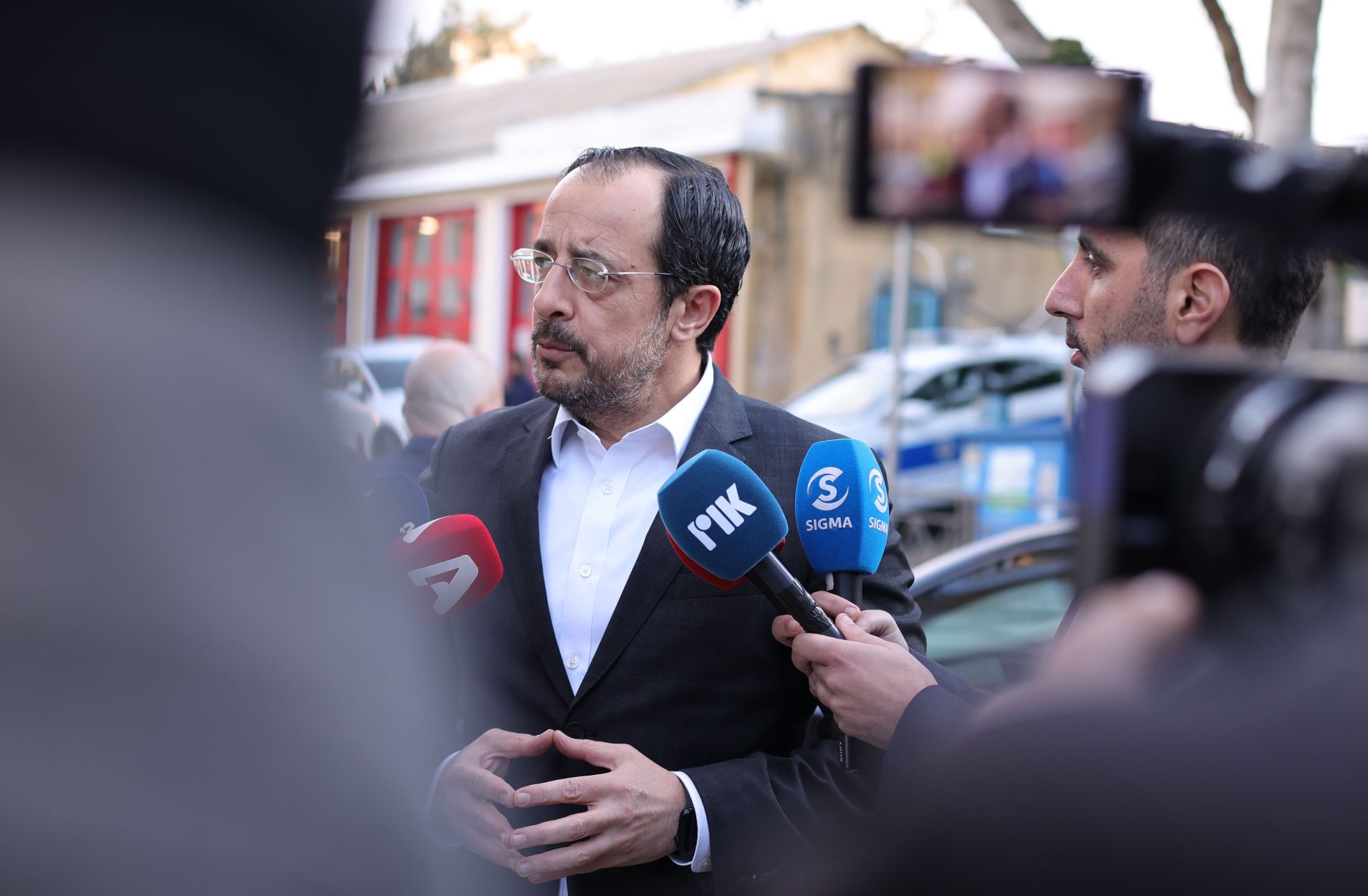
The government came under pressure to come up with support measures that will supposedly help people cope with the rising prices. President Nikos Christodoulides, in a video message, personally announced the eight measures the council of ministers approved on Thursday, saying that the total cost of these and support measures already in place was in the region of €200 million.
In the message, the president repeatedly referred to the “responsible economic policy” of the government which ensured high growth rates, a fiscal surplus and low inflation and “allowed the optimal management of the consequences of regional developments and boosted the ability of the economy to face external upheavals.” From the first moment, “our government moved with responsibility and planning, both in terms of initiatives for stability in the region, and in terms of support for society,” he said.
The main measures are horizontal. The VAT on electricity bills will be reduced to five per cent, from May until next March, while the consumer tax on fuel will be reduced by 8.33 cents per litre for the next three months. The price of petrol per litre has increased by more than double this amount in the last few days so all that the tax cut will achieve is to moderate the price hike. As regards lower VAT on electricity bills, the biggest benefit will be for people with big houses and high bills, but again we suspect the measure will make the price increase a little smaller.
Two other measures affected the general population. VAT on meat, poultry and fish had been cut to zero and the plan to introduce a green tax on fuel (9 cents per litre) was scrapped. The other measures would benefit hotels and airlines, while farmers will get a 15 per cent subsidy on the cost of fertilisers and other farm supplies. Why hotels which are open in April will have 30 per cent of the payroll covered by the state is difficult to understand, but it may have been an attempt to reward hoteliers that will not stay closed next month because of the situation.
All measures announced with great pride by the president on Thursday could be described as drops in the ocean for most people, as they would limit the price rises, and people would still be paying more for electricity and petrol. The measures appear more like a publicity exercise, the president wanting to be seen to be doing something about the rising prices. Opposition parties had been calling for relief measures, and he needed to do something.
To its credit, the government showed restraint in deciding the relief measures, even if it could come under criticism, supposedly, for not doing enough to support people. On the plus side, public finances will be unaffected by the latest measures.




Click here to change your cookie preferences