
Greece and Cyprus are especially exposed to geopolitical shocks from the Middle East because tourism and shipping play an outsized role in both economies, despite a period of resilient growth, according to a report by Morningstar DBRS.
The agency said disruptions to shipping and air travel are raising costs and weighing on both freight rates and tourist flows, with Cyprus seen as more vulnerable because of its proximity to the conflict zone.
It also warned of rising credit risks for banks, particularly in Cyprus, where lenders have a heavier concentration of loans tied to tourism.
At the same time, Morningstar DBRS said banking systems in both countries remain supported by strong profitability and solid capital buffers, leaving them better placed to absorb a tougher operating environment.
Tourism and shipping carry far more weight in Greece and Cyprus than in most European Union economies, the report said. Tourism’s importance is reflected in the large share of accommodation and food services in gross value added, although its effect extends well beyond hotels and restaurants into transport, entertainment and private consumption more broadly.
Shipping, while smaller than tourism in economic terms, also remains significantly more important in both countries than in most of the bloc.
Morningstar DBRS said the latest developments are likely to hit tourism, which has been a key driver of growth in both economies in recent years. It added that “the fallout is expected to be sharper in Cyprus because of its geographic closeness to the Middle East.”
According to the Central Bank of Cyprus’ (CBC) latest macroeconomic projections, real GDP growth for 2026 was revised down by 0.3 percentage points to 2.7 per cent, based on the assumption that the conflict would last around two months before gradually easing.
In Greece, the Bank of Greece estimates economic growth at 1.9 per cent in 2026, down from an earlier forecast of 2.1 per cent.
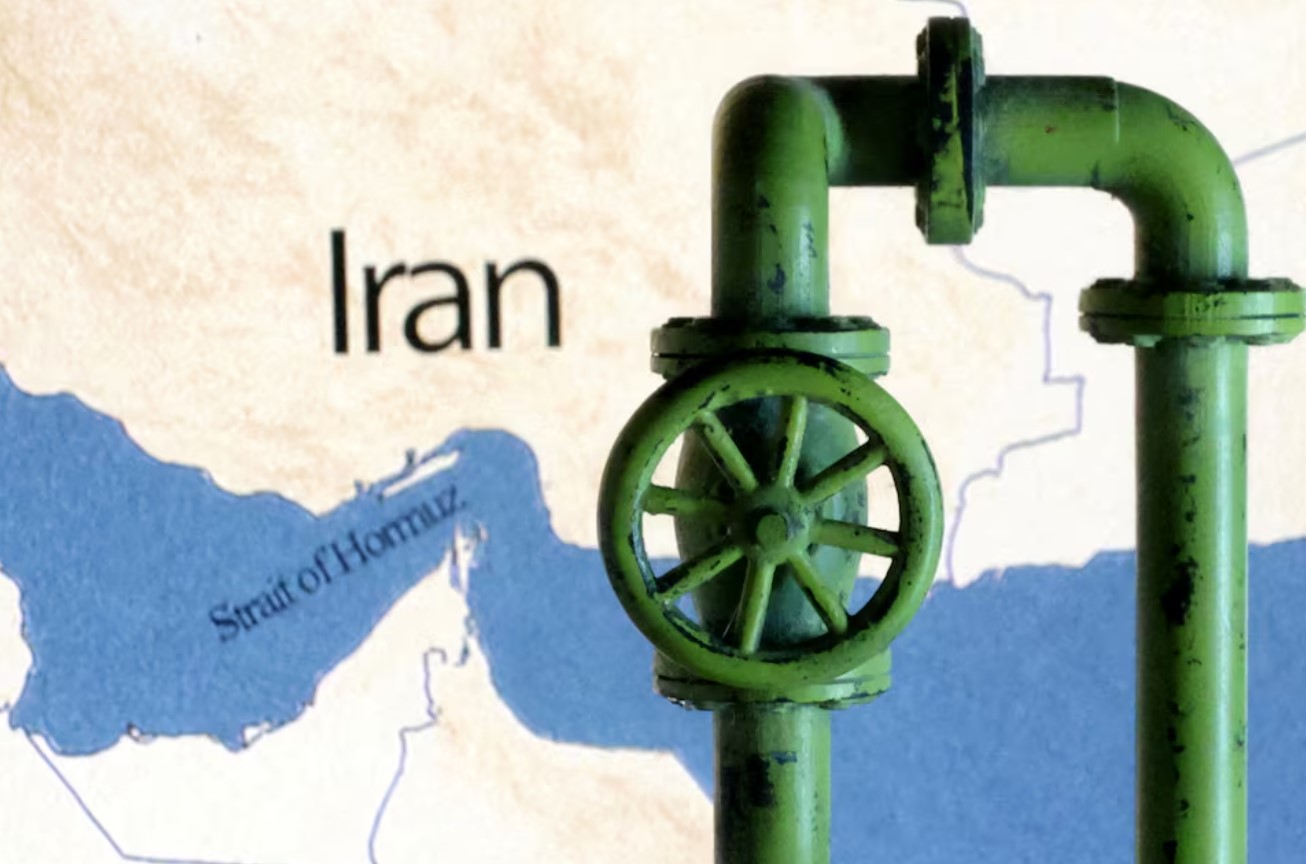
The rating agency said the conflict and the effective blockade of the Strait of Hormuz following US and Israeli attacks on Iran have intensified disruption across shipping markets. Tankers and container vessels are being forced to reroute, suspend bookings and absorb higher security and insurance costs.
While the closure of the strait mainly affects oil flows, container lines operating in the Gulf have once again turned away from the Red Sea and opted for the longer route around the Cape of Good Hope.
That, Morningstar DBRS said, has overturned earlier expectations that trade lanes would normalise and capacity would rise, easing freight rates.
Instead, longer voyages, higher fuel consumption and rising war-risk premiums are pushing freight costs higher. The agency also referred to reports that Iran has begun imposing informal charges of around $2 million per vessel for transiting the Strait of Hormuz, equivalent to roughly an extra $1 per barrel of oil.
A significant share of shipping activity in the region involves vessels of Greek interest, according to the report, meaning that if such costs persist, shipowners are likely to come under growing pressure on margins, with part of that burden potentially passed on through higher freight rates.
Morningstar DBRS added that the continued use of the Cape route is now expected to become the “new normal” in the medium term, making traffic losses for eastern and central Mediterranean ports difficult to reverse.
In Greece, Piraeus has been hit disproportionately, with container volumes falling as major shipping lines bypass regional transshipment hubs in favour of western Mediterranean ports.
Limassol, meanwhile, has also lost volumes since 2024 despite efforts to expand capacity, the report said.
The report also pointed to mounting disruption in aviation and tourism. Escalation in the region has led to widespread airspace closures, causing severe disruption to international travel and forcing airlines to cancel, suspend or reroute flights.
That has broader consequences for tourism, the agency said, because longer routes increase fuel use, raise operating costs and reduce connectivity, ultimately feeding through to higher fares and weaker demand.
Although both Greece and Cyprus have recorded historically strong tourist arrivals in recent years, Morningstar DBRS said Cyprus is more exposed because it relies more heavily on specific source markets such as Israel, leaving it more vulnerable to flight cancellations and airspace restrictions.
It added that travel agencies and tourism operators are also coming under pressure from higher costs, unstable flight schedules and tighter profit margins, particularly where they are unable to pass those costs on to customers.
The agency noted that both countries continue to be regarded as safe destinations overall, but said heightened geopolitical tension has led some travellers to delay or cancel trips because of security concerns.
It said the main risk for aviation and, by extension, tourism is a prolonged rise in fuel costs combined with continued operational uncertainty, which could curb leisure travel demand if the conflict drags on.
For banks, Morningstar DBRS said exposure to the transport and storage sector accounts for a meaningful share of corporate lending in both Greece and Cyprus, above the European average. Loans to accommodation and food services are also significantly higher than the EU norm.
Greek banks are more exposed to shipping, though the agency noted that this business is largely international and backed by assets. Shipping loan books are concentrated mainly in tankers and dry bulk vessels, with less exposure to the more volatile container and passenger segments.
Higher freight rates and longer sea routes are temporarily supporting shipowners’ revenues and debt-servicing capacity, giving banks some short-term relief on asset quality.
However, Morningstar DBRS said rising fuel and insurance costs, together with any drop in trade volumes, could erode profitability and increase credit risks over time.
Cypriot banks, by contrast, have less direct exposure to shipping and are affected more through related activities. Their bigger vulnerability lies in tourism, where a prolonged decline in visitor flows would hit small and medium-sized businesses, household income and property prices, putting more pressure on loan books.
Morningstar DBRS said early signs suggest Cyprus is already seeing a steeper drop in travel demand and higher cancellation rates because of its location and the perception of increased regional risk.
In Greece, the impact is expected to be more manageable in the near term, helped by lower banking exposure to tourism and the possibility that the country could benefit from a shift in demand away from destinations more directly affected by the conflict, provided inflation remains contained and Greece itself is not drawn in.
The agency said asset quality has improved markedly in both countries in recent years, with non-performing loan ratios in key sectors now below the European average.
Beyond the immediate effects, Morningstar DBRS said the conflict is also generating secondary pressures through higher energy costs, stronger inflation, slower growth and supply-chain disruption.
Monetary policy will therefore be crucial. While higher interest rates aimed at containing inflation could lift bank profitability in the short term, the agency warned that they would also weaken loan demand, raise funding costs and weigh on asset quality over time.
Ultimately, Morningstar DBRS said the duration of the conflict and the risk of further escalation in the Middle East will determine how deep the economic and banking impact proves to be for both Greece and Cyprus.





Click here to change your cookie preferences