
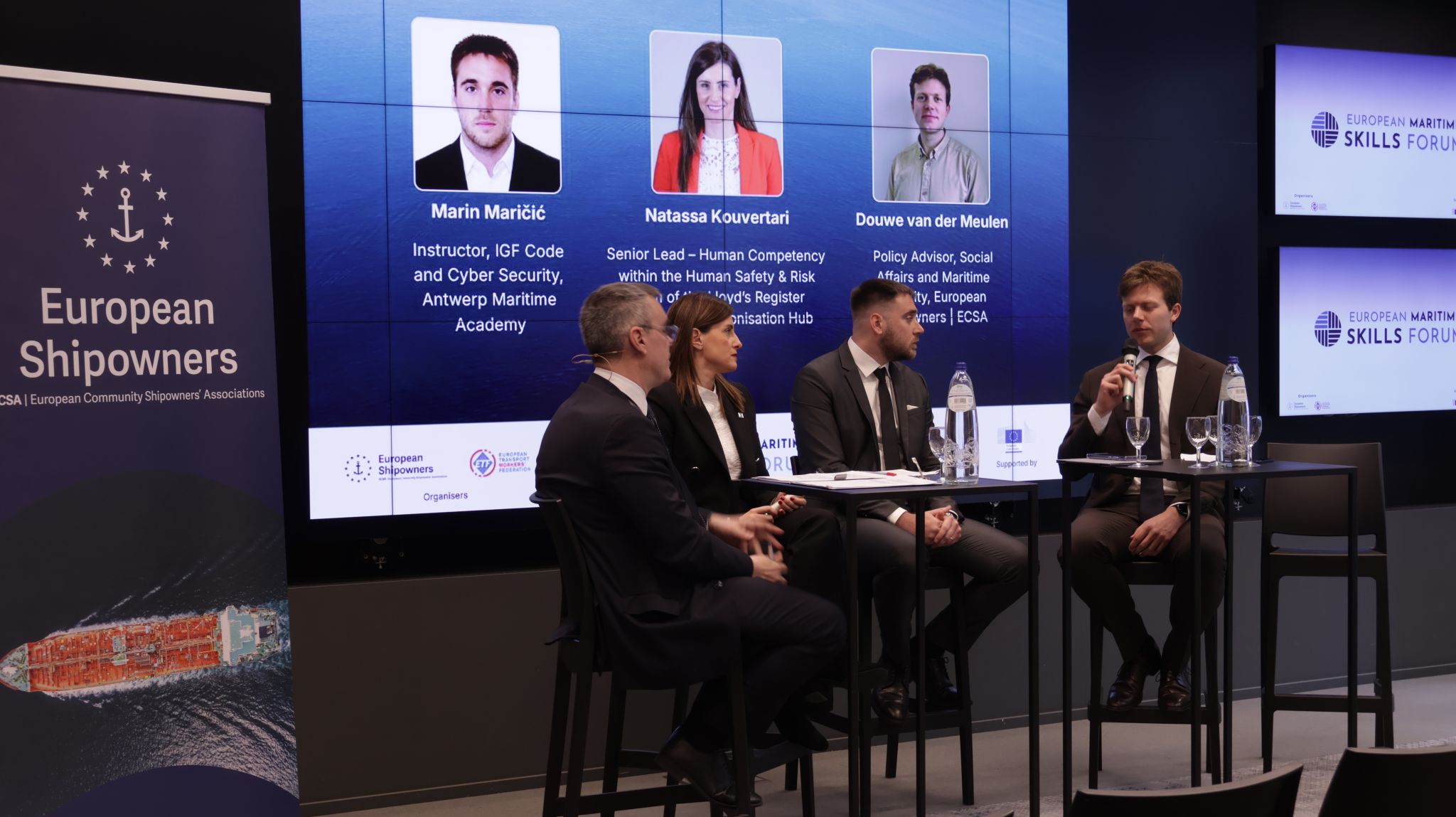
Cyprus used its participation in the European Maritime Skills Forum in Brussels this week to push for stronger maritime education and workforce development, as the country continues to place seafarers at the centre of its EU Council Presidency agenda.
The Deputy Ministry of Shipping said it had contributed actively to discussions on maritime education and the development of human resources in the European shipping industry, while stressing that investment in people remains essential to the sector’s resilience and competitiveness.
It added that the Cyprus Presidency of the Council of the EU has, from the outset, placed seafarers at the heart of maritime competitiveness, promoting initiatives such as the Nicosia Declaration to upgrade skills, strengthen inclusion and create development prospects in support of the green and digital transition.
The ministry said that, with the resilience of the maritime sector in focus, investment in people remains a key prerequisite for a modern and competitive shipping industry.
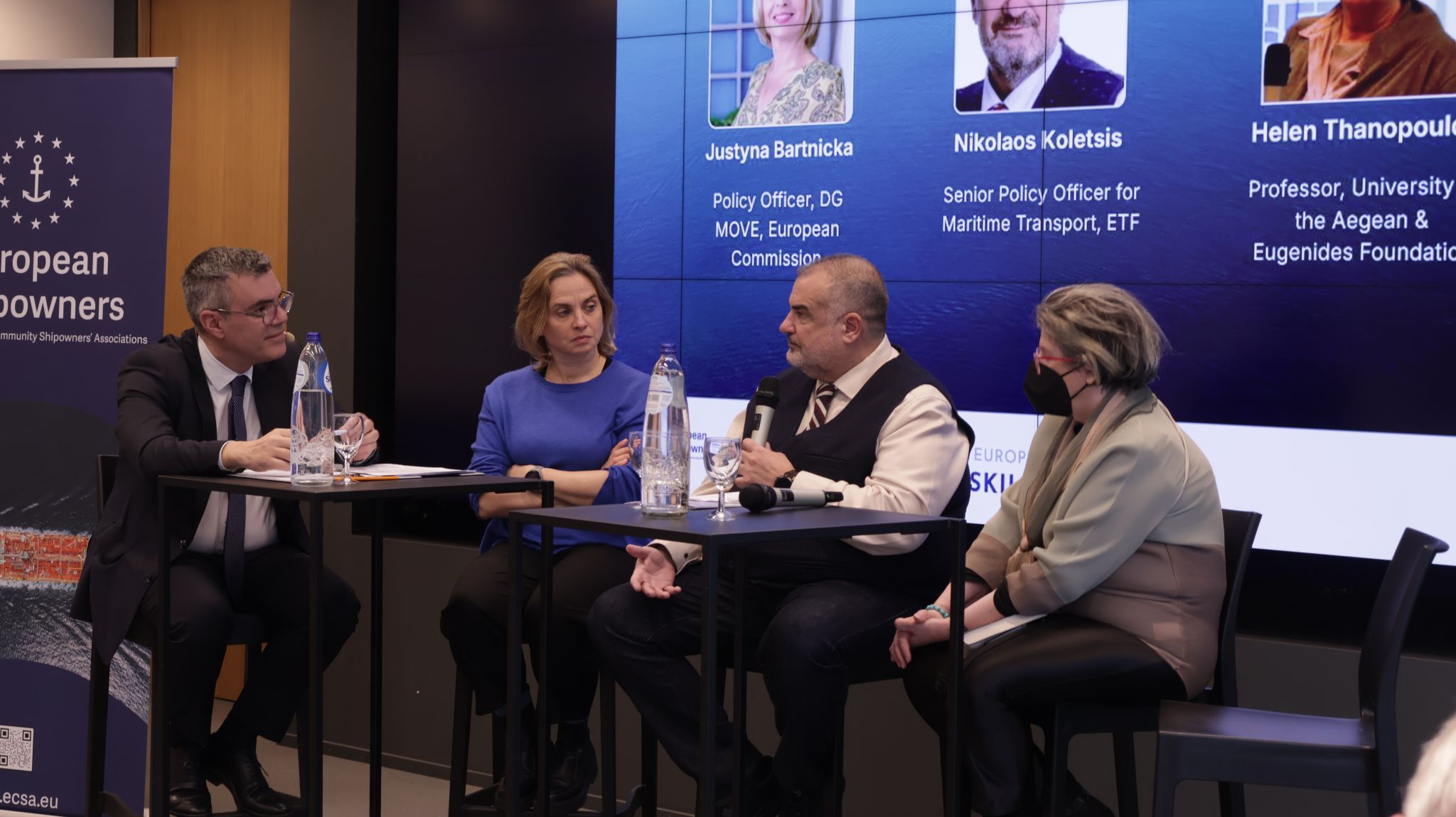
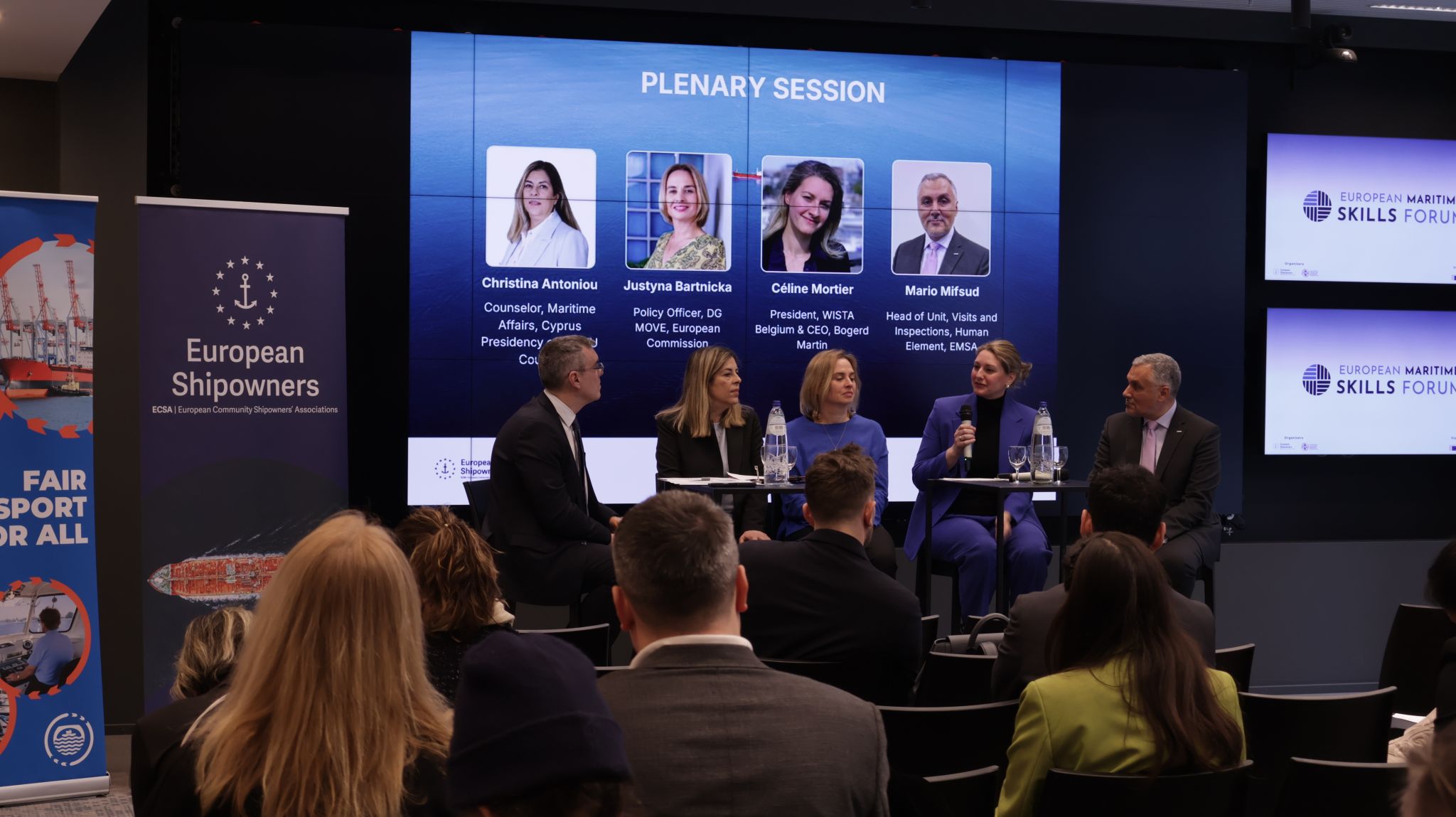
The message came as European Shipowners and the European Transport Workers’ Federation (ETF) reaffirmed their joint commitment to the upskilling and reskilling of seafarers during the forum’s second plenary session.
According to the Draghi report, around 250,000 seafarers in Europe will need to be upskilled or reskilled over the next decade.
At the same time, the recently published European Industrial Maritime Strategy pointed to the need to identify current and future skills gaps and develop targeted training programmes for the maritime workforce.
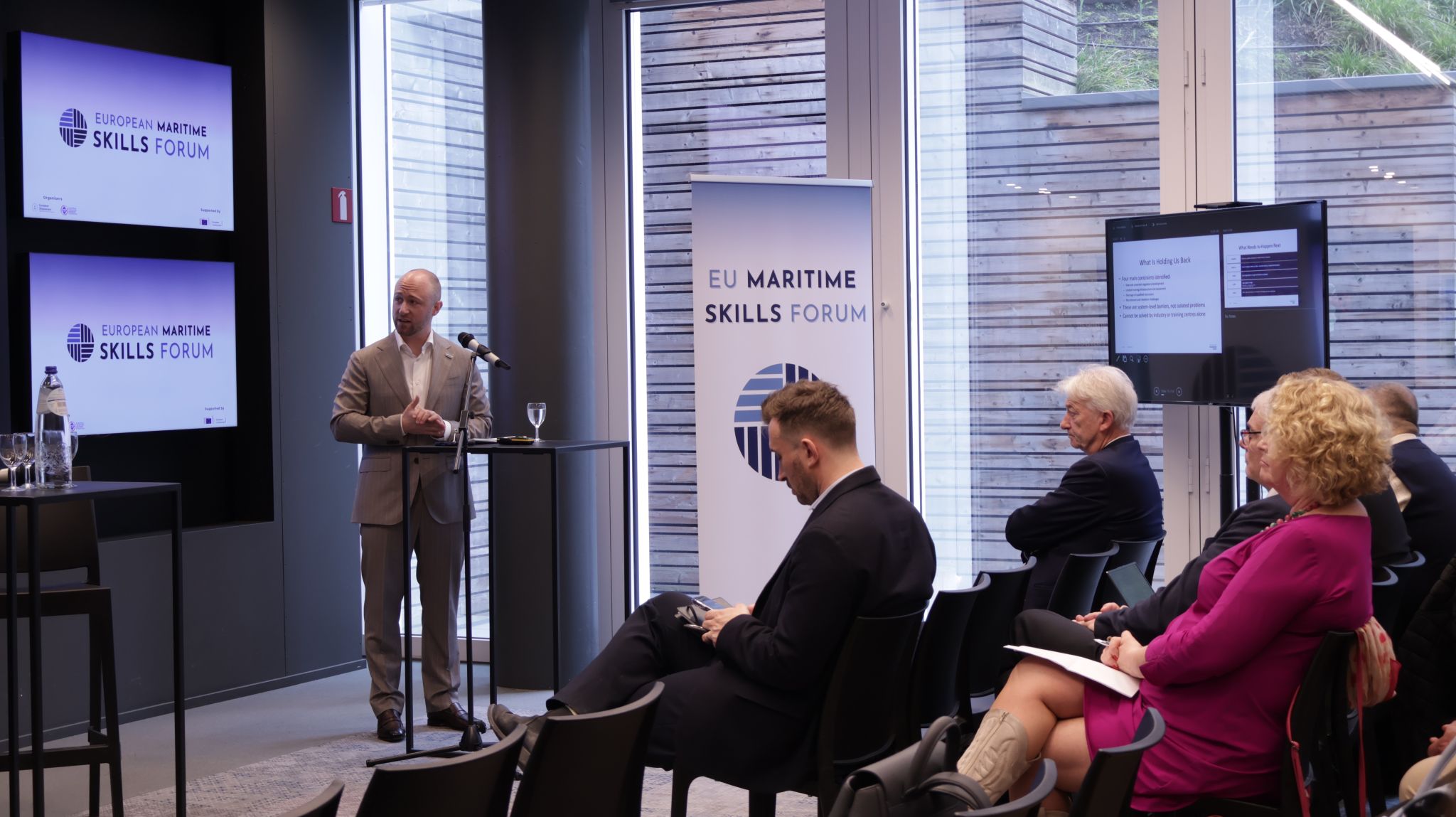
The European Maritime Skills Forum, a joint initiative of ETF and European Shipowners ECSA, brings together industry, transport unions, seafarers, policymakers and maritime training centres across Europe under the umbrella of the Maritime Education and Training Network (MET-NET).
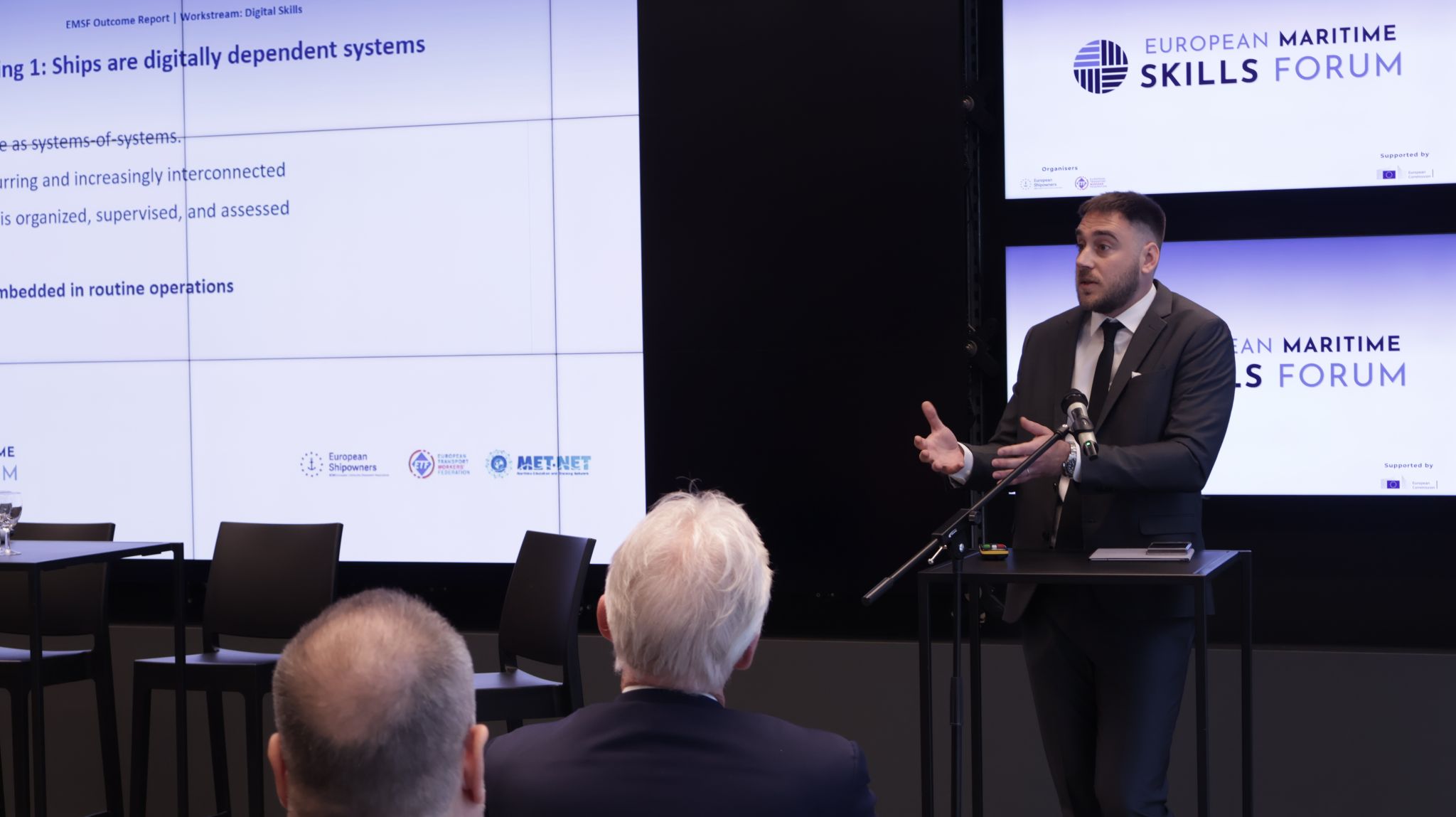
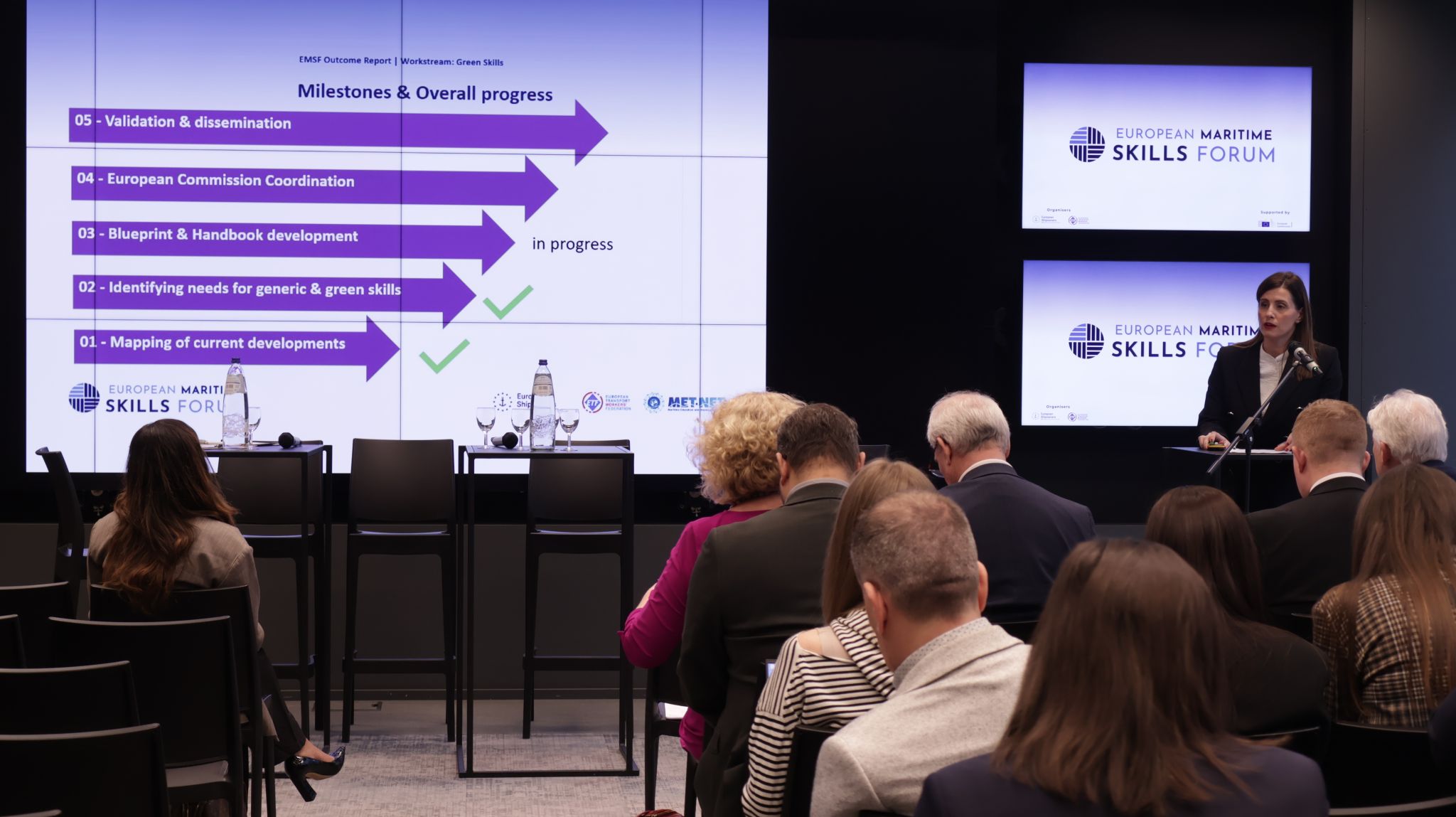
During the Brussels plenary, its workstreams presented a first set of recommendations on green skills, digital skills, and leadership and inclusion.
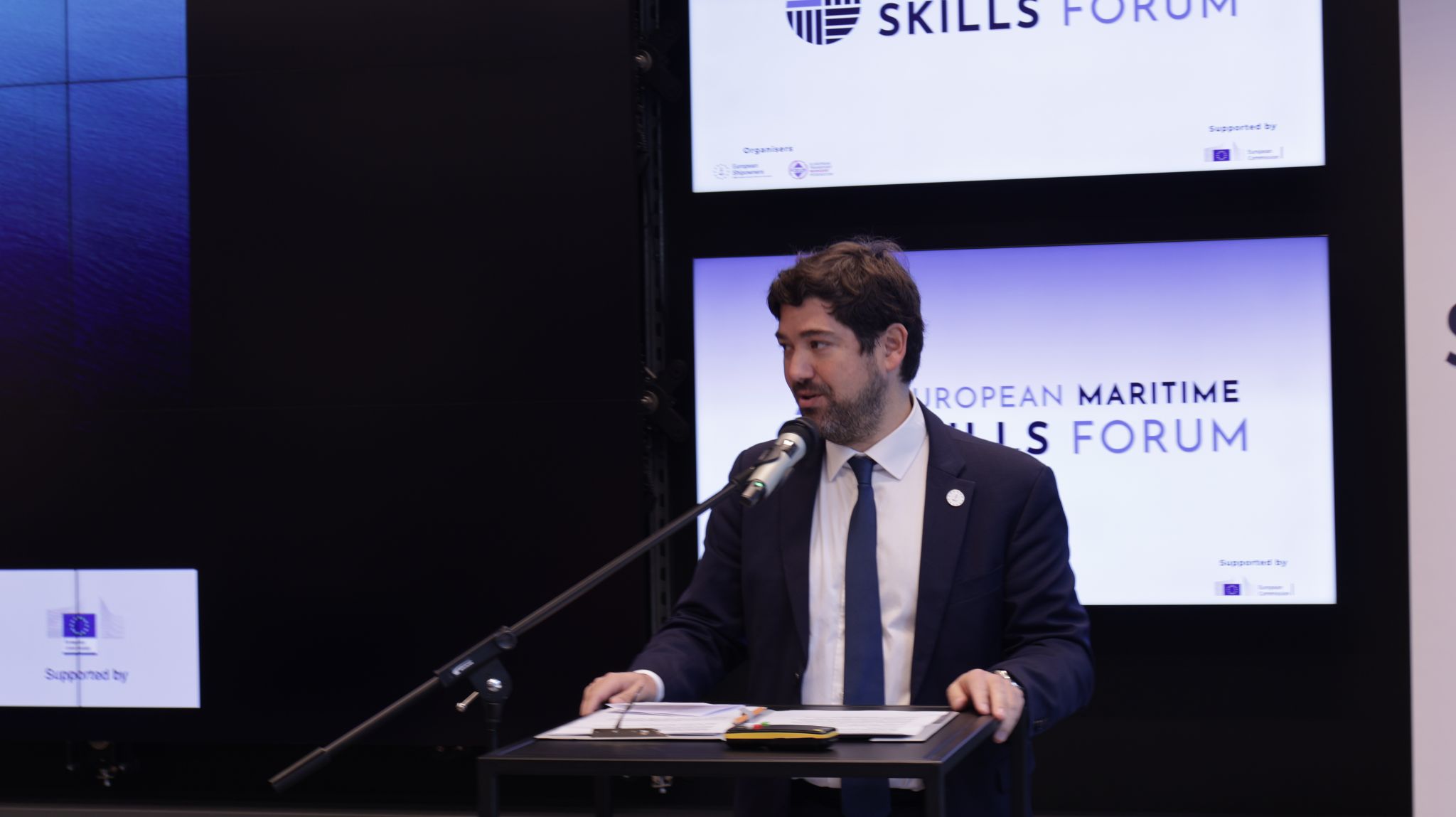
Livia Spera, general secretary of the ETF, said “seafarers must be at the centre of every decision we make about the transition ahead”, while stressing that upskilling and reskilling programmes must be concrete, inclusive and fit for purpose.
She added that, behind every automated system, green fuel and innovation, there are people making critical decisions, and that the industry must invest not only in smarter ships but also in a stronger, more capable and more supported workforce.
Spera also said the forum shows what can be achieved when shipowners, unions and academia work together with a common purpose, adding that it responds to the need identified in the Industrial Maritime Strategy for closer cooperation in designing future-proof training.
For his part, Sotiris Raptis, secretary general of European Shipowners ECSA, said the forum showed the commitment to upskilling and reskilling was moving “from words to action” as the green and digital transition reshapes maritime operations.
He added that the transition also offers an opportunity to increase diversity in the sector, while making clear that diversity is not “a luxury” but “a business necessity”.





Click here to change your cookie preferences