
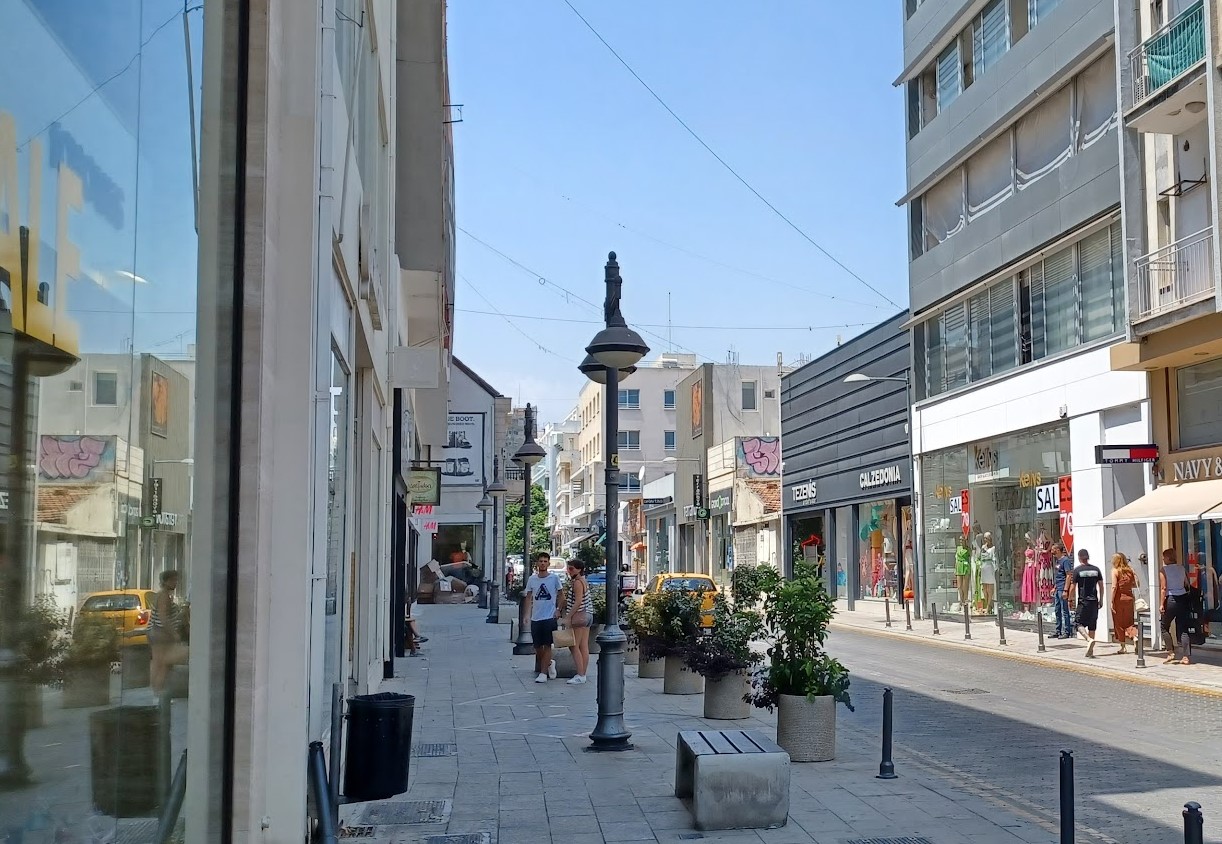
Cyprus’ Easter retail market held up at satisfactory levels, without major problems, despite concerns linked to the war in the Middle East and foot-and-mouth disease, according to retail trade association Pasyle.
Speaking to the Cyprus News Agency (CNA), Pasyle’s secretary general Marios Antoniou said that “the sector had faced different conditions this year compared with previous Easter periods, although retail had already weathered a series of crises in recent years.”
He added the supply chain had not been disrupted and there had been no shortages in the market.
“Despite all the concern, at least so far, the supply chain was not disrupted. There was an abundance of products in the market, we did not have any shortages,” he stated.
Antoniou also said there had been no broader price increases, adding that higher lamb prices were linked to foot-and-mouth disease rather than the regional conflict.
“The increases that occurred in lamb had nothing to do with the war, but with the issue of foot-and-mouth disease,” he noted.
At the same time, Antoniou said the new conditions were affecting consumer psychology, which in turn influences spending. Still, he said “both traffic and consumption moved at satisfactory levels overall, with supermarkets and shopping centres recording enough footfall.”
He added that Easter cannot be compared with Christmas, which remains the busiest period for retail, as Easter tends to benefit supermarkets, bakeries and butcher shops more than other parts of the sector.
“Under the circumstances, we are quite happy,” he said.
For the rest of retail, including clothing and footwear, Antoniou said “weather conditions had played an important role, with lower temperatures discouraging consumers from shopping for new seasonal collections.”
“The low temperatures did not help people to go out to shop for the new collection. We expect that in the immediate future, when the temperature stabilises, traffic in these areas will increase,” he said.
However, he said shops in purely tourist areas performed at lower levels, as they are directly tied to tourism activity.
“April was lost due to hotel cancellations and retail trade was also affected,” Antoniou said, adding that retailers hoped for an improvement in tourism, since tourist spending also supports trade, particularly in heavily tourism-dependent areas.





Click here to change your cookie preferences