
By Myrto Skouroupathi
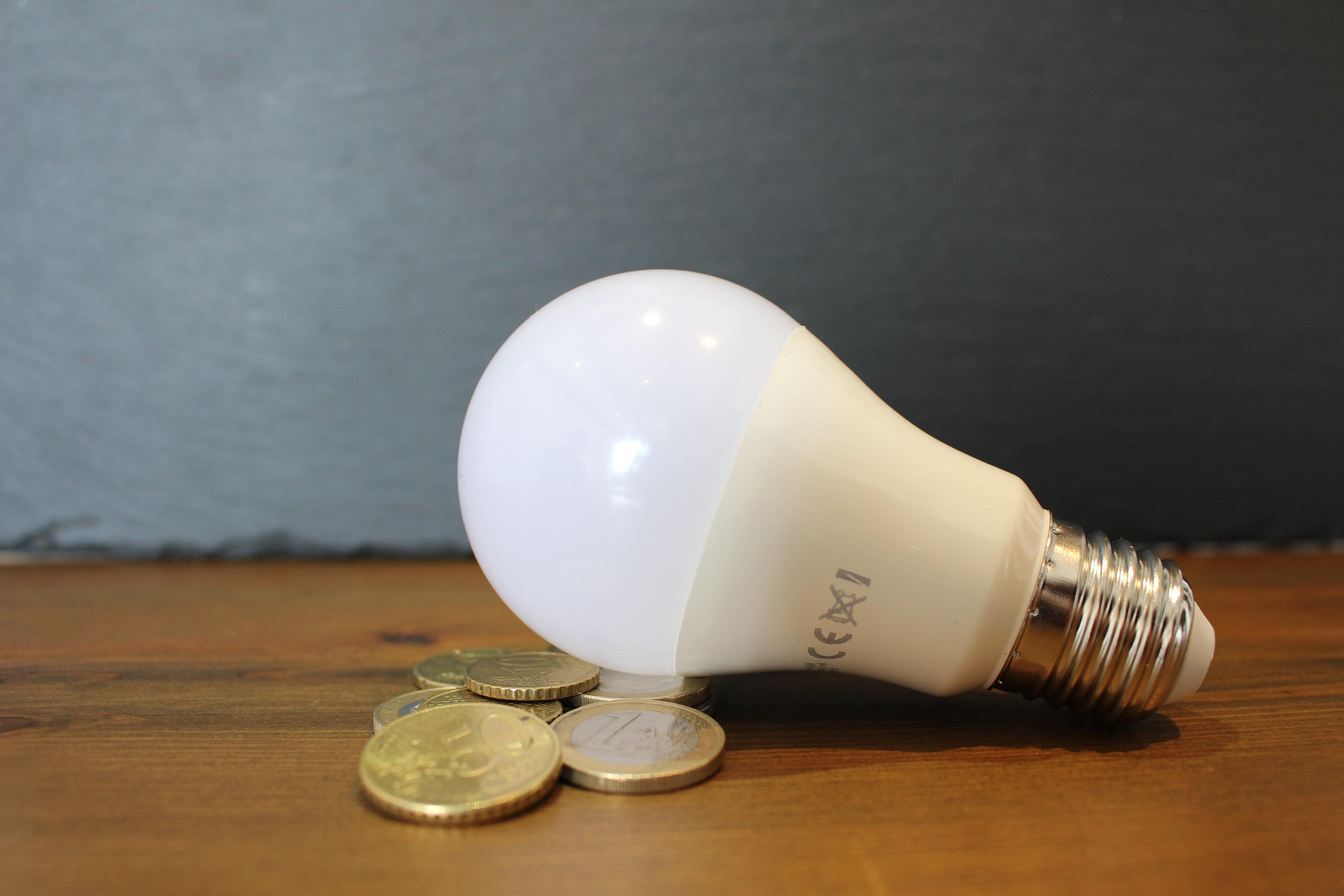
Energy poverty is defined as the inability of a household to access essential energy services, such as heating, cooling and electricity, required for a decent standard of living and health.
Three main factors contribute to energy poverty: a high proportion of household expenditure spent on energy, low income, and the poor energy performance of buildings and appliances.
These factors show that energy poverty is linked both to broader poverty and to specific issues related to household energy use.
Let’s analyse these separately:
At its core, energy poverty falls under the wider umbrella of social inequality. Households with higher disposable incomes are generally able to meet their energy needs and invest in upgrades that improve energy efficiency.
By contrast, low-income households are often forced into difficult choices, such as whether to pay for food or heating.
Energy upgrades are frequently out of reach, while the so-called “poverty premium” means they may end up paying more in the long term.
For example, lower-income households often purchase less efficient appliances because they are cheaper upfront, even though they consume more electricity over time.
This may partly explain why vulnerable households in Cyprus sometimes record slightly higher average electricity use than the general population.
In terms of specific considerations around energy use, we first turn our attention to the quality of housing. Since the first energy efficiency of buildings legislation in Cyprus was only passed in 2007, most houses built before then have no insulation.
This shows up in statistics, as Cyprus has the highest percentage of houses with mould and leaky roofs in the whole of Europe.
In many cases in Cyprus, however, energy poverty appears not as higher energy costs but as very low thermal comfort. Many of us have had the experience of being huddled up in one room with all the family, crouched over a heater, trying to keep warm.
This is a potential sign of energy poverty, as people prioritise lowering energy cost over having thermal comfort. Specific considerations also relate to the user. Each one of us has different energy needs and feel comfortable at different indoor conditions. Gender, age, and health are only a few of the factors that affect these needs. Habits and routines also play a role. How much time do we spend indoors, how much we exercise. This is important to consider when trying to tackle energy poverty, as we often observe an overlap of vulnerabilities which worsen the phenomenon.
For example, many people with disabilities and chronic health conditions need medical equipment which uses electricity, therefore inadvertently have higher energy needs. The same people often face social exclusion and thus spend more time at home, which further increases their energy consumption.
So, taking the complexity of the issue into account, what can a government do to tackle energy poverty at its core? Here are a few ideas:
- First, energy efficiency must be prioritised. Large-scale renovation of existing housing stock is essential. According to the national building renovation plan, the renovation rate must increase significantly to meet EU targets. For vulnerable households, grants covering up to 100 per cent of renovation costs, along with broader financial incentives and targeted labour resources, will be necessary. Energy efficiency measures can reduce energy consumption by up to 60 per cent.
- Second, the cost of energy must be addressed. Energy democratisation is the way forward for local communities who want to break free from external dependence. Energy communities (i.e. people coming together to produce and share their energy) is one such tool, which, if implemented correctly, can significantly reduce energy prices and, also, turn any profits into investments back to the community. The proposed EU Grid Package also includes a clause for large private renewable projects for some of the produced energy to go back to the community in which they’re built. These solutions can have a long-term impact in the cost of energy, compared to emergency measures, such as bonuses.
- Third, broader cost-of-living pressures must be tackled. Without affordable housing, adequate wages and strong social protection systems, energy poverty cannot be sustainably reduced.
- Finally, better data and coordination are needed. Establishing a national energy poverty observatory would allow for effective monitoring, policy evaluation and coordination between government bodies, local authorities, researchers and civil society.
Energy poverty, social justice, democratisation – plenty of buzzwords. But the material reality of every 1 in 6 people in Cyprus (that’s how many are at risk of poverty) is harsh. And numbers are projected to rise, with increasing inequalities and back-to-back crises.
The technical solutions to eradicate energy poverty are known. The financial investment needed will be paid back manyfold in a future wellbeing society. All we need is the political will to start.
So, let’s get going.
Myrto Skouroupathi is an environmental engineer and climate change mitigation and mobility coordinator at the Cyprus Energy Agency, the local antenna of the Energy Poverty Advisory Hub




Click here to change your cookie preferences