
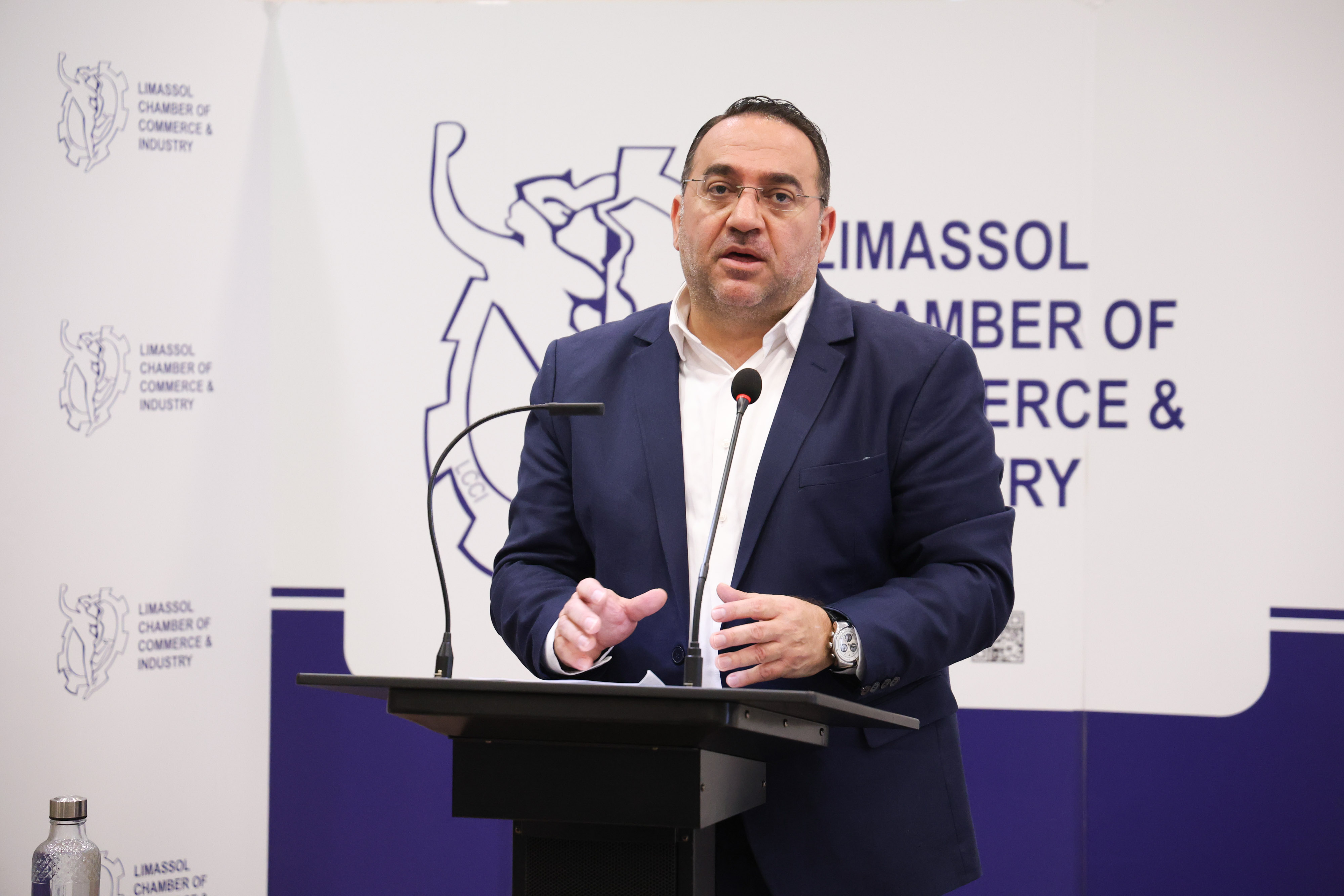
Things are not looking good for tourism at present and there does not seem very much the authorities can do about it. Although there are no figures to describe the general picture, reports from different sources give an indication of what is happening. Deputy Minister of Tourism Costas Koumis said tourist arrivals were down 30 per cent in March, while Famagusta district hoteliers report that bookings were down 40 per cent compared to the same period last year.
Everyone has blamed the fall in arrivals and bookings in the first quarter to the isolated drone strike on the British base in Akrotiri in early March, very soon after the United States and Israel began the bombing of Iran. It was heavily publicised in the UK, our biggest tourist market, because the drone had hit a British base and appears to have had an impact on holiday bookings. Our government’s decision to seek help from Greece, France and other European countries, which obliged by sending warships to protect the island, did not help either, as it created the impression Cyprus was in the war zone, and undermined the message that the island was safe.
While this has played a part in the decrease in bookings, there were other reasons also contributing. The war on Iran has disrupted international shipping, caused the price of oil to skyrocket and pushed up energy costs – all of which are fueling the inflations rates. In such conditions, people’s holiday plans would change – some may want to avoid the Middle East, some might not want to go too far from home, while others could decide not to holiday abroad this year.
There is another factor that will have a negative impact – the jet fuel crisis. Speaking to Politis last week about this, Koumis said that the world “is experiencing the biggest crisis ever faced by the airline industry.” This was no exaggeration. IATA’s (International Air Transport Association) Jet Fuel Price Monitor reported that the jet fuel price increased by 130 per cent year on year because of what is happening in the Persian Gulf, through which 20 per cent of the world’s oil and gas passes.
The spike in the price of jet fuel has forced airlines to cancel routes and increase air fares, but what is even more worrying is that this is not problem that will be solved as soon as the Strait of Hormuz is reopened. The International Energy Agency (IEA) warned that fuel prices “may remain high for a prolonged period given the damage to infrastructure.”
Air fares were continuously rising, negatively affecting demand, said Koumis, who did not see things improving in the immediate future. “Reduced demand has been recorded in April and I think it will continue in May and June but at a reduced rate.” The situation is largely out of the control of the authorities even though the deputy ministry was stepping up its promotion campaigns abroad as well as its contacts “with the country’s strategic associates.”
The objective, Koumis said was “to minimise any losses,” which is a pragmatic approach and this should be the guiding light of the tourism industry. Hoteliers associations are already seeking more state assistance, asking that the 30 per cent subsidy of payrolls that was in place for April be extended to May and also cover other tourism businesses. This will not solve the problem faced by the industry, but it would set a dangerous precedent, the state being expected to offer subsidies whenever something goes wrong in a sector of the economy.
We should bear in mind that nobody knows how long this crisis will last. There is no guarantee that the war will soon be over, the Strait reopened and jet fuel price back at pre-conflict levels any time soon. The government needs to exercise restraint and should resist the pressure of subsidising hotels and other tourist enterprises, which will have to find ways of coping with the situation on their own.
As Koumis said, everyone should work to minimise losses.





Click here to change your cookie preferences