
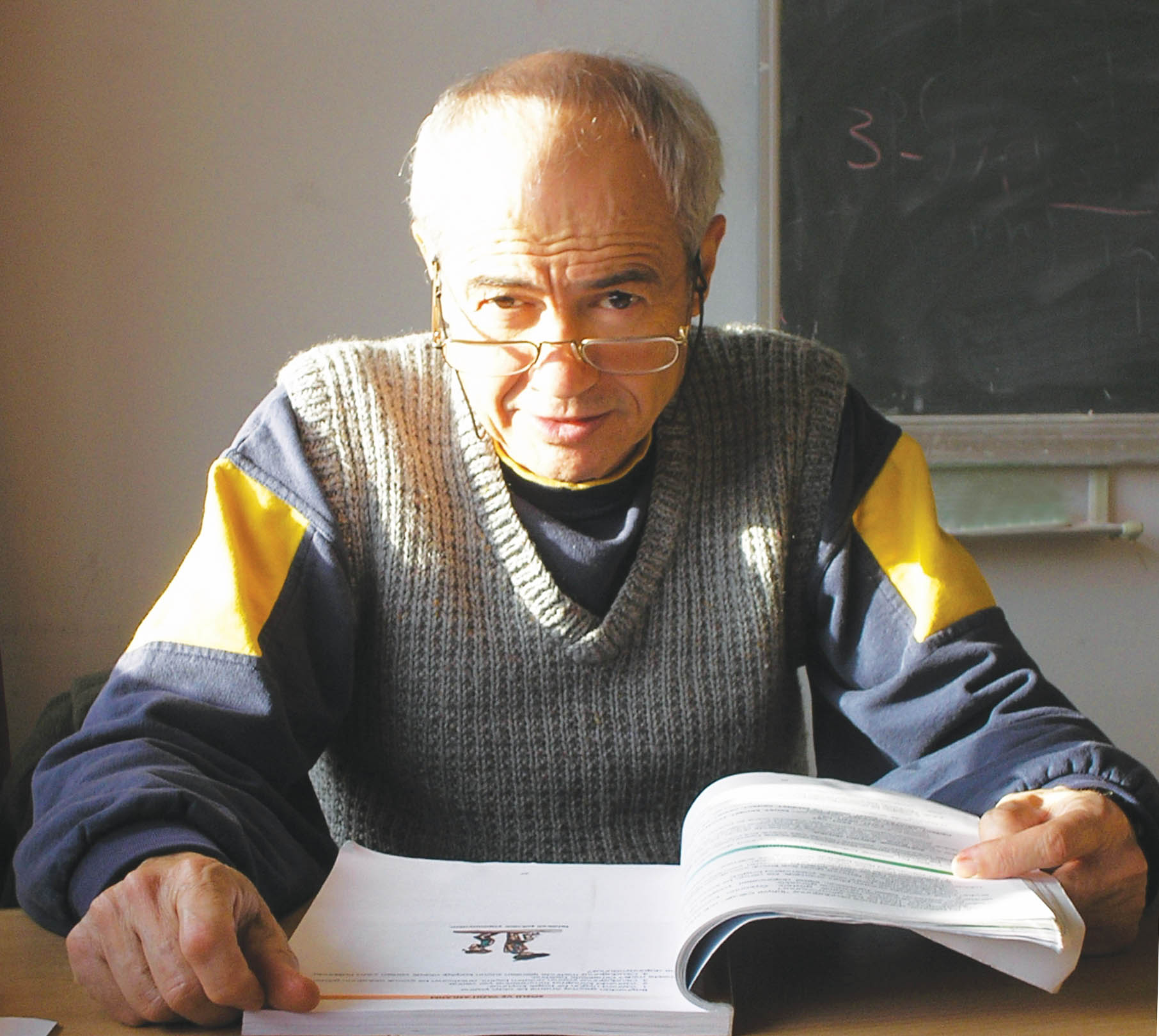
New book that is a fascinating account of the island’s multicultural past was produced after one local photographer went through countless family albums and archives, copied thousands of old photographs and studied old newspapers.
A chance encounter with a camera at the age of six marked the beginning of a lifelong adventure for Kadir Kaba, one that took him all the way from the small village of Mora where he was born, through the streets of London, and back to Cyprus where he is now recognised both as a renowned photographer and a leading expert in the history of Cypriot photography.
“There was a Turkish Cypriot villager who was visiting our neighbours in Nicosia,” 79-year-old Kaba recalls. “His name was Hamid Ucok. He owned a bar in Vasilia and was keen on taking pictures and filmmaking. He liked me very much and because I was interested he gave me his camera once and showed me how to press the buton. I loved it.
“That was my first time and it affected me very much.”
It was many years later before Kaba held a camera in his hands again. This time it was in London, where he had moved to as a young man supposedly to pursue his accounting studies. But first he had to work on his English language skills.
He was attending language classes and working at a dry cleaners. “My boss had a camera – a Russian Zenit, about which the English say: ‘built like a tank, works like a tank.’ And it was exactly that. The quality was perfect. One day he lent it to me. I went out and that was it. I saw people, streets, life – it was boiling. No more accountancy, money management, everything was finished! The next week I bought my own Zenit camera on an installment plan. It cost 15 English pounds. I was earning 35 pounds a week so I paid a weekly installment of one pound. It was very good for me.”
Young Kaba was hooked and on a roll. He started taking more and more pictures and soon developed such good skills in the dark room (and more) that he managed to get a job as a dark room printer with a well known Turkish Cypriot photographic studio in Finsbury Park called Wedding Bells. Wanting to know more, he enrolled in the School of Photography at Paddington College.
“I paid 9 pounds for my first year of studies, 12 for the second and the third year was 15.” It was a bargain, given that it meant he had free use of the dark room lab plus the paper and chemicals he needed to develp and print the photos he took.
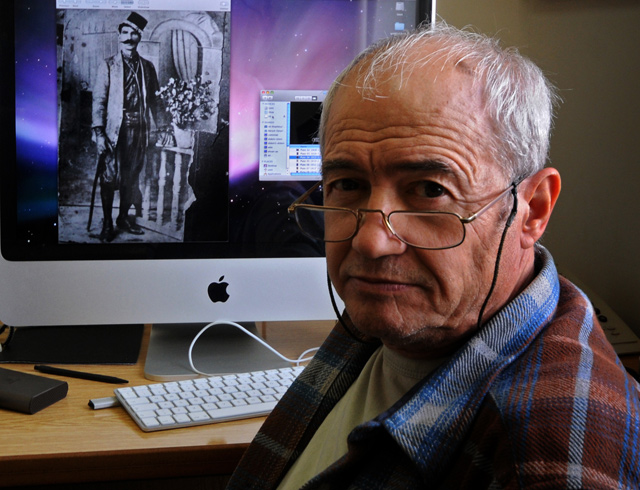
He quickly developed a very good rapport with his teachers.
“My English was still not great but I was asking a lot of questions and my teachers liked my curiosity.”
He remained very busy, studying, working part time and out in the streets of London taking pictures whenever he had spare time. His dream was to become a photojournalist, influenced greatly as he was by the work of Henri Cartier-Bresson, the great French humanist photographer. When I remark that he must have some amazing pictures of London from this period he immediately corrects me. “Not London but London people,” he says. He graduated in 1981 and promptly became a member of the Royal Photographic Society.
But then, aware that it was time to decide about his future, Kaba realised that since he didn’t have British citizenship he would have to go back to north Cyprus. And so he left the UK, arriving in north Nicosia in February 1982.
He started looking for a job but the opportunities were very few and despite the fact that he was most likely the best educated photographer in the north his efforts to find photogreaphic work drew a blank.
Instead, he became self-emplyed, opening a photographic studio in the old town where he worked until 2002. “Afterwards, I retired and opened a photographic gallery in the Buyuk Han. I was also teaching photography at several local universities. And at the same time I started working on various research projects.”
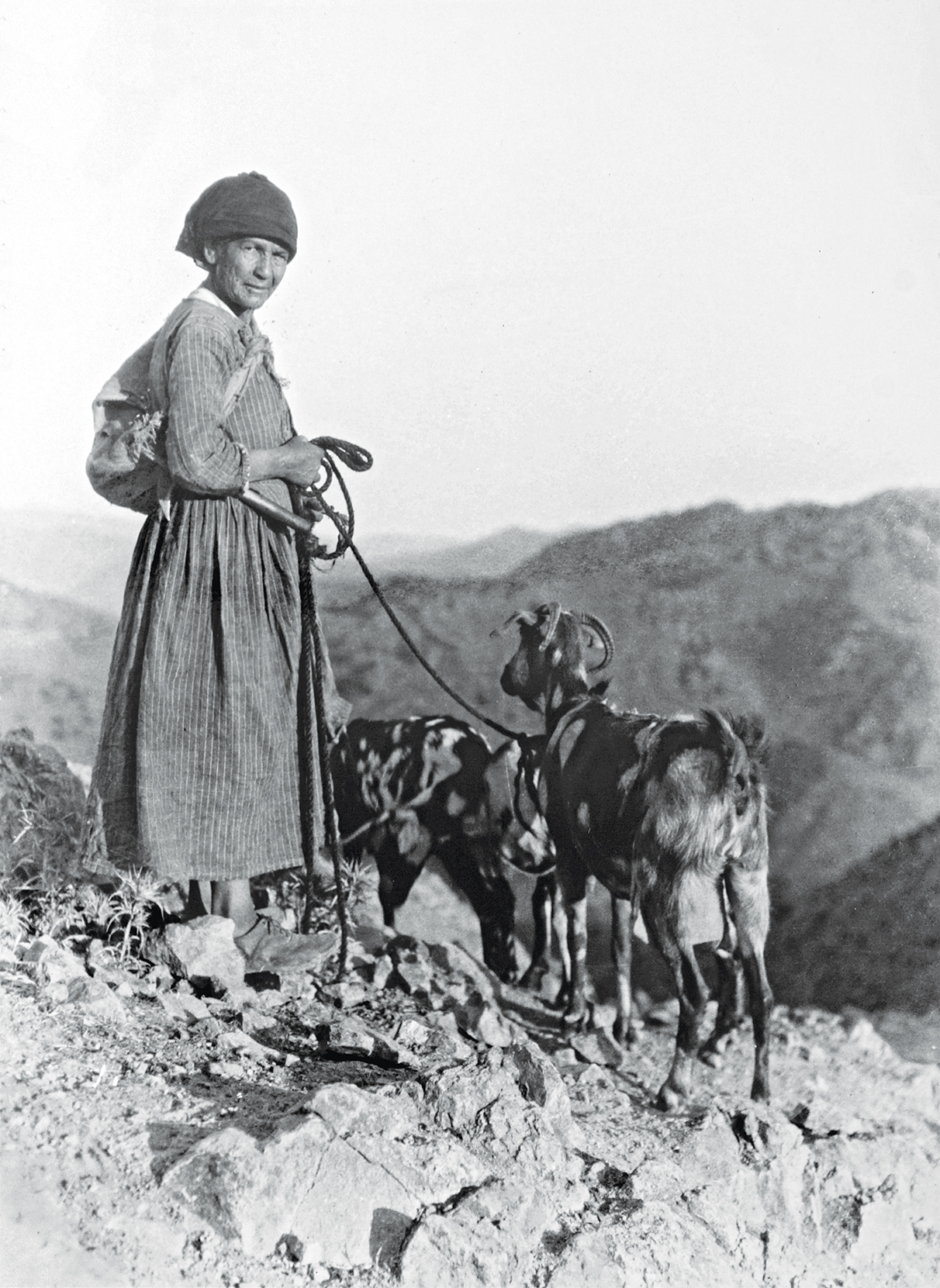
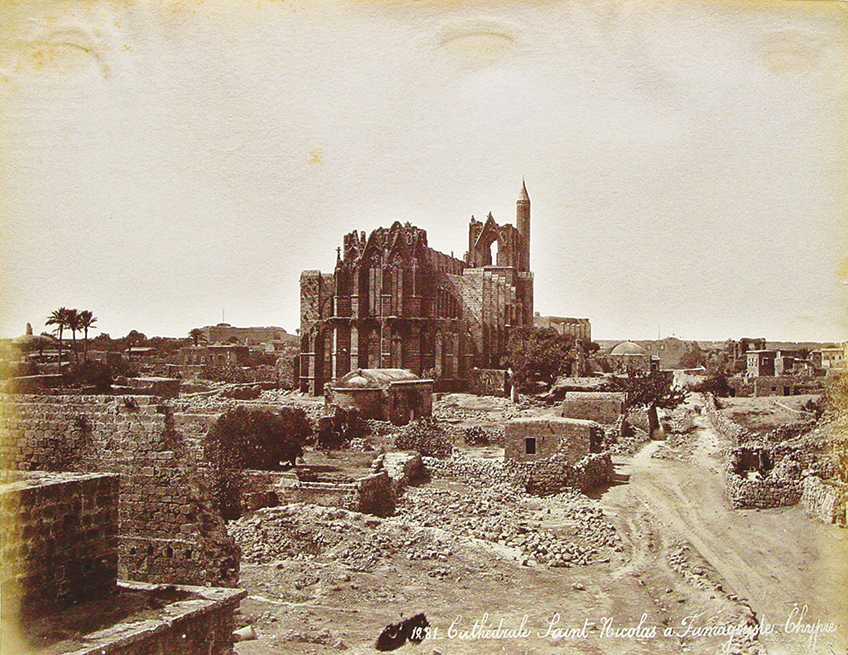
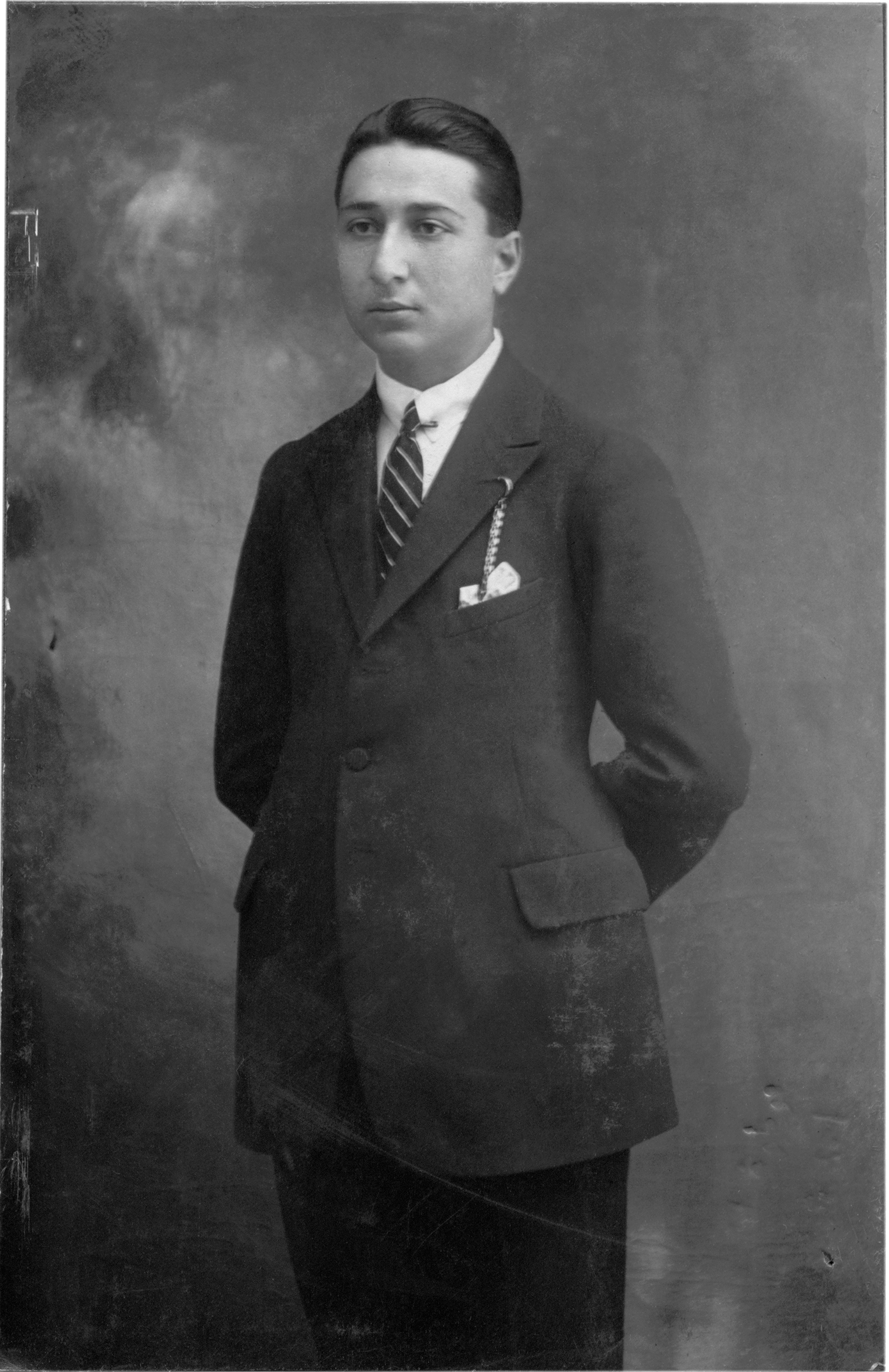
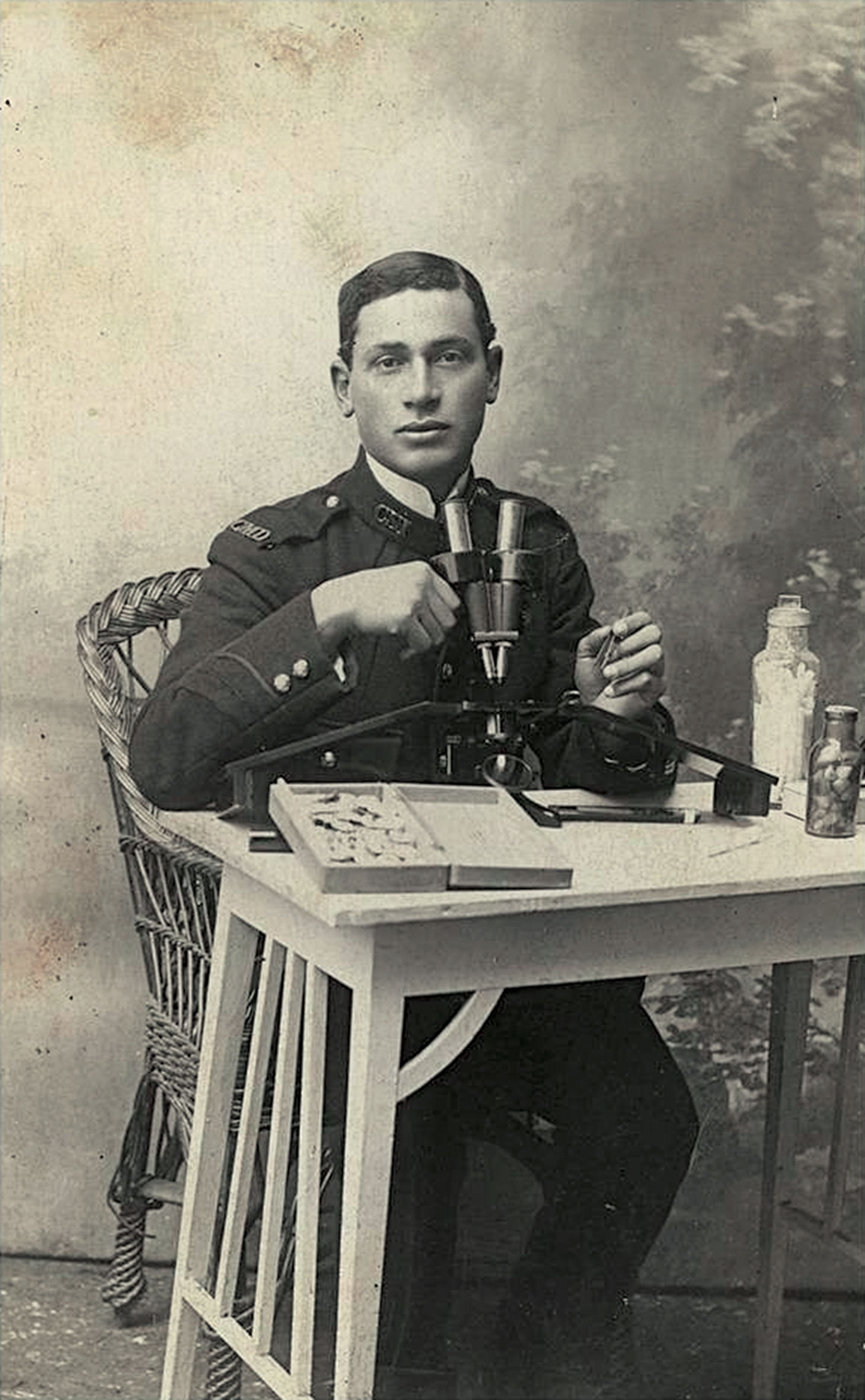
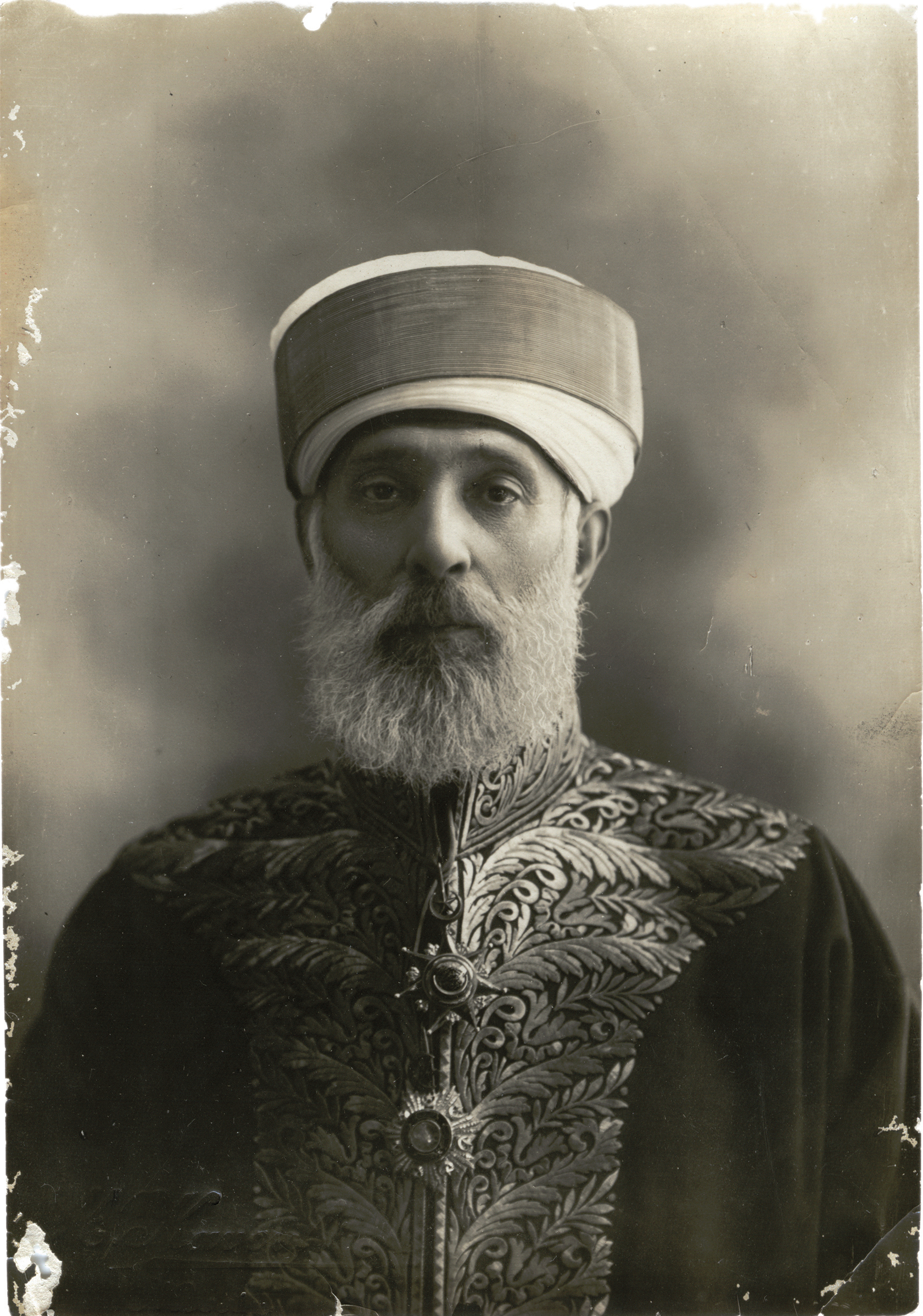
The subjects for his research evolve organically.
“When I was studying in London, one of the subjects they were teaching was the history of photography. They kept on telling us that without knowing the history we would not know our subject and would not be able to be successful. I didn’t like the history course at the time and was always failing. But when I came back [to Cyprus] I started thinking about who was here before me. And everybody was telling me only one name – Fevzi Akarsu. But one old man said that this wasn’t true, there was also another photographer — Ahmet Sevki. So I started digging. Who was he? Where was his studio? And that sort of things did he take photos of? It took me like a stream.”
Kaba says he was very lucky that at the time he was beginning to develop his research there were still some people who remembered the old times. Had he started a bit later, these people would have already been gone.
“I learnt a lot from them. Sadly, often when I want to go back to them to find out more, I learn that they have passed away and the flow of information is finished. And the day will come when I pass away as well, which raises the question: who will then get all this knowledge I have? Is it only for me? This would be very selfish. And that is why I decided to write”.
We are sitting together in the Buyuk Han looking through some of the books he has written or co-authored including The Island of Cyprus. A Photographic Itinerary from the 19th to the 20th Century and M Fevzi Akarsu, Founder of Modern Turkish Cypriot Photography.
His most recent publication entitled History of Cypriot Photography 1839-1939. The Story of the Century is a cohesive account relating the early days of photogrpahy on the island with details about the foreign as well as local Greek, Turkish and Armenian Cypriot photographers who were working here. The book features some of the most recent research on the subject and establishes 1849 as the date of the first known photo was taken on the island. Kaba explains how it had been previously believed that the first recorded photo images of Cyprus were taken by the 19th-century French photographer and traveller Lois De Clercq who visited the island in 1859. However, a newly discovered photograph has now revealed that an unknown traveller and daguerreotypist photographer took pictures in Cyprus in mid July of 1849. In the opening chapter of his book, Kaba notes that the photograph in question establishes 1849 as the date of the first known photo was taken on the island which “depicts George J Skyrianides, a tradesman from one of Larnaca’s well-known families” and that it is “now kept within the personal album of Hercules Skyrianides, a fifth-generation grandson of the family.”
There is no record of any photographers visiting Cyprus during this time, he adds. “However, we do know that towards the end of 1849 or the beginning of 1850, two English daguerreotypist photographers, Reverend George Bridges and CM Wheelhouse, were active in the Levant region.”
The Skyrianides story is just one of a number of new historical discoveries presented in the volume. In the course of years devoted to meticulous research, Kaba has gone through countless family albums and archives, copied thousands of old photograps and studied thousands of old newspapers.
“The first years were particularly difficult because if I wanted to copy any photograph I had to take it to my studio to take a macroshot. And people don’t trust you easily and are reluctant to hand you their old family photographs because they are afraid they won’t get them back. Now with digital technology things are much easier.”
Kaba works with a wide range of photography experts, historians and collectors on both sides of the island and corresponds with others all over the world. His latest book includes chapters on the early foreign photographers who arrived in Cyprus – many as employees of foreign governments interested in gathering information about the island, the others who came a bit later with the British adminstration, like Merdiruz Mathieu Papazian and John P Foscolo, as well as local photography pioneers such as TN Toufexis, Andreas Nikolaides, Spyros Haritou, Ahmet Sevki, Fevzi Akarsu amd Suleyman Hasan Polili. A considerable portion of his research is devoted to the work of Armenian photographers like Haritoun Kavukian, Hrant Varjabedian, Vahan Avedissian and H Mangoian.
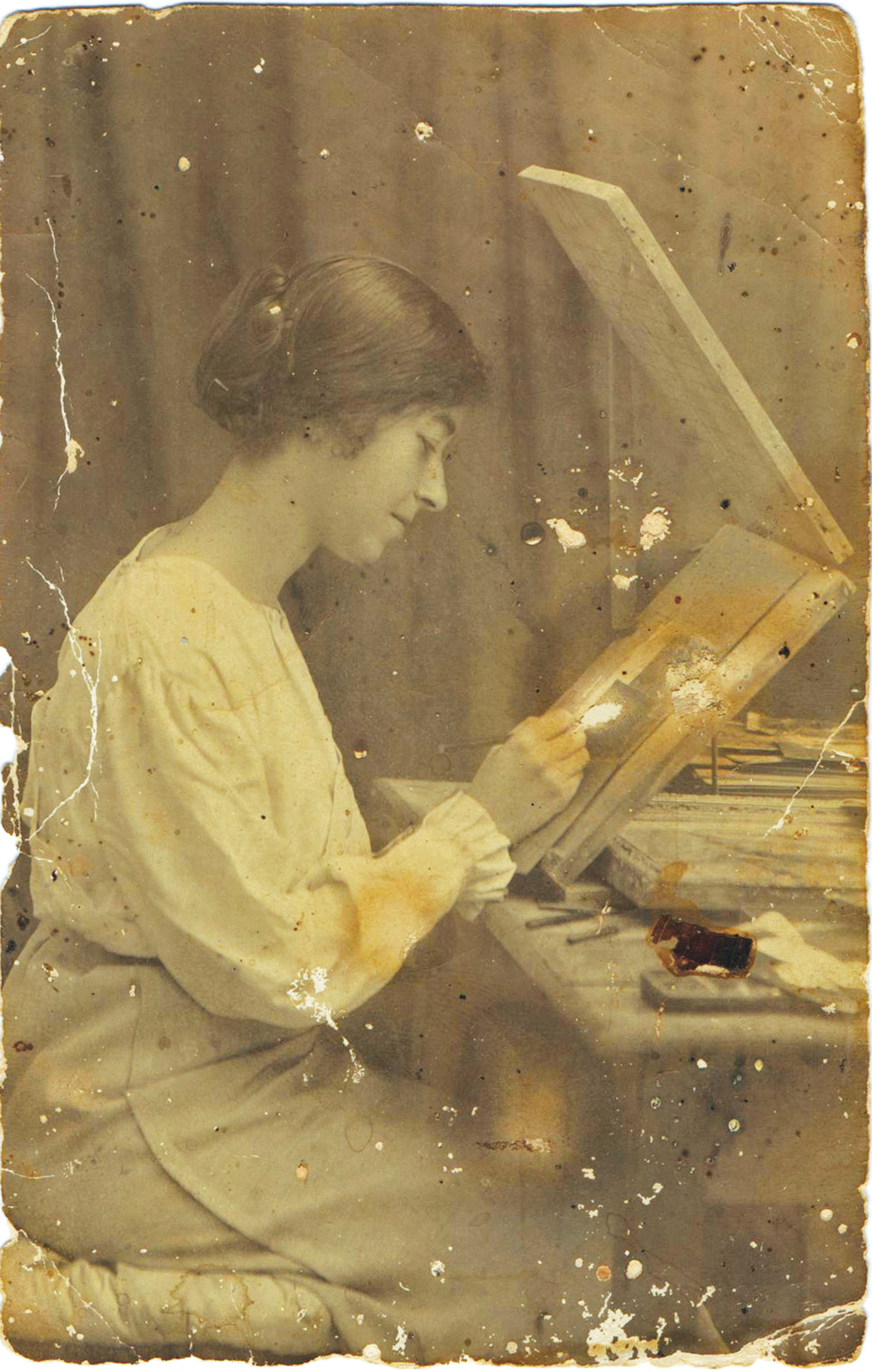
The book is a fascinating account of the island’s multicultural past – times when Turkish Cypriot photographers took photos of Greek Cypriot merchants, Greek Cypriots photographed Turkish Cypriot weddings and Armenians happily pointed their lenses at any and all. Even included are photos taken by the first female Turkish Cypriot photographer Ismet Sevki, whose husband Ahmet was among the island’s photography pioneers mentioned earlier. One of Ismet’s photos in the book showing the Sevkis’ daughter breastfeeding their first granddaughter in 1922 is very special, according to Kaba. Since the Sevkis moved to Izmir in 1925, Kaba speculates that Ismet may also have been the first female photograper in Turkey. “I am not sure if there was any Turkish woman taking photographs in Turkey in the same period,” he says.
History of Cypriot Photography 1839-1939. The Story of the Century by Kadir Kaba is published by CPG Cypriot Photographers’ Gallery. Priced at €50, it is available from Moufflon Bookshop, Nicosia



Click here to change your cookie preferences