
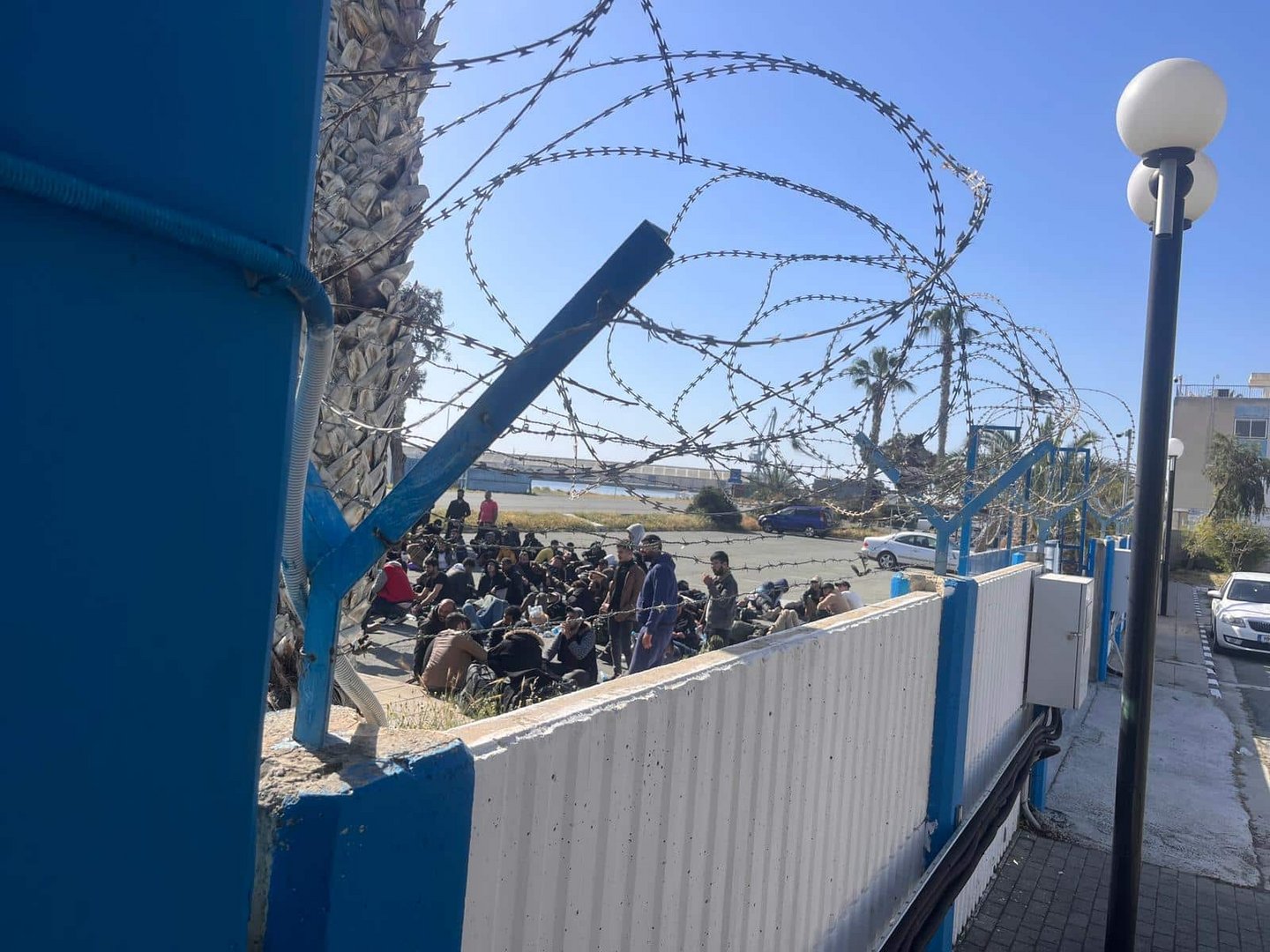
President Nikos Christodoulides was one of 33 heads of government to sign a joint statement affirming their will to work together to “tackle” irregular migration on the sidelines of the day’s European Political Community summit in Yerevan.
Alongside Christodoulides, the statement was signed by the leaders of Albania, Armenia, Austria, Belgium, Bulgaria, Croatia, the Czech Republic, Denmark, Estonia, Finland, France, Georgia, Germany, Greece, Ireland, Italy, Latvia, Malta, Moldova, Montenegro, the Netherlands, North Macedonia, Norway, Poland, Portugal, Romania, San Marino, Serbia, Slovakia, Sweden, Switzerland, and the United Kingdom.
It said that the leaders of all 33 countries had “identified several critical lines of effort in pursuit of a ‘whole of route’ approach to tackling illegal migration” during the previous European Political Community summit in Copenhagen.
“They underlined the need to take action against smugglers, ensure domestic and international frameworks are robust, accelerate returns, forge new partnerships, manage upstream migration effectively, and tackle the instrumentalisation of migration, among other issues,” it said.
Additionally, it said, “they also agreed on the need to support one another in these efforts”.
It then added that this year, there has been “significant displacement across Sudan, the Horn of Africa and wider Middle East”, and that as such, “these priorities remain as vital as ever”.
In addition, it said that lessons must be learned from the 2015 migration crisis and that “similar situations” should be “avoided” in the future, and that as such, “leaders agreed on how best to prepare and coordinate efforts” to this end.
With this in mind, a total of eight points of agreement were found, the first of which being on the matter of “surveillance and monitoring”, with the signatories agreeing that they must ensure that “up-to-date information and monitoring is shared to best support preparedness and a coordinated response”.
The second point of agreement was on the matter of humanitarian assistance. On this matter, the signatories plan to identify “opportunities for targeted interventions to help those in need, and deter flows from source”.
They also said they plan to work with international organisations, including the United Nations high commissioner for refugees and the Council of Europe, while also “maintaining a core focus on security, protection and the effective integrity of both land and maritime borders”.
Additionally, they said they aim to target “organised immigration crime” and deploy “targeted interventions against people smugglers and human traffickers as well as their supply chains, including through the use of sanctions”.
They added that they plan to ensure that both domestic and international frameworks are “safeguarded from abuse, so they can meet the demands of the day and so assistance can be targeted to those in need”.
On the matter of migrant returns, they said they aim to ensure that “robust agreements are in place to both deter migrant movements from source and transit countries and alleviate domestic pressure, including through new approaches”.
Finally, they plan to implement what they described as a “systems-wide response”, which entails “using all of the above levers, policies and diplomatic tools, to coordinate international efforts and protect the integrity of our borders”.
They added that they intend to “continue the focus on the most pressing global migration issues, and on opportunities for future cooperation”, including at the next European Political Community summit, which is due to take place in Ireland later this year.





Click here to change your cookie preferences