
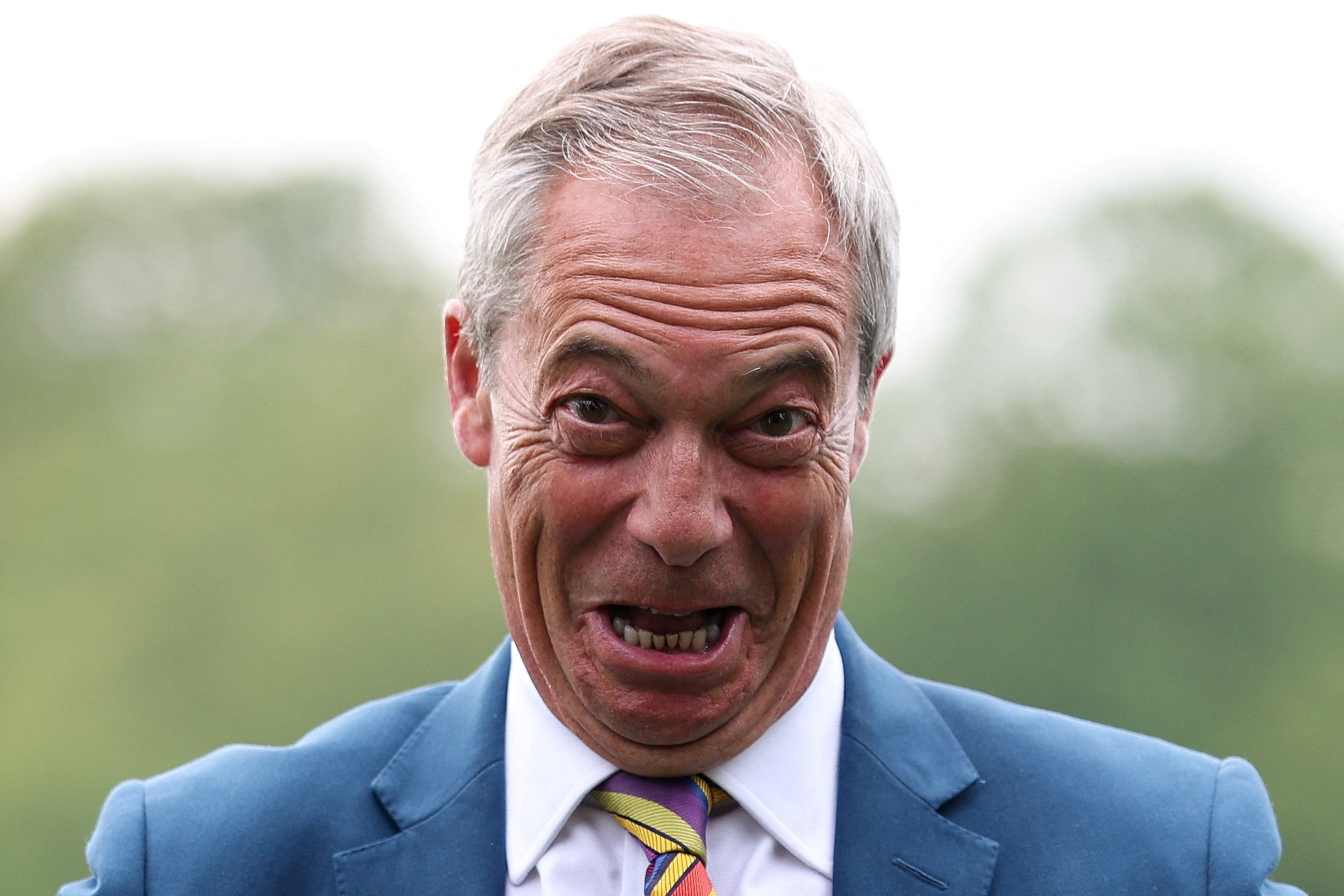
There were municipal and regional elections in England, Scotland and Wales last week in which the Labour government and Prime Minister Keir Starmer were clobbered by Reform UK and Nigel Farage.
Starmer is now under pressure to resign but since when do UK prime ministers resign because of local election results? As the Chinese proverb says, every crisis is also an opportunity, and Starmer should take this opportunity to warn his cabinet that he will sack them if they are disloyal.
He won a landslide victory in 2024 and he does not need to seek a fresh mandate until 2029. Nearer to that date, he may decide to step aside if he believes Labour is unlikely to win a second term under his leadership.
Mid-term elections are usually unimportant nationally or internationally, but this result shook the foundations of the two-party political system that has provided the UK with stable governments for centuries.
The UK has had at least two elections that changed its political direction. There was a sea-change in public attitudes after World War II in 1945 when the British rejected their great war time leader, Winston Churchill for the boring monosyllabic Clement Attlee and the welfare state. The second time was in 1979 when they embraced Margaret Thatcher and the market economy.
Tony Blair won a landslide in 1997 but more because the Conservative Party had been in power for so long people wanted a change rather than because of any sea-change in political attitudes.
A “sea-change” happens when people’s deep seated political convictions change fundamentally and it shows when they vote in a government that represents the new mood – “a sea-change into something rich and strange” Act 1, Scene 2, line 397 of William Shakespeare’s Tempest.
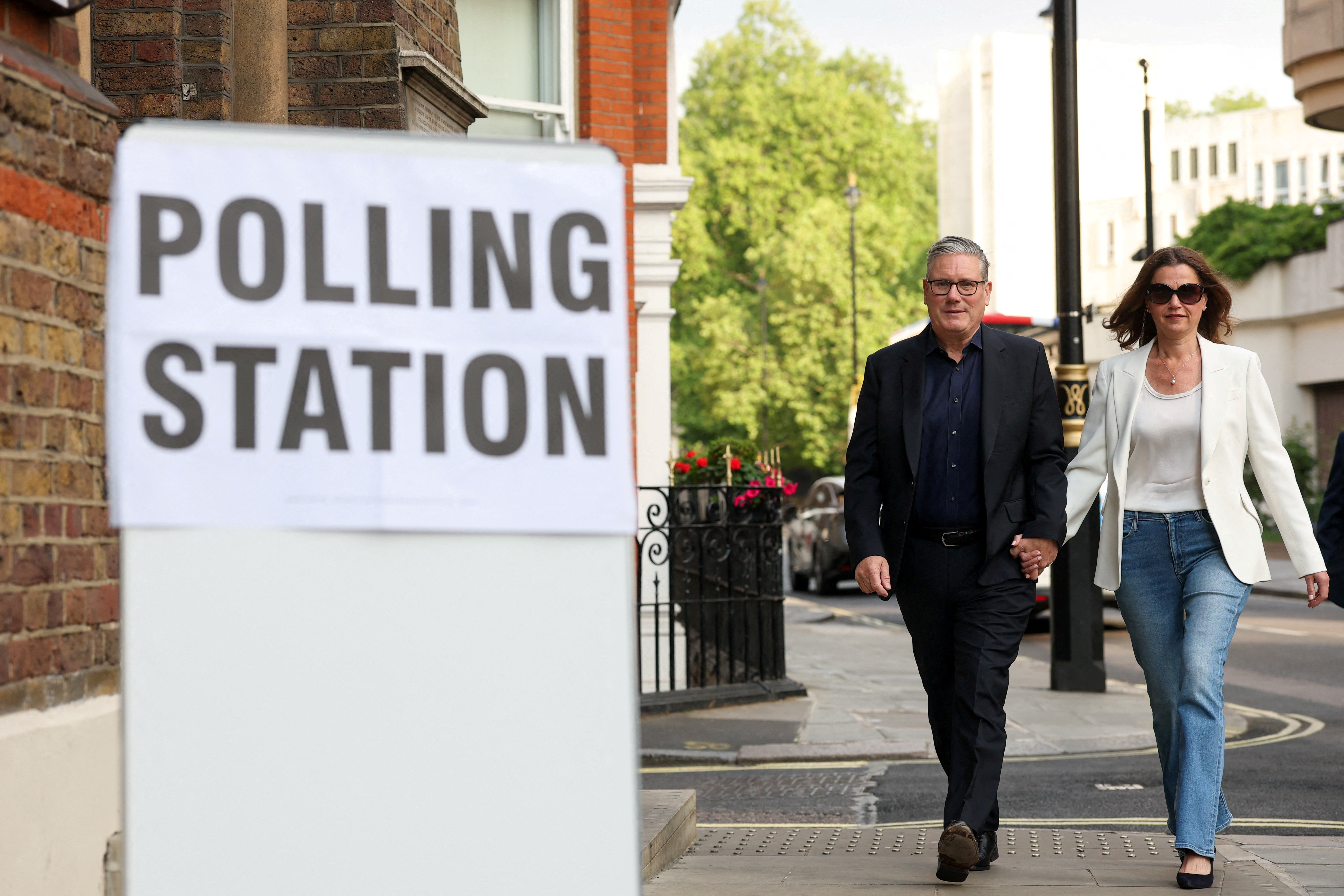
The success of Reform UK last week is different. It resembles more a tsunami warning than the sea-change itself – a warning of a tectonic shift under the sea that could be catastrophic for the political system in the 2029 general election unless the government takes drastic steps to improve people’s lives significantly.
Reform UK is a new party of the populist right and it swept across the UK and finished so far ahead of Labour and the Conservatives it poses an institutional threat to both parties. Its launch was a joint enterprise, but its main architect was Nigel Farage of Brexit fame. Farage has been a thorn in the flesh of the body politic ever since he came into prominence as an anti-EU member of the European Parliament.
As leader of the United Kingdom Independence Party (UKIP) he won the elections to the European Parliament in 2014 which was the first time a party other than the Conservatives and Labour won a UK-wide general election, albeit to the European Parliament.
It was a significant result because it pressured Conservative prime minister, David Cameron, to promise a Brexit referendum, believing he could manage the result and keep the UK in the EU by a simple majority referendum.
It was an arrogant error of judgment because he did not take the usual constitutional precaution of requiring at least a 55 per cent majority for what was, after all, a momentous decision involving constitutional destabilisation if people voted to leave – which is exactly what happened between 2016-20.
The UK voted by a 52 per cent majority to leave in 2016 and Nigel Farage celebrated Britain’s “Independence Day” – mission accomplished! Many Conservative politicians including Boris Johnson jumped on the Brexit bandwagon but there can be no doubt Brexit was Farage’s baby and a lot of its nationalist momentum followed him after Brexit.
Farage left UKIP in 2018 after disagreements over the party’s association with Tommy Robinson, whose views he considered too extreme. Next he founded the Brexit Party to get Brexit done and after the UK officially left the EU at the end of January 2020, the Brexit Party was rebranded Reform UK and relaunched as the new force in British politics on the populist right.
What is astonishing about Farage, Reform UK and their friends at GBNews is that their political credo begins and ends with stoking people’s fears that Britain is in danger of being transformed into a nation of immigrants and refugees. Reform UK has no other serious policies to speak of other than the mass deportation of immigrants à la ICE in the US. As a woman voter from Yorkshire pithily put it “Reform in government would not know what they are doing.”
Like many of his ilk, Farage was anti-immigrant when he was a teenager who graduated into an anti-EU politician and reverted to type after Brexit. As a teenager he was also prone to utter Nazi insults at his Jewish schoolmates, but the British media now accept he no longer spews antisemitic insults at Jewish people – just anti-immigrant rhetoric which, sad to admit, is the real reason why he and Reform are so popular.
His primary targets have always been immigrants, refugees and migrant workers as they are easy to demonise. Even Farage’s Brexit project was because it guaranteed freedom of movement of persons and human rights of immigrants and refugees. Unsurprisingly, both Farage and the Conservative leader Kemi Badenoch now want to leave the European Convention on Human Rights the easier to carry out the mass deportation of immigrants.
But enough politics because the day after the elections, Friday, May 8, marked the 100th birthday of Sir David Attenborough – he of Life on Earth, Planet Earth, Blue Planet and Frozen Planet.
As the world celebrated his birthday at a packed Royal Albert Hall in London, one could not help thinking if it is really possible that a nation that gave the world a man like Attenborough could elect a Trump clone as its prime minister.
The concert ended with the whole hall singing Happy Birthday and ended with a recording of Attenborough himself speaking the song What a Wonderful World to its music which was very reassuring that Attenborough types will always rule the roost in Britain.




Click here to change your cookie preferences