
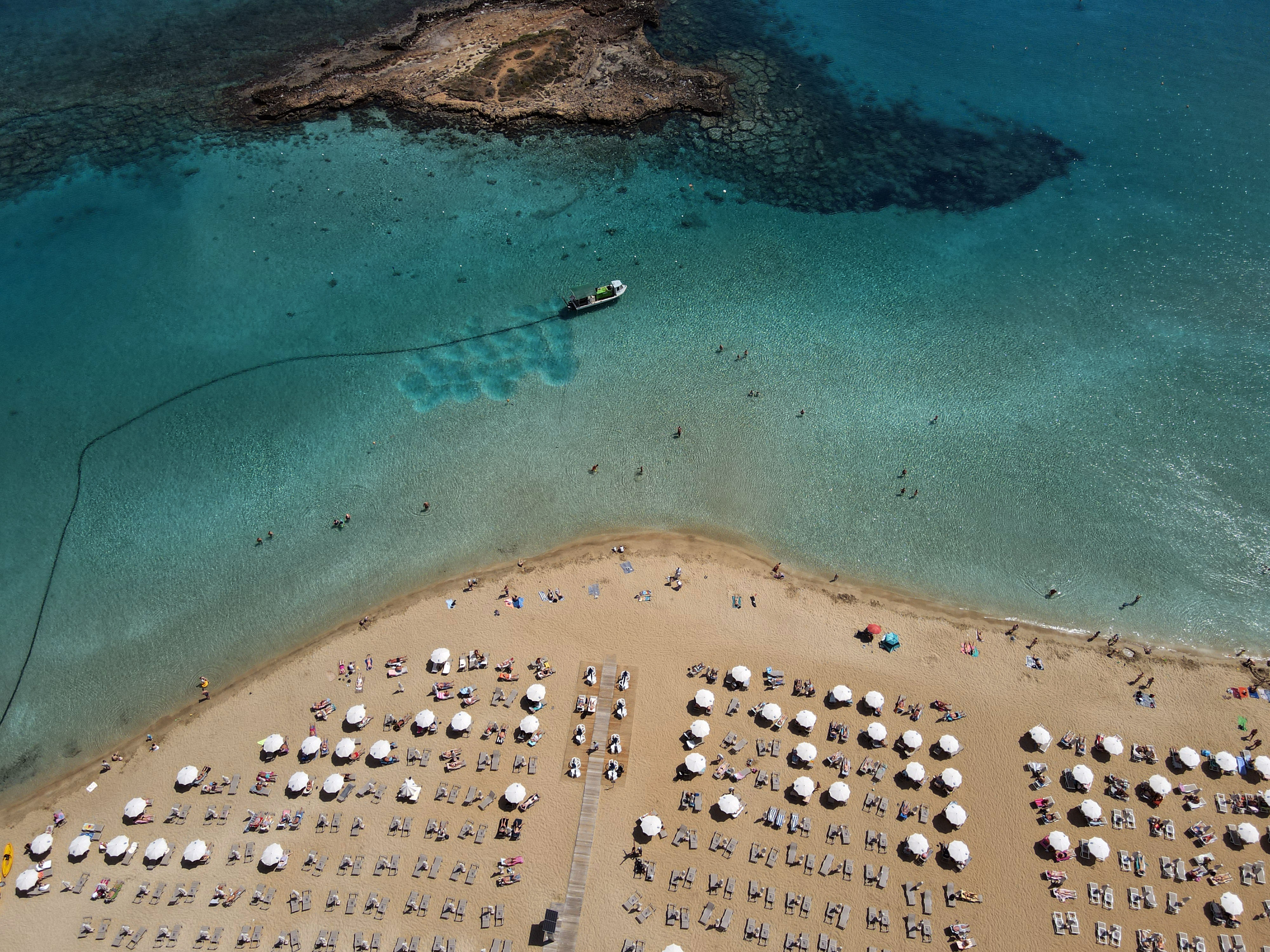
A Cyprus trip offers a unique mix of Mediterranean beaches, mountain villages, ancient history and modern city life. Whether you are planning a relaxing holiday by the sea, a cultural escape or an island road trip, Cyprus combines sunshine, hospitality and diverse experiences in one destination.
This Cyprus travel guide covers the best places to visit, when to travel Cyprus, what to eat, where to stay, how to get around and practical tips to help you make the most of your stay on the island.
Why visit Cyprus?
Cyprus attracts travellers throughout the year thanks to its warm climate, beautiful coastline and rich cultural heritage. Located at the crossroads of Europe, Asia and the Middle East, the island blends Greek, Turkish and Mediterranean influences in its food, architecture and traditions.
Visitors can enjoy:
- Blue Flag beaches and crystal-clear waters
- Historic sites dating back thousands of years
- Traditional mountain villages
- Modern resorts and vibrant nightlife
- Excellent local cuisine and wine
- Outdoor activities including hiking, diving and cycling
Whether you prefer luxury resorts, quiet nature escapes or lively coastal towns, travel Cyprus offers something for every type of traveller.
Best time to travel to Cyprus
Cyprus enjoys more than 300 days of sunshine each year, making it a year-round destination. You can find a seasonal guide for the best time to visit Cyprus in our indepth article.
In short:
- Spring is one of the best times for a Cyprus trip. Temperatures are pleasant, landscapes are green and wildflowers bloom across the island.
- Summer brings hot temperatures and busy beaches. Coastal destinations such as Ayia Napa, Protaras and Limassol are especially popular during this period.
- The sea remains warm well into autumn, while temperatures become more comfortable for exploring. Many travellers consider this the ideal time to visit Cyprus.
- Winter in Cyprus is mild compared to most of Europe. Visitors can explore cities and archaeological sites without crowds, while the Troodos Mountains occasionally offer skiing opportunities.
Best places to visit in Cyprus
From lively coastal resorts and historic cities to peaceful mountain villages, Cyprus offers a wide variety of destinations for every type of traveller. Whether you are interested in beaches, culture, nightlife or nature, each region of the island has its own character and attractions. These are some of the best places to include in your Cyprus trip.
Paphos
Paphos is one of the island’s most popular destinations and a UNESCO World Heritage site. Visitors can explore ancient mosaics, archaeological ruins and scenic coastal promenades. The area also offers excellent beaches, resorts and sunset views.
Limassol
Limassol combines modern city life with beachside relaxation. Known for its marina, restaurants and nightlife, the city also hosts festivals, cultural events and wine celebrations throughout the year.
Nicosia
As the capital of Cyprus, Nicosia offers a mix of history, museums, shopping streets and local culture. The old city walls and traditional neighbourhoods provide insight into the island’s complex history and identity.
Ayia Napa and Protaras
These eastern coastal towns are famous for sandy beaches and turquoise waters. Ayia Napa is known for nightlife and beach clubs, while nearby Protaras offers a quieter atmosphere for families and couples.
Troodos Mountains
For travellers looking to experience traditional Cyprus, the Troodos region offers mountain villages, wineries, monasteries and nature trails. It is an excellent destination for hiking and authentic local experiences.
What to eat in Cyprus
Food is an essential part of every Cyprus trip. The island’s cuisine reflects Mediterranean traditions with Greek, Turkish and Middle Eastern influences.
Popular dishes include:
- Halloumi cheese
- Souvlaki and grilled meats
- Meze platters
- Fresh seafood
- Kleftiko lamb
- Loukoumades and traditional sweets
Local tavernas throughout the island provide authentic dining experiences and regional specialties.
Where to stay in Cyprus
Choosing where to stay during your Cyprus trip depends largely on the type of holiday you are looking for. The island offers everything from luxury beach resorts and lively nightlife destinations to peaceful mountain villages and family-friendly coastal towns.
Best areas for beach holidays
Travellers looking for sun and sea often choose destinations along the eastern and southern coastline. Ayia Napa and Protaras are especially popular thanks to their sandy beaches, clear waters and wide range of hotels and holiday apartments. These areas are ideal for beach lovers, families and visitors interested in water sports.
Limassol also offers excellent beachfront accommodation, combined with a more cosmopolitan atmosphere featuring restaurants, bars, shopping and nightlife.
Best places for culture and history
For travellers interested in archaeology, history and authentic local culture, Paphos and Nicosia are excellent choices. Paphos combines coastal relaxation with UNESCO-listed historical sites, while Nicosia offers museums, old neighbourhoods and a vibrant urban atmosphere.
Staying in these cities allows visitors to experience another side of Cyprus beyond the beaches.
Best areas for nature and relaxation
The Troodos Mountains are perfect for travellers seeking quieter surroundings, traditional villages and scenic landscapes. Boutique guesthouses and agrotourism accommodations provide a more authentic experience, especially for couples and nature lovers.
Visitors can explore wineries, hiking trails and historic monasteries while enjoying cooler temperatures during the summer months.
Best areas for nightlife
Ayia Napa remains Cyprus’ best-known nightlife destination, attracting visitors from across Europe during the summer season. Limassol also offers an active nightlife scene with beach bars, clubs and late-night restaurants.
Travellers looking for entertainment and social atmosphere often prefer staying close to the main coastal areas.
Accommodation tips for Cyprus
- Book early during peak summer months, especially from June to August
- Beachfront hotels are most expensive during high season
- Renting a car allows more flexibility when staying outside major cities
- Smaller boutique hotels and guesthouses can offer a more local experience
- Spring and autumn often provide better prices and fewer crowds
Whether you prefer luxury resorts, family-friendly hotels or traditional village stays, travel Cyprus offers accommodation options for every budget and style of traveller.
Getting around Cyprus
Hiring a car is one of the best ways to travel Cyprus, especially for visitors wanting to explore beaches, villages and mountain regions beyond the major cities.
Important things to know:
- Driving is on the left-hand side
- Roads are generally modern and well maintained
- Public transport exists but is more limited outside urban areas
- Taxis and ride-sharing services are available in larger towns
Road trips remain one of the most popular ways to discover hidden parts of the island.
Beaches in Cyprus
Cyprus is famous for its coastline and clear waters. Some of the island’s most popular beaches include:
- Nissi Beach
- Fig Tree Bay
- Coral Bay
- Konnos Bay
- Governor’s Beach
Many beaches offer water sports, family facilities and beachside restaurants, while others provide quieter natural surroundings.
Travel tips for Cyprus
Before planning your Cyprus trip, keep these practical tips in mind:
- The official currency in the Republic of Cyprus is the euro
- English is widely spoken across the island
- Summers can be extremely hot, especially inland
- Tap water is generally safe to drink
- Booking accommodation early is recommended during peak summer months
Travellers should also check seasonal events and festivals, as Cyprus hosts cultural celebrations throughout the year.
Discover More with Cyprus Mail
At Cyprus Mail, we provide trusted reporting, travel news and inspiration and lifestyle coverage from across the island. Alongside breaking news and current affairs, our travel articles help readers discover destinations, tourism developments and experiences in Cyprus and beyond.
Whether you are planning your first Cyprus trip or returning to explore more of the island, Cyprus Mail helps you stay informed with the latest travel insights, destination ideas and practical advice.
Frequently asked questions about travelling to Cyprus
Is Cyprus expensive for tourists?
Cyprus can suit a wide range of budgets. Luxury resorts and beachfront hotels can be expensive during peak season, but visitors can also find affordable apartments, local tavernas and budget-friendly accommodation across the island.
What is the best month for a Cyprus trip?
Many travellers consider May, June, September and October the best months to visit Cyprus. During these periods, temperatures are warm, beaches are enjoyable and tourist areas are less crowded than in peak summer.
Do I need a car to travel Cyprus?
A car is not essential for city breaks, but renting a vehicle is highly recommended for travellers wanting to explore beaches, villages and mountain regions across the island. Cyprus is especially well suited for road trips.
Is Cyprus safe for tourists?
Cyprus is considered one of the safer travel destinations in Europe. The island is generally welcoming to tourists, and most visitors experience a relaxed and comfortable stay.
How many days do you need in Cyprus?
A week is ideal for a balanced Cyprus trip, allowing visitors to combine beaches, sightseeing, local culture and day trips. Shorter city breaks are also popular, especially in destinations like Paphos and Limassol.
Which side of Cyprus is best for tourists?
Different regions appeal to different travellers. The east coast is famous for beaches and nightlife, while western Cyprus offers history, nature and a more relaxed atmosphere. The Troodos Mountains are ideal for traditional villages and outdoor activities.
Is Cyprus good for family holidays?
Yes, Cyprus is a popular family destination thanks to its safe beaches, warm climate, family-friendly resorts and variety of outdoor activities. Many hotels and coastal towns cater specifically to families travelling with children.





Click here to change your cookie preferences