
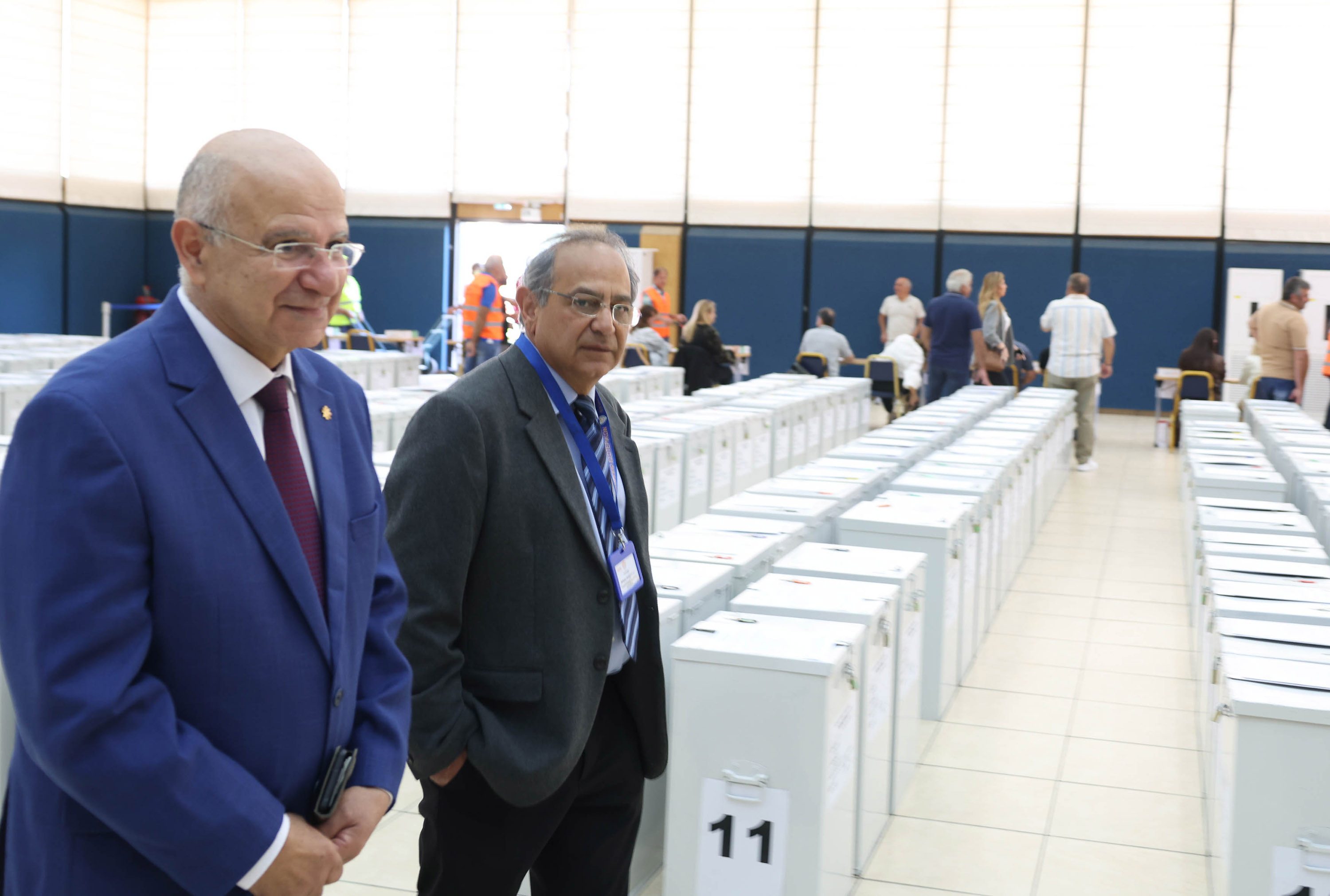
Chief returning officer Elikkos Elia on Friday urged all 569,182 registered voters to take part in Sunday’s parliamentary elections and choose the 56 MPs who will represent them over the next five years, warning that abstention amounted to giving up a fundamental democratic right.
“Abstention is not a simple choice, but is tantamount to waiving a fundamental right,” Elia said during a press conference.
He described elections as a “fundamental expression of democracy” and noted that the entire process would be monitored by the Organisation for Security and Cooperation in Europe (OSCE), which will later prepare an evaluation report.
Elia said the new MPs are expected to be officially announced on Monday at noon at the Nicosia Municipal Theatre.
This year, there are 569,182 registered voters, including 859 Turkish Cypriots, an increase of 11,081 compared with the 2021 parliamentary elections. Another 595 voters are registered on a special electoral roll for enclaved individuals living in the north, with 260 registered in Famagusta district and 335 in Kyrenia district.
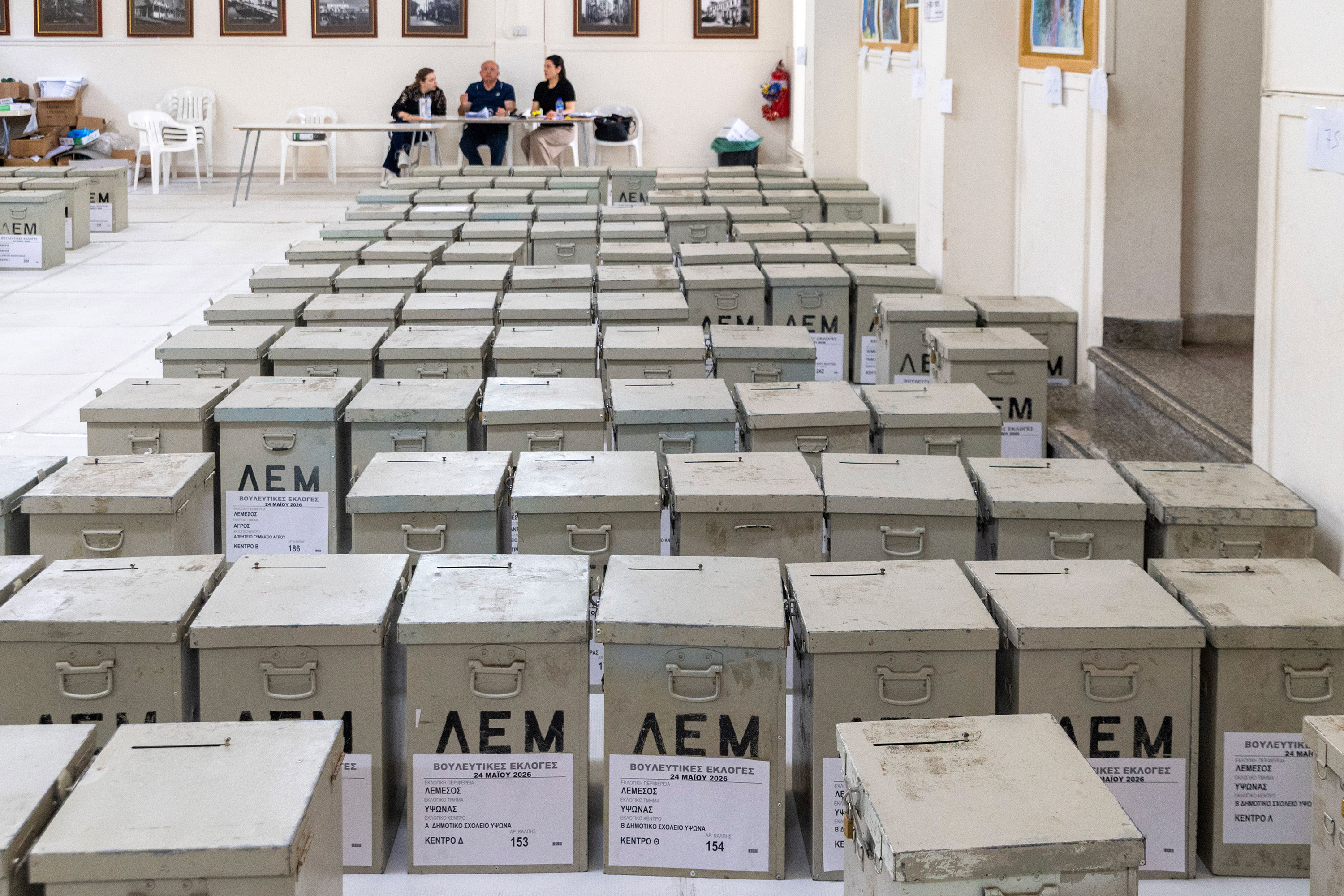
Turkish Cypriots will vote at polling stations based on their place of residence and will use the same ballot papers as all other voters. Turkish-language guidance will be available, while Turkish-speaking officers will assist voters at district offices where necessary.
In addition, 414 people are registered on the special electoral roll for prisoners, which is updated daily. Ballot boxes from prisons will later be merged with others during counting.
Elia said 617,600 ballot papers have been printed on security paper, along with 201,500 sample ballots distributed for information purposes. Each electoral district will use ballot papers in a different colour.
Women account for 288,884 voters, or 50.81 per cent of the electorate, while men account for 279,703, or 49.19 per cent. Of the total electorate, 11.08 per cent are under the age of 30 and 21.17 per cent are over 70.
All Cypriot citizens aged over 18 who have lived in Cyprus for at least six months are eligible to vote, including Turkish Cypriots holding Republic of Cyprus identity cards and registered addresses in the south.
Nicosia has the largest number of registered voters with 198,362, followed by Limassol with 117,013, Famagusta with 116,404, Larnaca with 60,540, Paphos with 47,421 and Kyrenia with 28,847.
A total of 6,501 voters have registered to vote abroad. There will be 13 overseas voting centres: five in Athens, three in Thessaloniki, four in London and one in Brussels.
Overall, 1,217 polling stations will operate, including 1,204 in Cyprus. Of these, 13 are designated for the election of the Maronite representative in parliament. The Armenian and Latin representatives were elected unopposed.
The smallest polling station is located in Kouka, Nicosia district, with 52 registered voters, while the largest is in Pano Polemidia, Limassol, with 680 voters.
Voters can find where their polling station is here.
Polling stations will open at 7am and close at 6pm, with a one-hour break at noon. Voting hours abroad have been aligned with Cyprus time.
Voters may choose a party and/or candidates by marking an “X”, “+” or “V” in the appropriate box. Voters may select up to five candidates in Nicosia, three in Limassol, three in Famagusta, two in Larnaca, two in Paphos and one in Kyrenia.
However, voters may only choose candidates from one political party or one independent candidate. Selecting candidates from more than one party will invalidate the ballot. If voters exceed the permitted number of candidate preferences, the party vote will still count, but the candidate preferences will be disregarded.
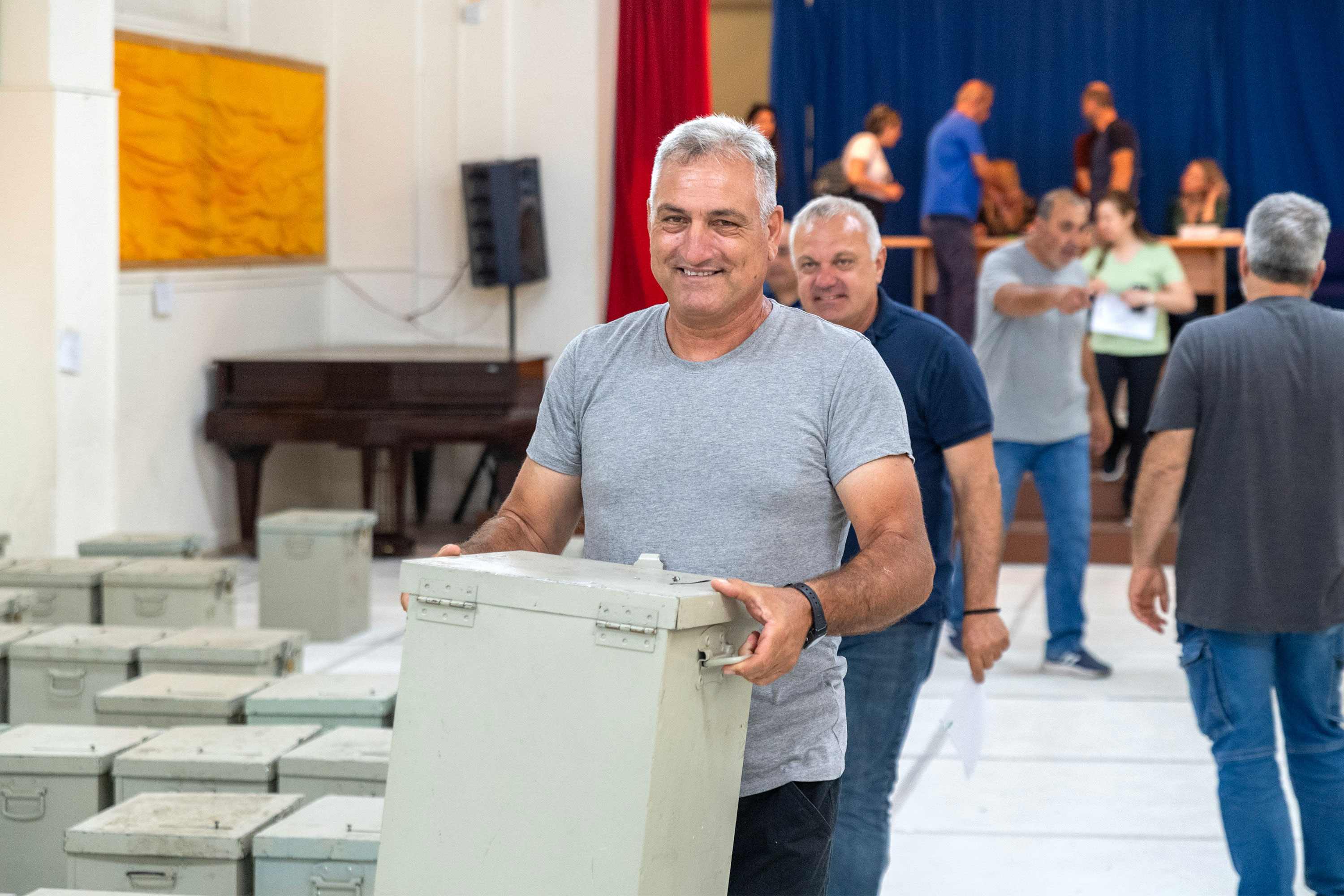
Only blue or black ink pens may be used. Any other colour or additional markings will render the ballot invalid.
There are 752 candidates contesting the elections, including nine independents. One candidate withdrew after nominations were finalised.
“This is the largest number of candidates we have ever had in parliamentary elections,” Elia said, noting that there were 651 candidates in 2021 and 493 in 2016.
Of the total number of candidates, 224, or 29.8 per cent, are women.
Around 9,000 people will be involved in election operations, including polling station staff, vote counters, police officers and officials responsible for transporting ballot boxes and compiling results. Of these, 5,618 will staff polling stations, 2,100 are police officers and 809 are returning officer associates.
Votes will be counted at polling stations immediately after voting ends. Preliminary results are expected from around 6.30pm, while the allocation of parliamentary seats should become clear by approximately 9.30pm. The names of elected MPs are expected to emerge at around 1.30am on Monday, with official confirmation later in the day.
Results will be updated live on the government elections website and broadcast by television stations.
Elia also reminded political parties and candidates that all pre-election campaigning is prohibited on Saturday, including political advertising, public statements, social media activity, gatherings and any direct or indirect election-related promotion, whether paid or unpaid. Billboard advertisements must also be removed before midnight on Friday.
The only exception applies to newspapers reporting Friday’s political activities and to political party and candidate websites.





Click here to change your cookie preferences