
The International Maritime Organisation (IMO) has adopted the first global code for autonomous ships, in a move aimed at helping AI-enabled and remotely operated vessels enter commercial shipping without weakening safety, accountability or environmental standards.
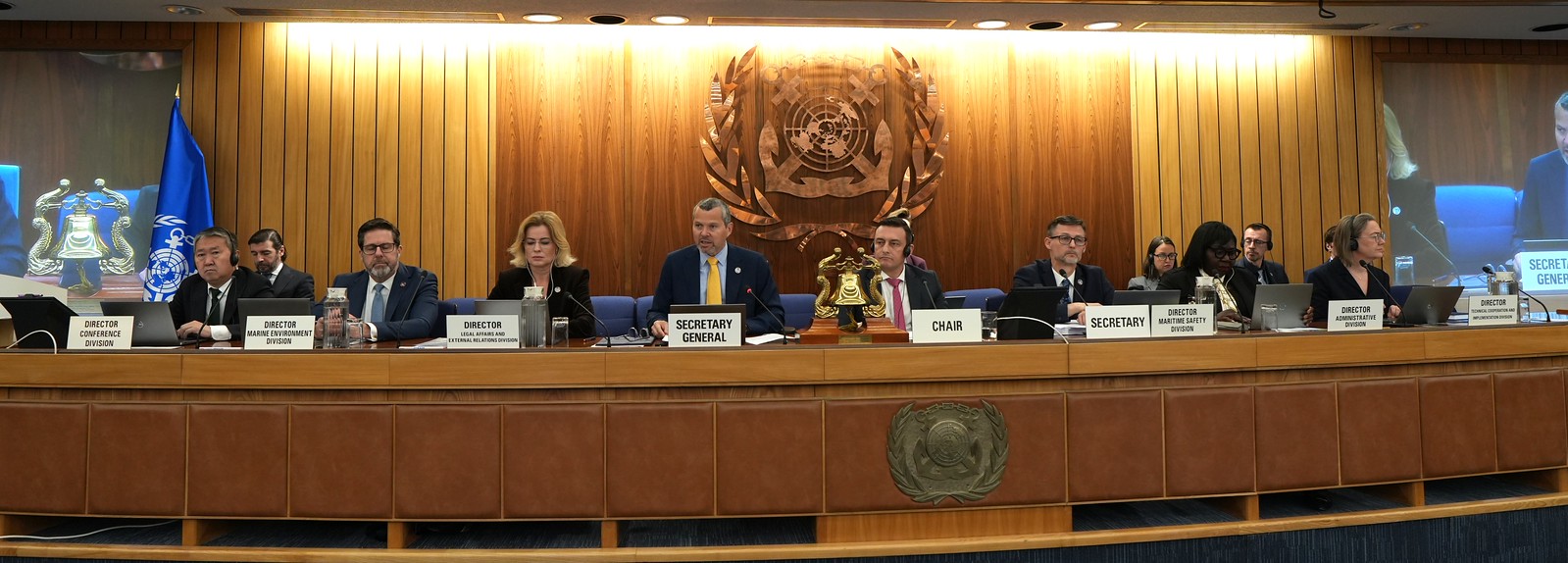
The International Code of Safety for Maritime Autonomous Surface Ships, known as the MASS Code, was adopted during the 111th session of the IMO’s Maritime Safety Committee, held in London from May 13 to 22.
According to the IMO, the code provides a goal-based framework for remotely controlled and autonomous ships, ensuring they are designed and operated to a level of safety, security and environmental protection comparable to conventional vessels.
Although the number of fully crewless or remotely operated commercial ships remains limited, trials are expanding internationally, making the new framework an important step as shipping begins to integrate artificial intelligence, remote operations and advanced digital systems into day-to-day operations.
The code applies to cargo ships and will take effect from July 1, 2026. For now, it will be non-mandatory, giving IMO member states the opportunity to test its use before work begins on making it binding under the Safety of Life at Sea Convention.
IMO Secretary-General Arsenio Dominguez described the adoption of the code as a landmark achievement, saying it places the organisation “at the forefront of regulating emerging technologies” and allows innovation to move forward while keeping “safety, accountability and the human element” at the centre of maritime operations.
The new code covers several areas that are expected to define the future of autonomous shipping, including navigation, connectivity, remote operations, fire safety, cybersecurity, search and rescue, and the role of Remote Operations Centres.
However, the IMO also made clear that autonomy does not remove human responsibility. The master will retain overall responsibility for the ship at all times, even when not physically on board.
The code follows almost a decade of multilateral discussions, legal work and trials, as regulators seek to ensure that new technologies can operate safely alongside conventional shipping.
The IMO has already set out the next steps. The Maritime Safety Committee is expected to re-establish a working group in December 2026 to develop an experience-building phase for the non-mandatory code.
Work on a mandatory version is expected to continue in 2028, including possible amendments to SOLAS through a new chapter. The IMO expects the first mandatory MASS Code to be adopted by July 1, 2030, with entry into force planned for January 1, 2032.
Beyond autonomous shipping, the committee also addressed the situation in the Strait of Hormuz, adopting a resolution calling for support for the Secretary-General’s efforts to facilitate the safe evacuation of ships and seafarers trapped in the Persian Gulf.
Member states and organisations were urged to assist trapped seafarers by providing essential supplies, helplines, remote support and crew changes, while also keeping families informed.
At the same time, the committee continued work on safety rules for ships using alternative fuels, approving interim guidelines for the use of ammonia cargo as fuel, as well as new training guidelines for seafarers working on ships powered by methyl or ethyl alcohol and ammonia.
The decisions reflect the wider shift facing global shipping, where decarbonisation, digitalisation and safety regulation are increasingly moving together.
The committee also approved amendments to the SOLAS Convention aimed at improving access to Long-Range Identification and Tracking data for coastal states.
If adopted by the next session of the Maritime Safety Committee in December, the changes would allow coastal states to receive standard ship position reports free of charge, improving maritime monitoring, search and rescue, environmental protection and action against illegal shipping.
In another decision, the committee adopted a resolution introducing the VHF Data Exchange System, known as VDES, into the IMO regulatory framework as an alternative to the current AIS tracking system.
The new rules are expected to enter into force on January 1, 2028. VDES is designed to allow ships and coastal authorities to exchange more data more securely, while authentication features are expected to reduce the risk of spoofing.





Click here to change your cookie preferences