
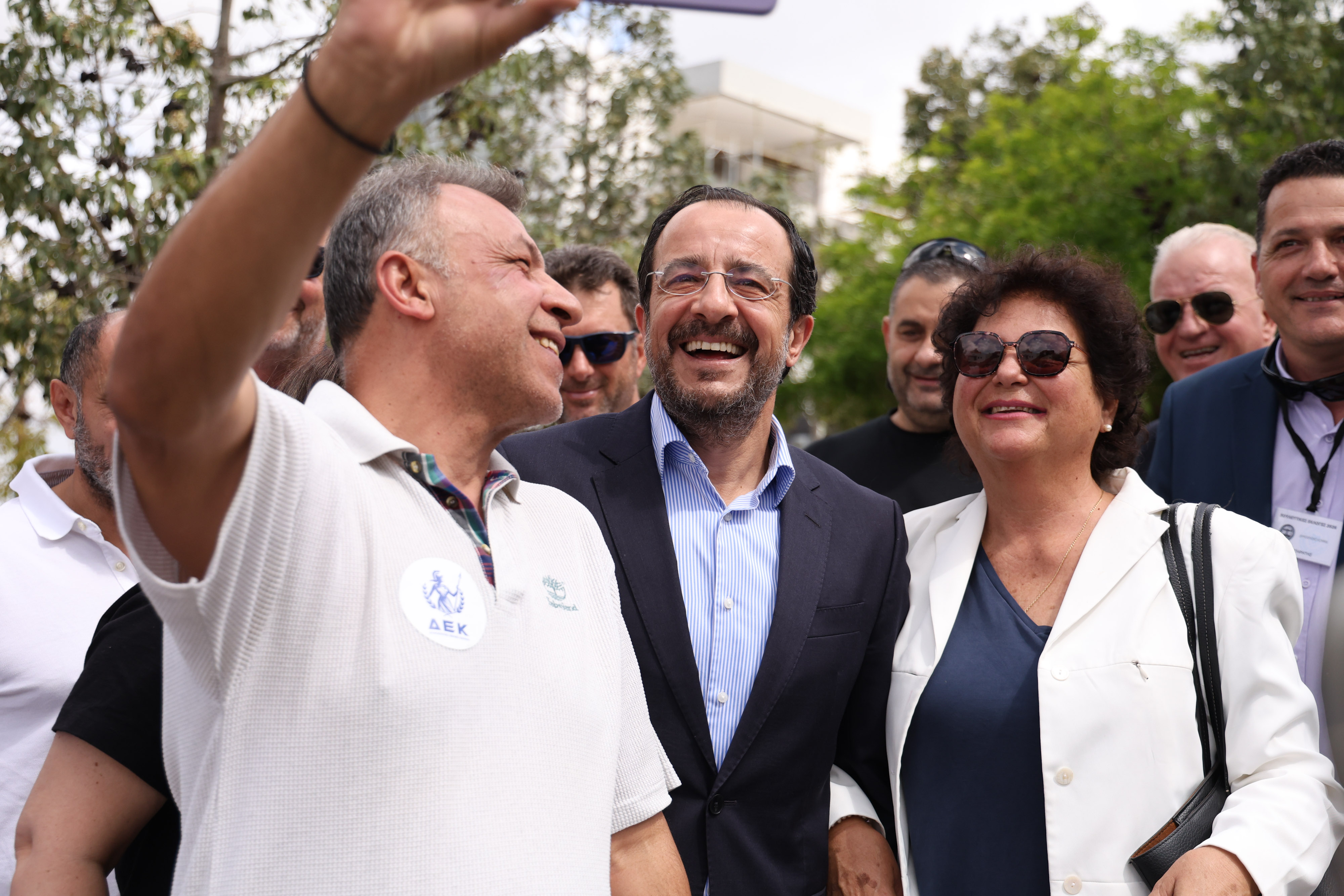
The revolt that fizzled out
Amid a kaleidoscope of candidates and new political formations, the traditional parties bucked the trend and held the line – more or less – in last Sunday’s legislative elections. Defying all forecasts, the new House now consists of even fewer parties than before. Clearly those left out of parliament lost. What’s less clear is who won.
First the basics. The parties that got into parliament were: Disy 27.1 per cent, 17 seats; Akel 23.9 per cent, 15 seats; Elam 10.9 per cent, eight seats; Diko 10 per cent, eight seats; Alma 5.8 per cent, four seats; and Direct Democracy 5.4 per cent, four seats.
Compared to the 2021 ballot, despite a drop of 0.8 per cent in the share of the electorate, Disy actually garnered more votes in absolute terms. Akel managed to increase its percentage by 1.4 per cent, and got some 9,000 extra votes. The ‘big two’ also retained their seats in the House.
Third-place Elam boosted their numbers by four percentage points, gaining four more seats. Diko lost 1 per cent, lost one seat.
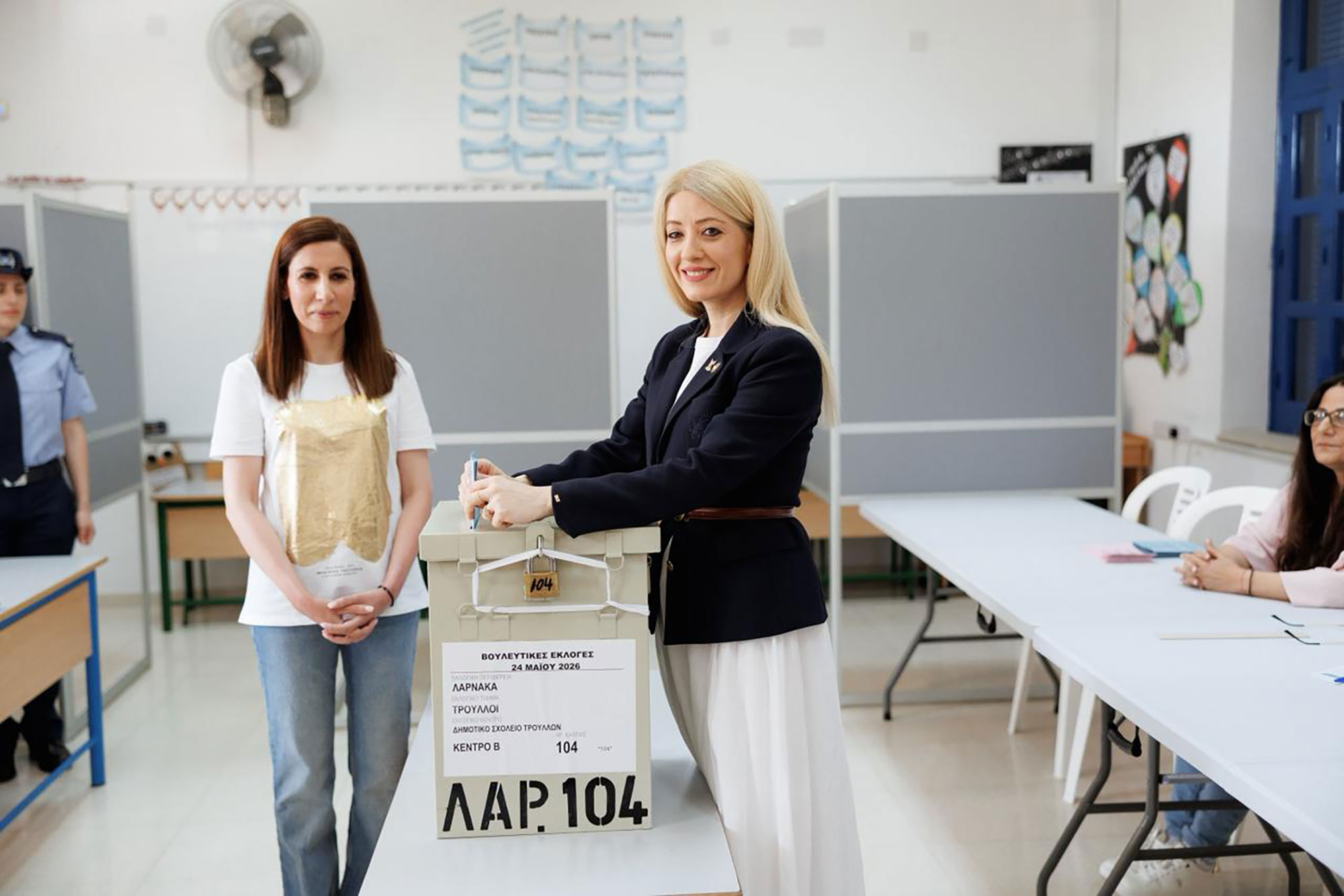
The losers were Edek, Dipa and the Greens. Scoring below the 3.6 per cent threshold, they got left out in the cold. The 11 seats they had held between them were grabbed up by Elam and the two upstarts – Alma and Direct Democracy.
Newcomers Volt came agonizingly close, at 3.1 per cent.
And yet the polls had suggested Volt would make it, giving us a seven-party parliament. Other surveys showed even more parties joining the House.
So what happened?
According to political analyst Vasilis Protopapas, in the run-up to the elections a momentum built up, with the ‘small parties’ seemingly having the wind in their sails.
Lingering discontent with the traditional parties suggested a shrinkage, working in favour of Alma, Direct Democracy and Volt – all pitching themselves as ‘anti-establishment’.
“But the outcome essentially reproduced the system we had in 2021,” said Protopapas.
Why?
“Elam, Alma and Direct Democracy got deflated in the last stretch – in the last couple of weeks before the election. The momentum swung, it fizzled out, enabling Akel and Disy to recoup some of the leakage.
“Maybe because of the general situation in our region, like the war in the Persian Gulf. The drone incident at Akrotiri brought the conflict closer to home, and had many people worried. And at times like these, people seek a safe haven, and so many turned back to the traditional, so-called ‘serious’ parties.”
Both Alma and Direct Democracy had set the bar high – aiming for the double digits. Neither succeeded. Alma’s Odysseas Michaelides, the former auditor-general, had planned to surpass Elam, to supplant them and become the third biggest party.
Also, Alma made many PR mistakes. Michaelides clashed with everyone. His rhetoric registered as too aggressive, even lashing out at Akel leader Stefanos Stefanou. He came off as too extreme.
Michaelides wanted a very strong showing in these elections, because ultimately he’s eyeing the presidency.
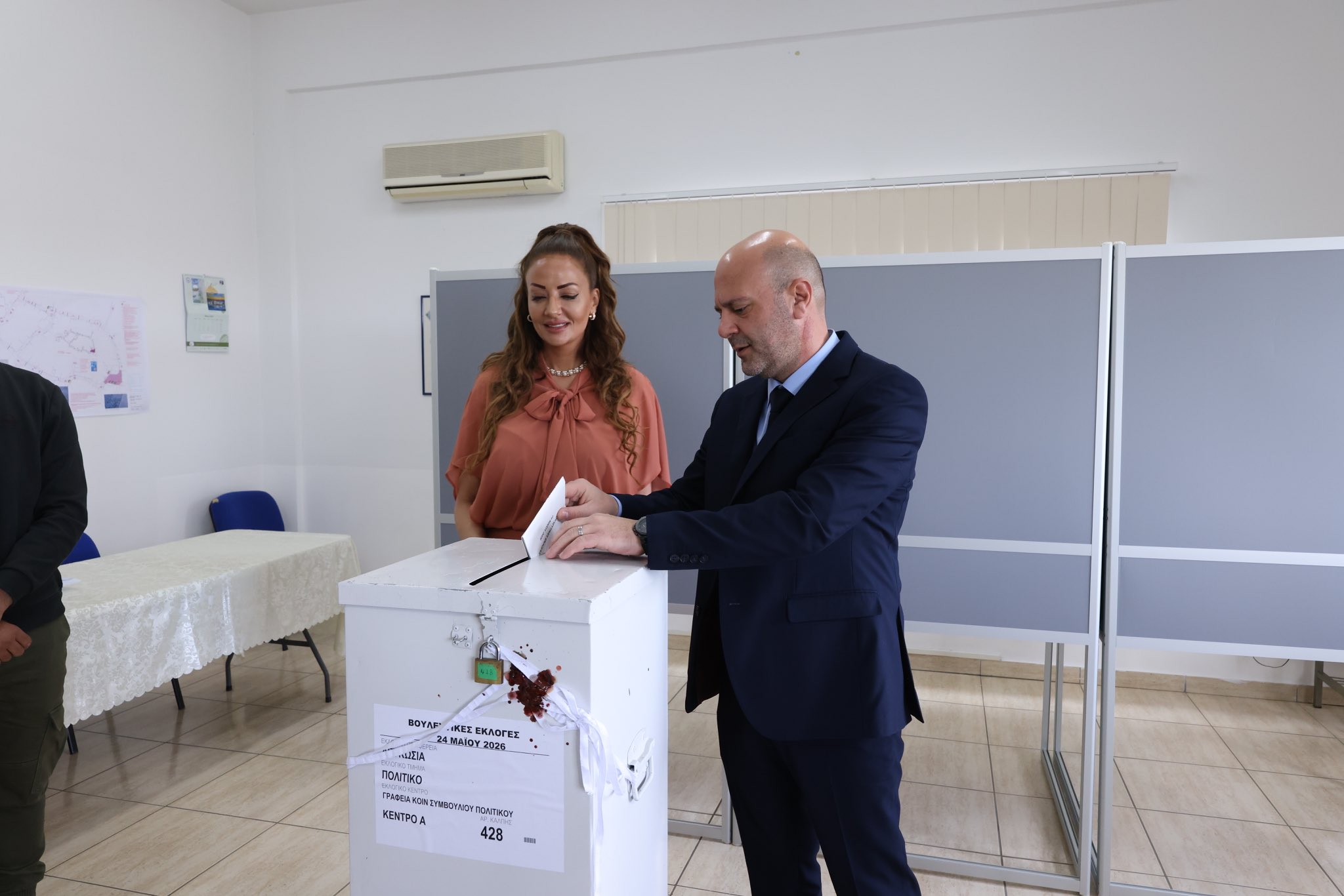
In this sense, the result was disappointing. Otherwise, in absolute terms, an upstart party getting 5.8 per cent is quite impressive.
“Odysseas came off as too arrogant, a crusader, posing as the only incorruptible politician. He also exuded bitterness over how he was treated in the past – and this sort of acrimony put people off.”
As for Fidias Panayiotou, the goofy TikToker who now leads the Direct Democracy party, his faux pas may have been his nuptials just days before the elections. The wedding was seen as too extravagant, too showy – contradicting Panayiotou’s image as the down-to-earth kid from the neighbourhood.
Meantime Elam, in spite of their gains, flatlined. Some polls had even suggested they might get 15 per cent. They well short of that.
Their main mistake, opined Protopapas, is identifying too much with the government.
“For example, they hardly said a word about the Videogate affair.”
Protopapas noted: “Talking about the new parties, you don’t win elections only with videos and social media – you need organisation, you need candidates who campaign close to the people. Alma and Direct Democracy didn’t have this. By and large, their candidates lacked prior experience.”
As far as the opinion polls giving Elam, Alma and Direct Democracy a bigger share of the vote, the surveys – which are just a snapshot – were correct at the time.
“It’s not that the polls got it wrong. What happened is the momentum shifted in the last 10 days. And after all, keep in mind that in Cyprus approximately 20 per cent of the electorate decide literally on election day how they will vote. It makes for quite a fluid situation.”
In fact, the very last polls before the election did capture a relative drop in the support for Alma, Direct Democracy and Elam compared to earlier surveys.
Meanwhile the 3.6 per cent mark for entry into parliament proved to be the undoing for the Greens, Dipa and Volt.
The Greens paid the price for not fielding Charalambos Theopemptou and Alexandra Attalidou, both popular politicians.
Edek paid for the internal strife that had been going on for some time.
Dipa also lost some important names from their ticket.
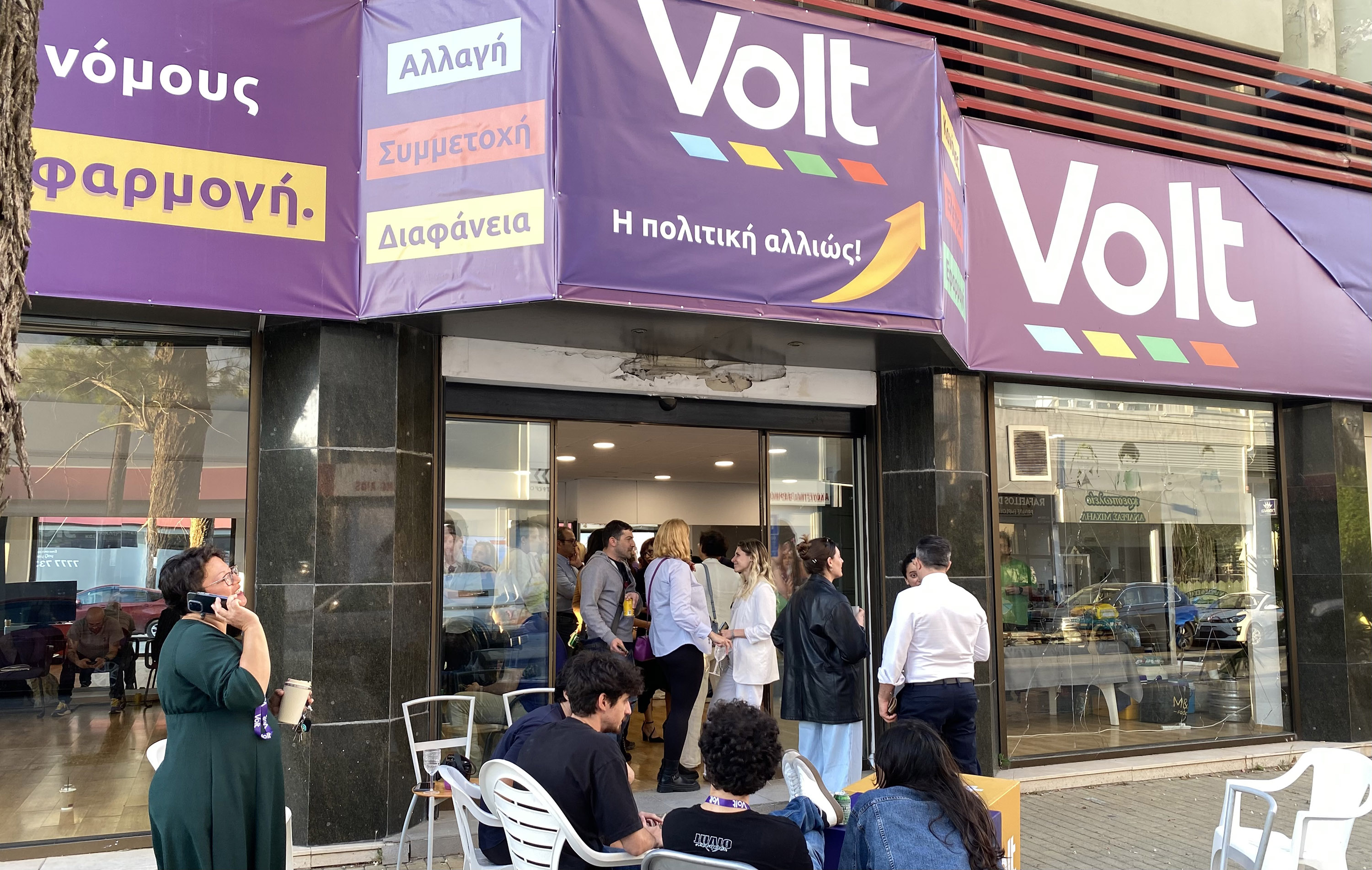
Volt had a cogent political narrative as well as solid names on the ticket. But they suffered from lack of organisation and resources. Perhaps also the ‘Sandy affair’ – made known by their candidate Makarios Drousiotis – had a negative impact.
Had turnout been higher, these parties would have fared better. But in the end, a large segment of disaffected voters showed their displeasure with the traditional parties by simply abstaining.
Now the question for these parties – Edek, Dipa, the Greens and Volt – is whether they are politically viable in the long run.
The big picture, according to Protopapas, is this: the parliament has swung to the right, though this doesn’t necessarily mean the electorate has too.
Since the middle class forms the backbone of society and the electorate, it effectively decides election outcomes.
“The Cypriot electorate is not radical – be it on the left or the right of the spectrum. Unlike Europe, where you have extreme forms of left and right-wing politics.
“The middle class here seeks stability, the status quo. They’re risk-averse, they dislike disruptions. This also extends to the Cyprus problem – why risk upsetting the status quo?”
Speaking of the 3.6 per cent threshold for entry into parliament, it became that in 2015, ostensibly to “reduce parliamentary fragmentation.” Previously it had been set at 1.8 per cent. The big parties then decided to shake things up.
“Totally arbitrary,” commented Protopapas. “They just basically doubled the number.”
Why was it 1.8 per cent originally? Because 100 per cent (of the votes cast) divided by 56 (the number of seats) gives 1.8.
Pambos Papageorgiou, assistant professor at European University, had a similar take on the elections.
For methodological reasons, he explained, he likes to look at each party separately, rather than make an overall assessment of the result, which can prove quite elusive.
But broadly speaking, he did offer that there now exists a conservative majority in parliament, favouring the pro-government camp.
Still, that doesn’t necessarily improve President Nikos Christodoulides’ chances for re-election.
“That’s because Disy did quite well under the stewardship of Annita Demetriou. The polls had predicted lower results for Disy, but at the very last they rallied.
“With Disy now feeling more confident, they’re bound to contest the presidential elections with one of their own – so highly unlikely that they’ll back a non-Disy candidate or Christodoulides in 2028.”
Besides, Papageorgiou said, the Disy charter implicitly points to nominating the party leader as presidential candidate. Though the party leader does not have to be the candidate, he or she is the first choice.
The gist: it has now become “more likely” that Demetriou will run for president in 2028.
For Akel, whereas they beat back the tide, the downside is that they’ll now face a tougher time in parliament. That’s because Edek and Volt, who might have sided with Akel on legislation, are out of the picture.
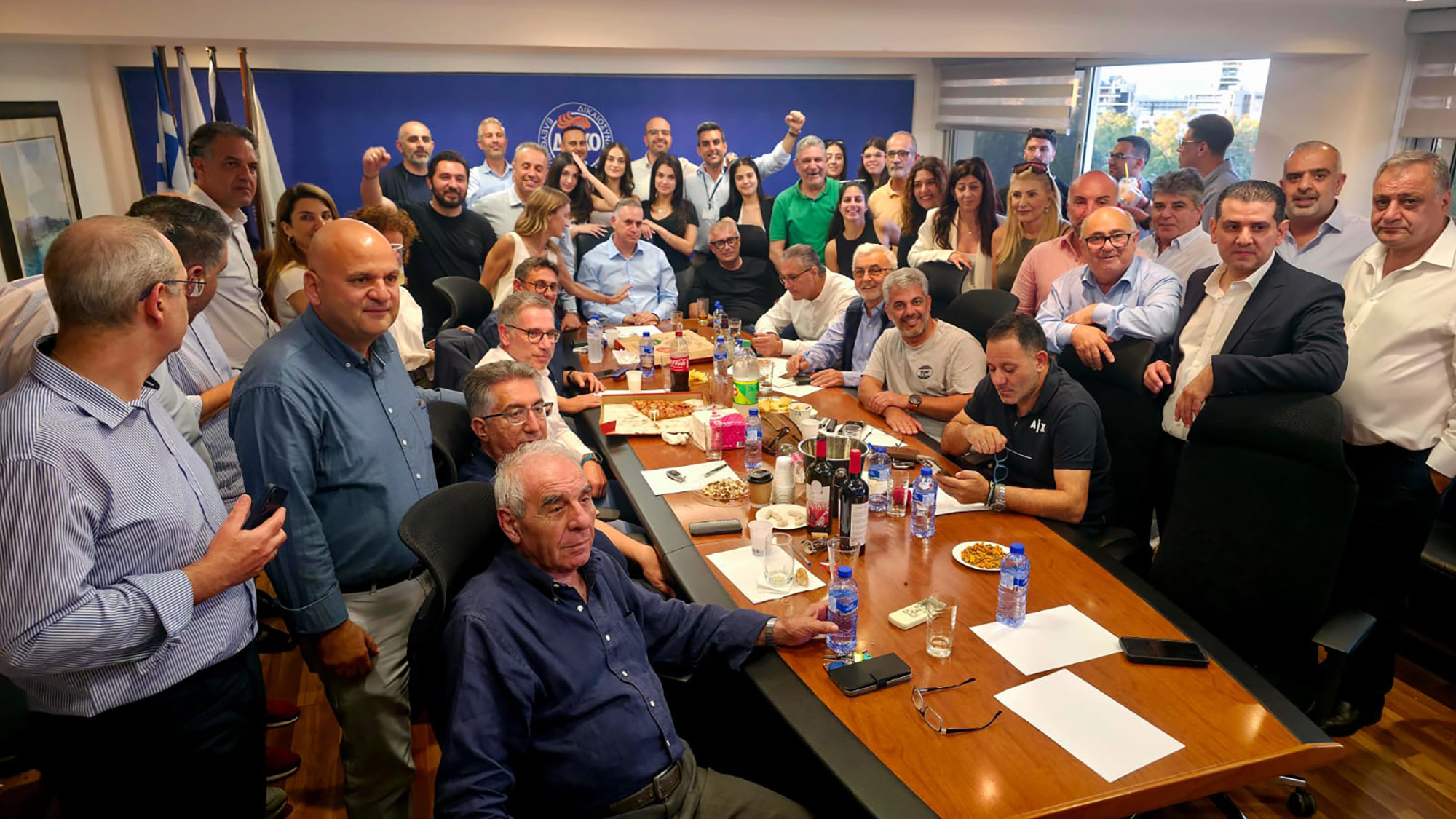
As for Diko, the 10 per cent is a historic low.
But, said Papageorgiou, it could’ve gone even worse for them – considering that in the Nicosia, Paphos, Limassol and Famagusta districts they took a hit of almost 15 per cent compared to 2021.
What saved the day was their marquee candidate in Larnaca – Andreas Apostolou, formerly with Edek. Thanks to him, Diko got a major boost in Larnaca, making up for the decline in the other districts.
Regarding the new kids on the block – Alma and Direct Democracy – they pitch themselves as ‘anti-establishment’.
“You might say Alma is anti-establishment among the older cohort of voters, and Direct Democracy is anti-establishment among younger people.”
Having entered parliament, Direct Democracy is now eligible for a €500,000 annual state grant. This will give them a boost.
But on the other hand, the party may well implode – there’s a lack of organisation, plus it’s not uniform. Two of the MPs elected have an outright far-right profile, the other two are much more moderate. There’s a mismatch, they’re not coherent – and this could cost them going forward.
It remains to be seen whether Fidias’ party will be a ‘flash in the pan’, as they say.
Alma represents a more serious opposition.
But a major drawback is the question that hangs over them – namely, will they be able to govern? Many people vote based on their perception of whether a party can govern. But to govern, one needs allies, a coalition. Yet Michaelides has alienated everyone, as he’s too confrontational.
“On the one hand, it was smart to play the ‘anti-corruption’ card, it resonates with voters,” Papageorgiou said,
“But on the other hand, Odysseas is too extreme, and that gives some voters the jitters.”





Click here to change your cookie preferences