
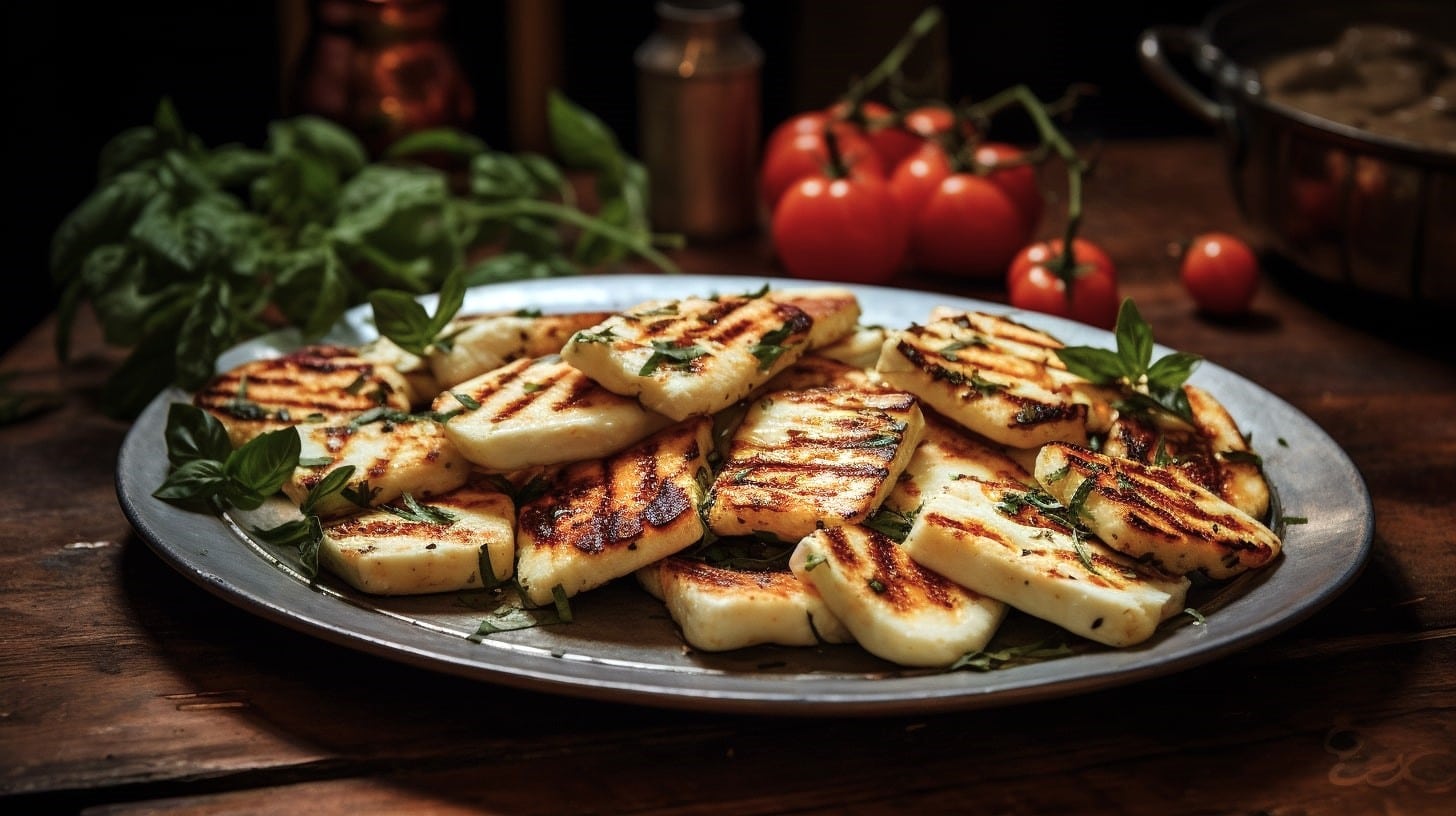
Cyprus’ cheesemakers are considering seeking changes to halloumi’s Protected Designation of Origin (PDO) framework as concerns grow over future milk supply and export sustainability.
In their statement issued on Monday, the Cheesemakers’ Association confirmed it is examining the possibility of requesting a revision to the milk ratio requirements set out in the European specification.
Spokesman Michalis Koullouros said maintaining exports remains the industry’s primary objective and argued that discussions on the quota are being driven by market realities and available milk production.
“It goes without saying that it is something we are discussing and thinking about because everyone’s goal is to maintain exports,” he said.
Under the PDO framework, the transitional period concludes in July 2029, after which sheep and goat milk must account for at least 51 per cent of the halloumi mixture.
Cheesemakers have expressed concerns that reaching that threshold could prove difficult without affecting export volumes, particularly following recent losses to livestock populations.
Koullouros said any application to amend the quota would require lengthy examination by European authorities and therefore decisions would need to be taken quickly if the industry chooses to proceed.
He argued that the discussion centres on aligning the framework with actual milk availability while safeguarding a product that generates approximately €350 million annually in exports.
The prospect of amending the PDO specification has, however, drawn firm opposition from the sheep and goat farmers’ association.
On Sunday, the organisation rejected any attempt to alter the approved European framework and called on all stakeholders to focus instead on increasing sheep and goat milk production and achieving full compliance with the existing rules.
“Halloumi is not a common cheese product that can be adapted according to market or export needs,” the association said.
The group stressed that the European Union had granted a 15-year transitional period specifically to allow the sector to adjust gradually to the PDO requirements.
It argued that the 51 per cent threshold is directly linked to the authenticity of halloumi and the preservation of traditional sheep and goat farming in Cyprus.
“The only product that can bear the name PDO halloumi is one that fully meets the approved European specifications,” the statement said.
Farmers further warned that weakening the standard could have consequences for family farms, suppliers and rural communities dependent on sheep and goat production.
They maintained that production challenges do not justify revising a protected product specification and urged the industry to concentrate on measures that increase milk output rather than reopening the terms under which halloumi secured European protection.





Click here to change your cookie preferences