
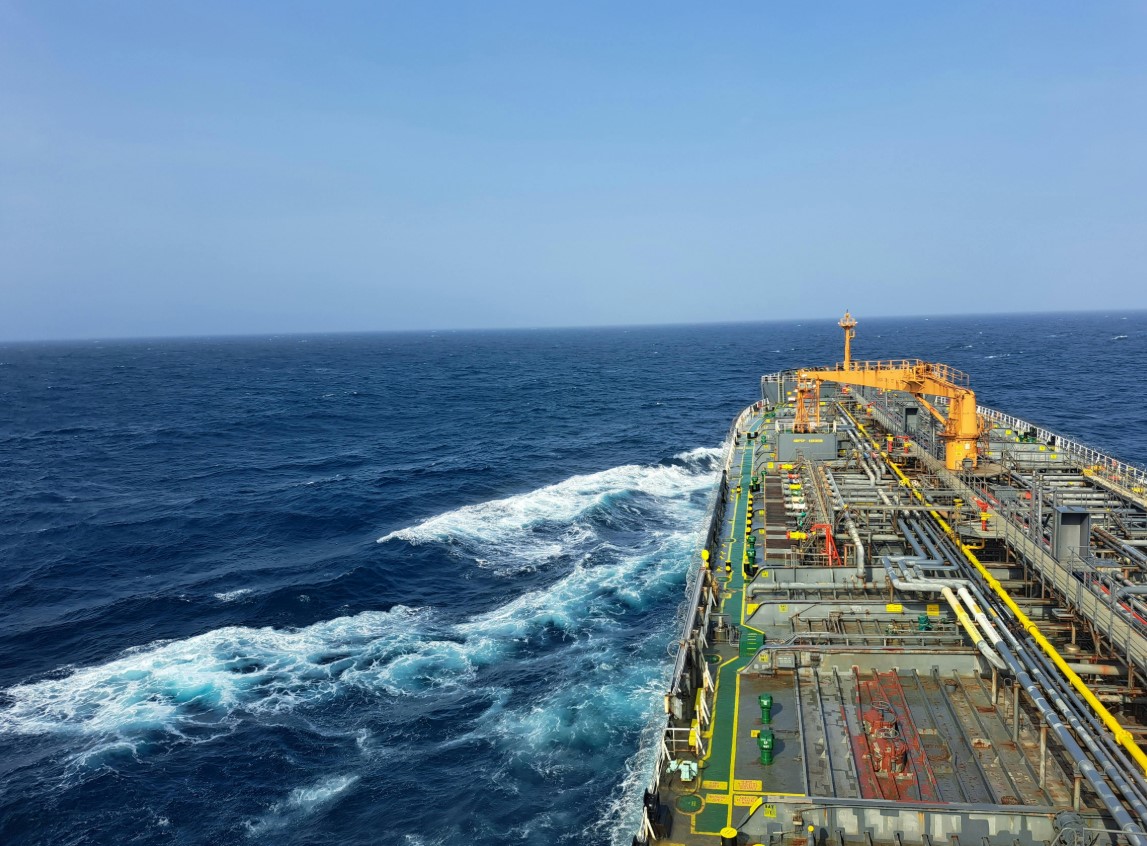
Greek shipowner George Prokopiou has warned that global development depends on open seas and access to affordable energy, calling for greater realism in Europe’s maritime and environmental policies.
Speaking at Posidonia, according to Newmoney, Prokopiou said shipping remains the main link in the global supply chain and should not be treated separately from the wider needs of the world economy.
At a time of rising geopolitical tensions, changing energy balances and growing pressure for a faster green transition, the founder of Dynacom Tankers, Dynagas and Sea Traders said decisions taken without technical and economic realism could have wider consequences for global trade and growth.
He said the Covid-19 pandemic had served as a strong reminder of shipping’s importance, as vessels continued to carry energy, food, raw materials and essential goods while economies around the world were under pressure.
Prokopiou questioned the way some European policymakers approach the decarbonisation of the sector, warning that certain categories of vessels are often presented as the main problem in efforts to reduce emissions.
Such an approach, he suggested, fails to take into account the broader picture and risks creating negative side effects for both economic competitiveness and the smooth operation of transport.
He also referred to the so-called shadow fleet, saying its activity had recently declined as available markets had narrowed. Russia, he said, now remains the main market for many of these vessels, which often operate without adequate maintenance or insurance cover.
This, he warned, raises concerns over environmental protection, navigational safety and human life.
At the same time, Prokopiou placed strong emphasis on freedom of navigation, describing it as a basic condition for global trade.
International sea lanes, he said, must remain open and accessible, without restrictions or additional burdens, as the steady movement of goods remains essential for the stability of the global economy.
He also paid tribute to seafarers, saying they continue to work in high-risk areas during times of crisis, including in sensitive maritime corridors such as the Strait of Hormuz.
Their dedication, together with the trust built between crews and shipping companies, remains one of the key reasons why the sector continues to withstand major disruptions, he said.
Energy was another central part of his remarks. Prokopiou said the discussion around the energy transition must be grounded in reality, as global demand for energy continues to rise.
Economic growth, transport, industrial production and the daily needs of households still require large quantities of energy, he said, adding that the world continues to depend on oil, natural gas, LNG and coal.
For this reason, he described the current period not simply as one of energy transition, but as one of “energy addition”, with new sources gradually being added to the mix rather than fully replacing traditional forms of energy.
He also stressed that energy security is not only about whether resources are available, but whether they can be accessed at competitive prices.
Without affordable energy, he warned, the competitiveness of economies and industry is put at risk.
Turning to shipping’s environmental footprint, Prokopiou said the sector often faces disproportionate criticism compared with its role in global emissions.
Shipping, he recalled, carries around 90 per cent of global trade, adding that any effort to cut emissions must be based on scientific evidence and technologies that can be applied in practice.
In this context, he said classification societies and technical organisations have an important role to play, as they have the expertise needed to assess available technologies and support effective, realistic regulation.
Closing his intervention, Prokopiou linked today’s challenges to Greece’s long maritime tradition, saying the defence of open seas remains a timeless principle for Greek shipping.
At a time of uncertainty, he said the international maritime community must remain focused on freedom of navigation, energy security and the smooth functioning of global trade.



Click here to change your cookie preferences