
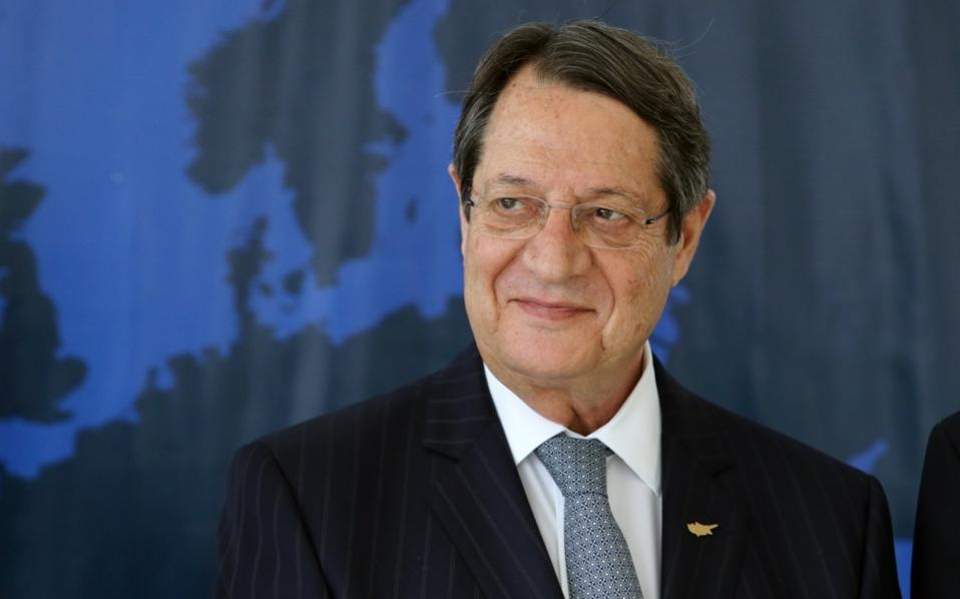
The issue of whether former presidents enjoy immunity from prosecution is open to debate, two prominent lawyers told the Cyprus Mail on Monday, one day before former president Nicos Anastasiades will hold a news conference addressing the findings of the anti-corruption authority into the book Mafia State.
Last week the anti-corruption authority said Anastasiades may be criminally liable on the grounds he may have committed “abuse of power” in several instances while in office from 2013 to 2023.
The question of presidential immunity is addressed by Article 45 of the constitution, which states that the president of the Republic “shall not be liable to any criminal prosecution during his term of office except under the provisions of this Article”.
But it’s unclear and open to interpretation whether a president, once no longer in office, may be criminally liable for offences committed while in office.
A senior lawyer we spoke to, who requested anonymity, said views differ among the legal community.
“Some say you can’t prosecute someone for something they did during their presidency, after they cease to be president. I disagree.”
In any case, the source added, the only body to decide that will be the court – specifically the criminal court that will hear the trial regarding any prosecutions relating to the Mafia State case.
In court, assuming charges would be filed against Anastasiades, the latter would likely argue he has immunity and cannot be charged.
“The prosecution will say no – your immunity covers you only while you are in office. Once you leave office, your immunity is over.”
At any rate, ultimately the attorney-general will be the one deciding whether to press charges against the former president.
“If there’s a strong case against Anastasiades, I can’t see how the AG won’t prosecute,” the source told us.
The twist is that attorney-general George Savvides and his deputy Savvas Angelides have recused themselves from any involvement in the matter.
That leaves the eight attorneys of the Republic, who are the next most senior officials. They would be the ones to file prosecutions.
But the eight are underlings to the AG and the deputy AG. While they might not be answerable to their bosses in this case – as they have recused themselves – it still poses the question of impartiality.
The only other option would be to appoint an independent prosecutor – from the private sector.
There is precedent for this – former attorney-general Costas Clerides appointed an independent prosecutor – Elias Stefanou – in the case against then deputy AG Rikkos Erotokritou.
Nevertheless, an independent prosecutor would need to be appointed by the attorney-general.
The same source said it would be the first time a former president will have been prosecuted – assuming it happens.
In the past, there had been calls to indict Demetris Christofias over the deadly explosion at Mari naval base. But that was different, as Christofias was the sitting president at the time. In the end, no prosecution was brought against him.
Attorney Achilleas Demetriades confirmed there is no case law in Cyprus regarding the immunity of a former president.
Opinions diverge, he added.
“This issue can be resolved by posing the question to Anastasiades during tomorrow’s press conference: if there is a criminal case against him, will he invoke Article 45? And if his answer is no, the matter becomes moot. But if the answer is yes – meaning he does claim immunity – we’ll have to sit down and seriously and carefully consider the issue.”
Demetriades stressed: “This case is unique, in that the credibility of the system is at stake. We’ve got to be super-cautious on who gets appointed as prosecutor. If an independent prosecutor is appointed, along with the independent investigators, that might restore faith in the system.”
Meanwhile, as part of coming investigations, the police may question Anastasiades. He cannot invoke immunity from being investigated or questioned.
However, like any other citizen, he has the right to remain silent.




Click here to change your cookie preferences