
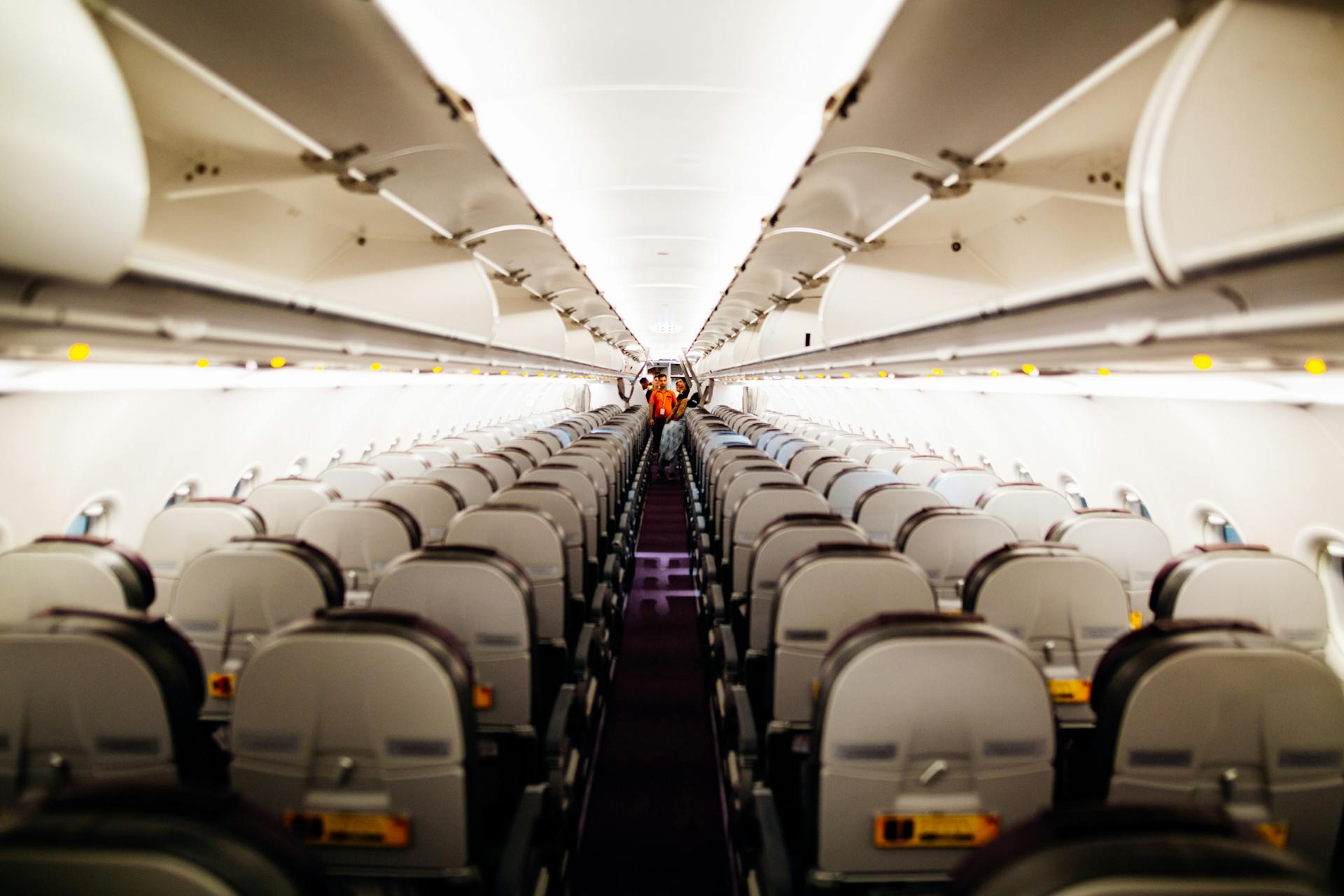
European Parliament members voted on Tuesday to approve extensive changes to air passenger rights, aiming to secure faster compensation and improved transparency for travellers.
The new regulations, passed with 646 votes in favour, 12 against, and 3 abstentions, mark a significant update to the existing framework which has been in place since 2004.
Passengers will retain their rights to refunds or re-routing in the event of flight cancellations, while compensation remains available for delays exceeding three hours or instances where boarding is denied.
Compensation levels continue to be determined by the distance of the flight, specifically €250 for journeys up to 1,500 km, €400 for EU flights exceeding 1,500 km or other flights between 1,500 and 3,500 km, and €600 for all longer-haul travel.
Airlines may reduce compensation by 50 per cent for long-haul flights if they provide alternative transport that results in an arrival delay of no more than four hours.
Exemptions from compensation apply only in extraordinary circumstances beyond an airline’s control, such as natural disasters, wars, adverse weather, unruly passengers, or strikes at airports and air navigation services.
Regardless of the cause of delay, airlines must provide refreshments, meals, and up to three nights of accommodation when necessary to support stranded passengers.
The new rules mandate that refund processes be simplified, with automated payments for those choosing a refund over re-routing, and clear guidance on claims must be provided within four days of the journey’s end.
Travellers now have a nine-month window to submit compensation claims, while airlines are required to either pay out or justify a refusal due to extraordinary circumstances within 30 days.
Furthermore, passengers gain the right to use a return flight even if they did not utilise the outbound leg, and the carriage of a small personal item as hand luggage is now guaranteed at no extra cost.
To ensure price transparency, all costs including hand luggage must be displayed from the very beginning of the booking process, though airlines may still offer cheaper fares for passengers travelling without cabin bags.
Additional consumer protections include the abolition of fees for correcting spelling errors on names and the provision of digital boarding passes without requiring a user account or specific application.
Passengers with disabilities or reduced mobility are now protected if they miss a flight due to a failure in airport assistance, ensuring they remain entitled to compensation and re-routing.
Families and vulnerable groups will receive enhanced support, as airlines are now required to seat children under the age of 14 next to their accompanying adult for free, a policy that also applies to pregnant women and those with reduced mobility.
“We have good news for everyone who takes the plane; we worked hard to ensure that passengers will not lose the rights they already had, ensuring at the same time better protection for families, individuals with reduced mobility and others who need it most,” said Vice-Chair of the Committee on Transport and Tourism Virginijus Sinkevičius.
“The present vote is a victory, both for passengers, and for European aviation; after more than 13 years of deadlock, we are finally replacing uncertainty with clear rules, stronger rights and confidence; when people take a plane, they will not leave their rights behind,” stated rapporteur Andrey Novakov.
Following this parliamentary approval, the agreement must be formally ratified by the Council by early August 2026, with the regulations coming into force 20 days after their official publication.
Member states and airlines will be granted a one-year period to prepare for the full implementation of these measures.




Click here to change your cookie preferences