
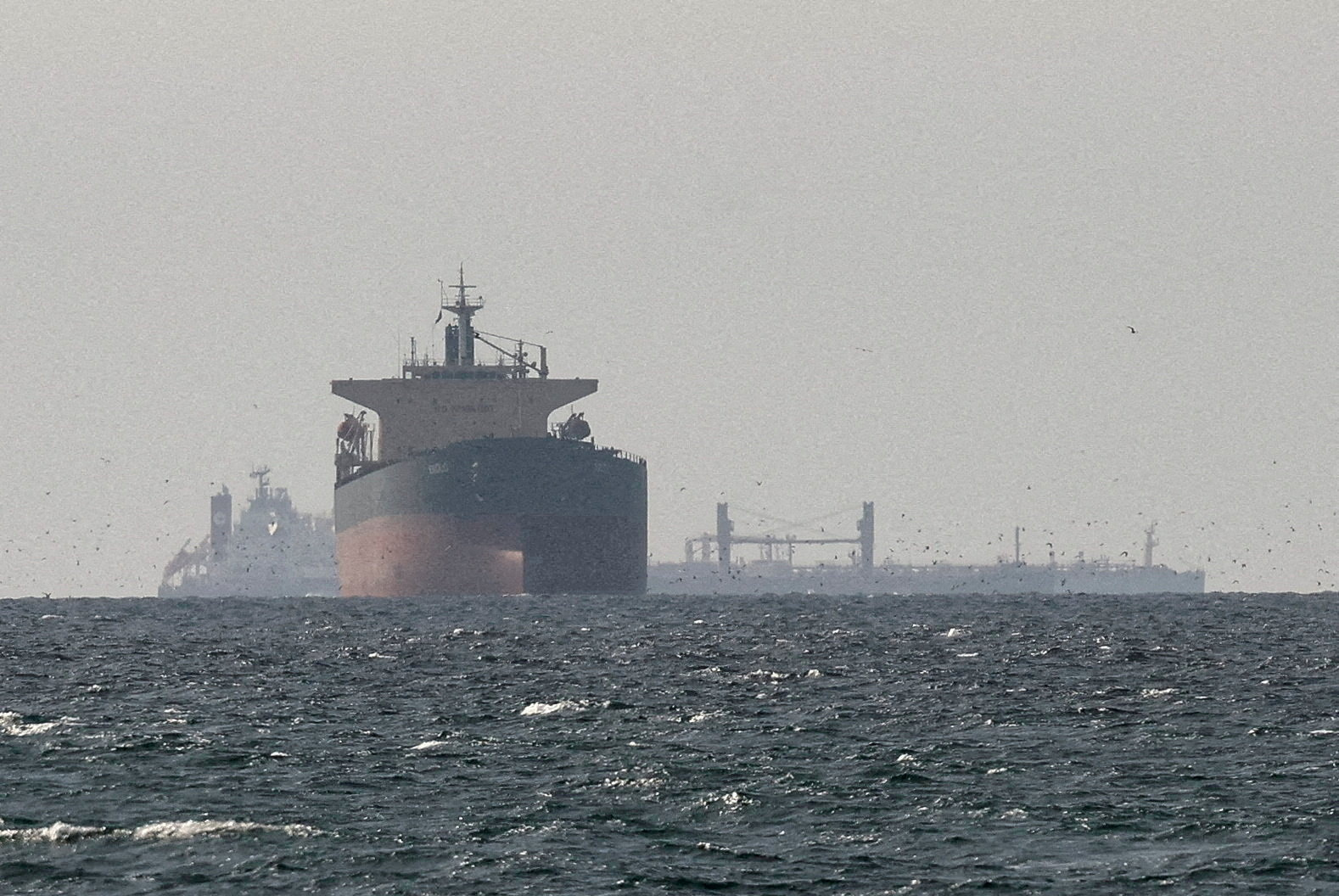
International shipping is facing a fresh wave of uncertainty, as security risks in the Strait of Hormuz intensify following new attacks on commercial vessels, while Super Typhoon Bavi threatens to disrupt key trade routes and port operations across Taiwan and eastern China.
Maritime risk consultancy EOS Risk Group has raised its assessment for vessel transits through the Strait of Hormuz to EXTREME, its highest level, after three commercial ships were attacked or damaged within 24 hours. The company advised shipowners and operators to postpone passages through the area until further notice, warning that the risk of further incidents had become highly likely.
The warning comes after UKMTO confirmed a new security incident in the area, saying a tanker transiting the strait had been struck by an unidentified projectile and was believed to have sustained structural damage. No casualties or pollution were reported, although vessels were urged to transit with caution and report suspicious activity.
The escalation followed attacks involving the Qatari LNG carrier Al Rekayyat and the Saudi-flagged crude tanker Wedyan. According to Reuters, Qatar and Saudi Arabia blamed Iran for the attacks, although Tehran has not claimed responsibility.
At the same time, the Joint Maritime Information Centre raised the threat level for the Strait of Hormuz to severe from substantial, pointing to a much more dangerous operating environment for merchant shipping. Seatrade Maritime reported that the latest incidents had made further hostile action against vessels highly likely.
The importance of the waterway makes each incident far more than a regional security concern. The Strait of Hormuz remains one of the world’s most critical energy corridors, carrying more than a quarter of global seaborne oil trade and around one-fifth of global LNG trade, according to the US Energy Information Administration.
Shipowners are already responding. At least four oil and gas tankers turned back from planned Hormuz transits after the latest attacks, including three Qatari LNG tankers and the Indian-flagged VLCC Lila Vadinar, Reuters reported. Traffic through the strait also fell sharply, underlining the immediate operational impact of the crisis.
For shipping companies, the concern is no longer only whether the strait remains technically open, but whether it can be used safely and predictably. EOS analysts warned that Iran appears to be pushing vessels away from the southern Omani route and towards the northern route closer to the Iranian coast, a pattern that could complicate decisions for shipowners, charterers, insurers and fleet managers.
The military backdrop has also become more dangerous. The US said it had carried out strikes on Iranian targets after the tanker attacks, while Iran said it had targeted US military sites in Bahrain and Kuwait, raising concerns for Gulf states hosting American facilities. The development has added another layer of risk for vessels, crews and energy infrastructure across the wider region.
However, pressure on shipping is not limited to the Gulf. In Asia, Super Typhoon Bavi is moving towards Taiwan and eastern China, threatening one of the world’s busiest maritime trading areas.
According to Signal Group, the typhoon has been classified as Category 5 by ECMWF forecast models and could bring wind gusts of up to 100 knots and waves of around 12 metres. The company said vessels had already begun adjusting routes to avoid the most dangerous areas.
The impact could be felt across dry bulk, container, tanker and gas shipping. If major Chinese ports temporarily suspend or limit operations, congestion could build at anchorages and inland transport links, while delays at dry bulk terminals could affect the movement of key commodities such as iron ore, coal, bauxite, soybeans and nickel ore.
Reuters also reported that Taiwan had placed almost 29,000 military personnel on standby as Bavi approached, with the worst wind and rain expected later this week before the storm moves towards China’s eastern coast.





Click here to change your cookie preferences