
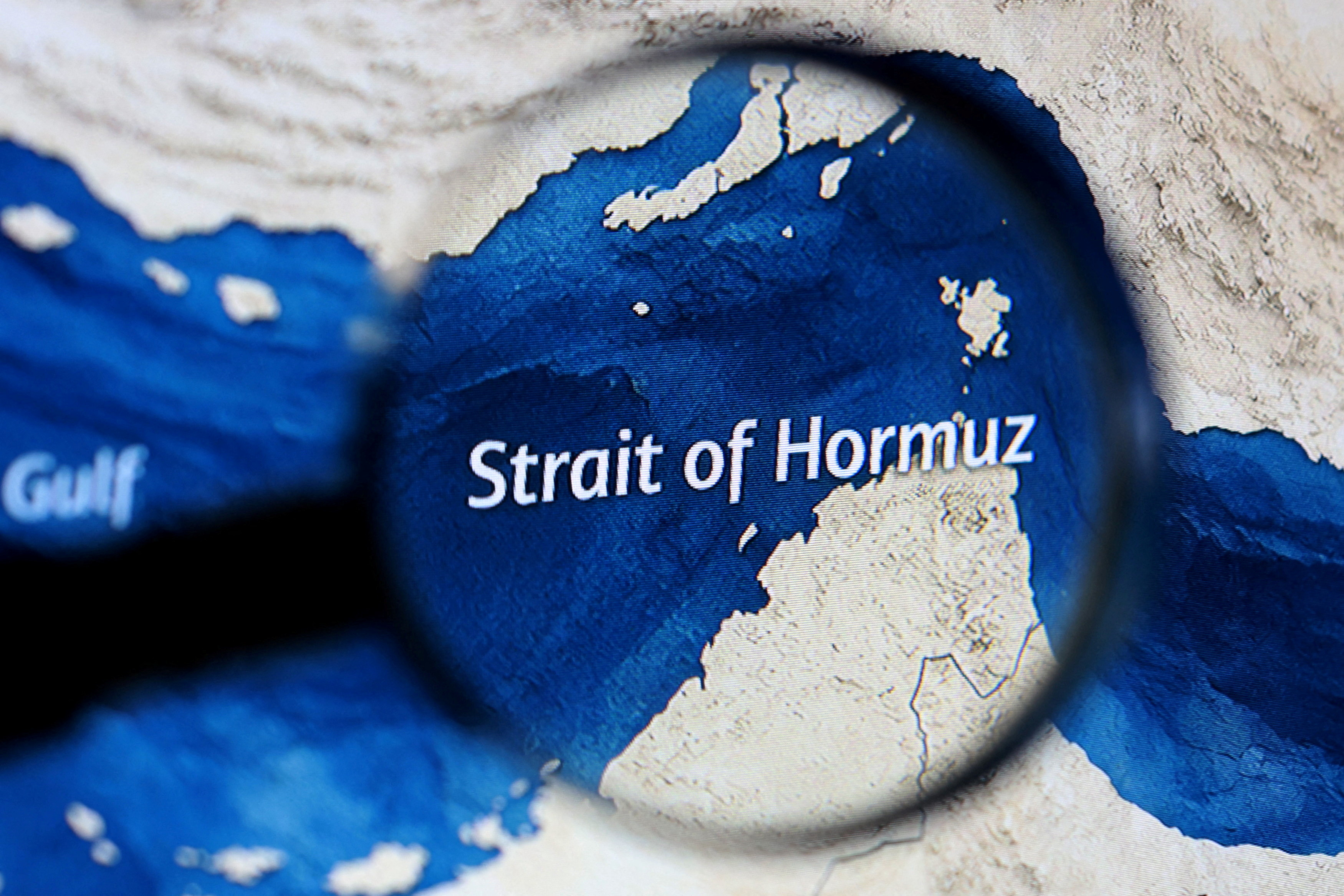
Most tankers stranded in the Persian Gulf since the Iran conflict began have now left, but the vessels needed to keep the region’s oil exports moving are not returning.
A temporary US-Iran truce in mid-June released close to 100 million barrels of crude that had been trapped inside the Gulf, leading to a sharp rise in outbound traffic through the Strait of Hormuz.
In the week to June 28, 242 vessels crossed the waterway, up from around 60 per week during the previous months. However, that remained well below the more than 700 weekly crossings recorded before the conflict.
Crude tanker crossings rose to 57 during the same week, compared with a wartime average of just 15. Yet the recovery was heavily one-sided, with 157 of the 242 non-Iranian vessels travelling eastwards and leaving the Gulf.
That imbalance shows that shipowners are prepared to move loaded vessels out of the region but remain reluctant to send empty tankers back towards the export terminals of Saudi Arabia, the United Arab Emirates, Qatar, Kuwait and Iraq.
Before the conflict, tankers inside the Gulf represented about 150 million barrels of crude-carrying capacity, most of it involving empty vessels waiting to load. That capacity has since fallen below 100 million barrels, with only a small share now made up of available empty ships.
The backlog of stranded cargoes may therefore be clearing, but the shortage of returning tankers is making it harder for Gulf producers to restore regular exports and production.
Meanwhile, the latest attacks on commercial vessels have brought the brief recovery close to a halt. At least four tankers turned back on July 8 after maritime authorities raised the threat level for ships crossing Hormuz to “severe”.
They included three empty QatarEnergy LNG carriers travelling towards the Ras Laffan export terminal, as well as the Indian-flagged VLCC Lila Vadinar, which was carrying two million barrels of Kuwaiti crude.
By July 9, tanker traffic through Hormuz was again at a near standstill, with only two tankers recorded crossing during the early hours of the day.
Daily traffic had averaged about 40 ships during the previous two weeks, still far below the pre-conflict average of between 125 and 140 sailings.
Some vessels are switching off their Automatic Identification System transmitters, meaning the actual number of crossings may be higher. Nevertheless, shipping data and the decision by several vessels to reverse course point to another sharp deterioration in confidence.
One of the ships attacked this week, the Qatari LNG tanker Al Rekayyat, remained stranded near Oman after a projectile caused a fire in its engine room. Its cargo was reported to be secure, with no injuries or environmental damage recorded.
The incidents have also prompted some war-risk insurers to advise companies to pause voyages, while others are reviewing their coverage conditions.
Insurance was already being assessed on a voyage-by-voyage basis, adding another layer of uncertainty for owners considering a return to the region.
For shipowners, entering the Gulf means accepting the risk twice, as every vessel travelling in to collect a cargo must later cross Hormuz again to leave. Even the high freight rates available in the region are proving insufficient to outweigh the potential danger to crews, vessels and cargoes.
The strait carried about one-fifth of global oil supplies before the conflict began on February 28. Its recovery, therefore, cannot be measured solely by how many stranded ships have managed to leave.
A return to normality will require empty tankers to begin sailing back into the Gulf in significant numbers. Until security conditions stabilise, the region may continue to empty of vessels without regaining the shipping capacity needed to restore its oil trade.





Click here to change your cookie preferences