
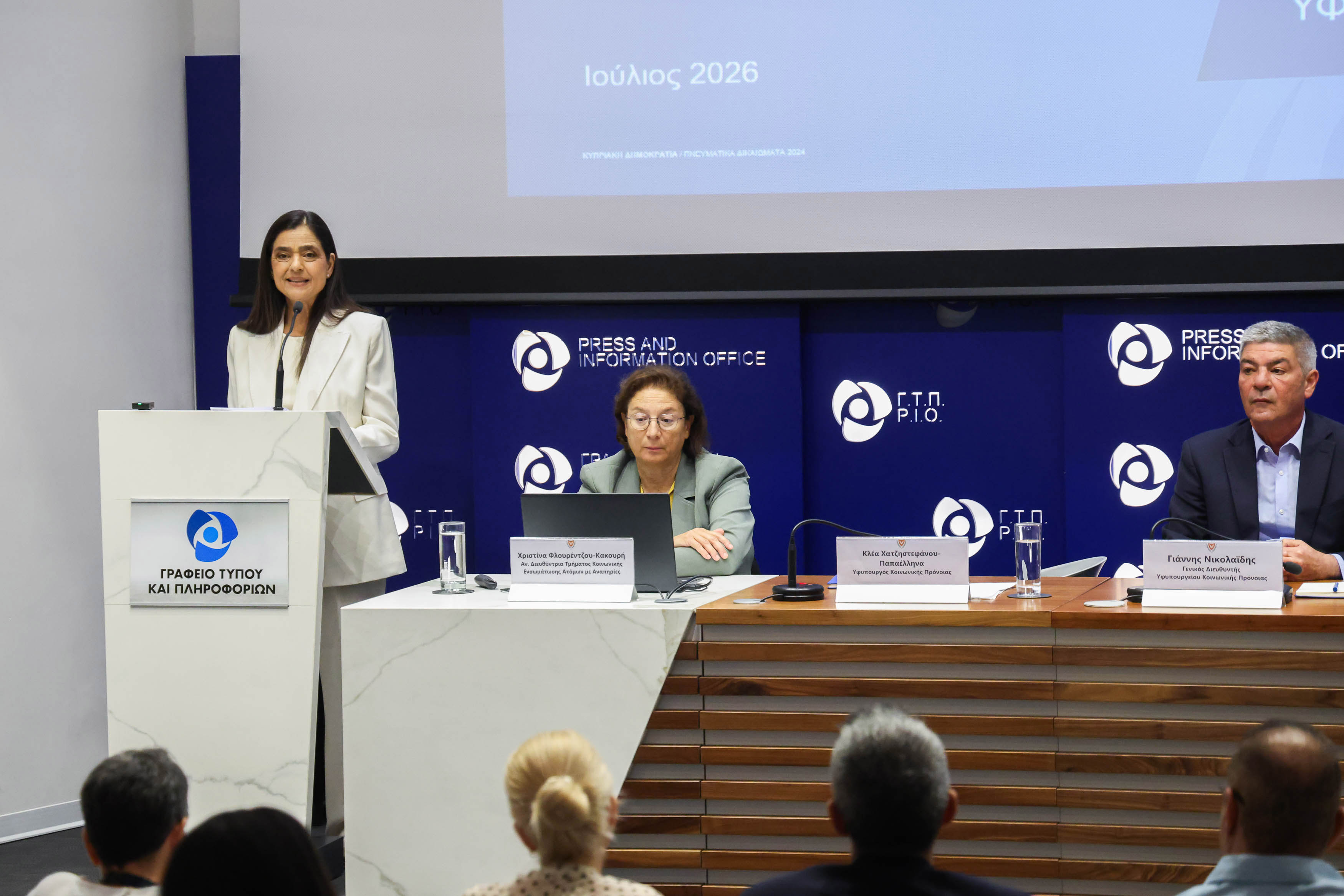
Disability benefits are increasing and becoming more inclusive through legislation voted in on July 2, which Deputy Welfare Minister Clea Papaellina on Friday described as one of the most important reforms in years.
Presenting the roadmap for the implementation of the new legislation, Papaellina said it improved the way in which the state approached disability and placed people at the centre, safeguarding their dignity, quality of life and fundamental rights.
The roadmap provides for the gradual improvement of benefits, while those who are already eligible will continue to receive allowances.
All monthly allowances paid out by the deputy welfare ministry will be raised and will gradually include 5,000 more people over the next three years, and more after that, with the aim of reaching 12,000 new beneficiaries above the 15,000 already eligible.
Papaellina said that for the three-year period till 2028, additional funds of approximately €106 million have been approved for benefits, namely €26m for 2026, €35m for 2027 and €45m for 2028.
The new legislation introduces a comprehensive framework of 11 social provisions for and eight services for independent living, which strengthen the autonomy, social integration and custom support for people with disabilities.
She explained that the 11 social provisions covered allowances for personal assistance and home care, transport, support consumables, day care participation, subsidies to purchase a car, wheelchair, support consumables and technology, subsidised holidays, wheelchair and technology borrowing, a parking pass and a European disability card.
The eight services included decision-making advisors, instructors, labour integration professionals, personal assistants, sign language interpreters, social aides, independent living home support and early family support consultants.
This, Papaellina explained, would facilitate people to choose and decide how to live and how to participate in society.
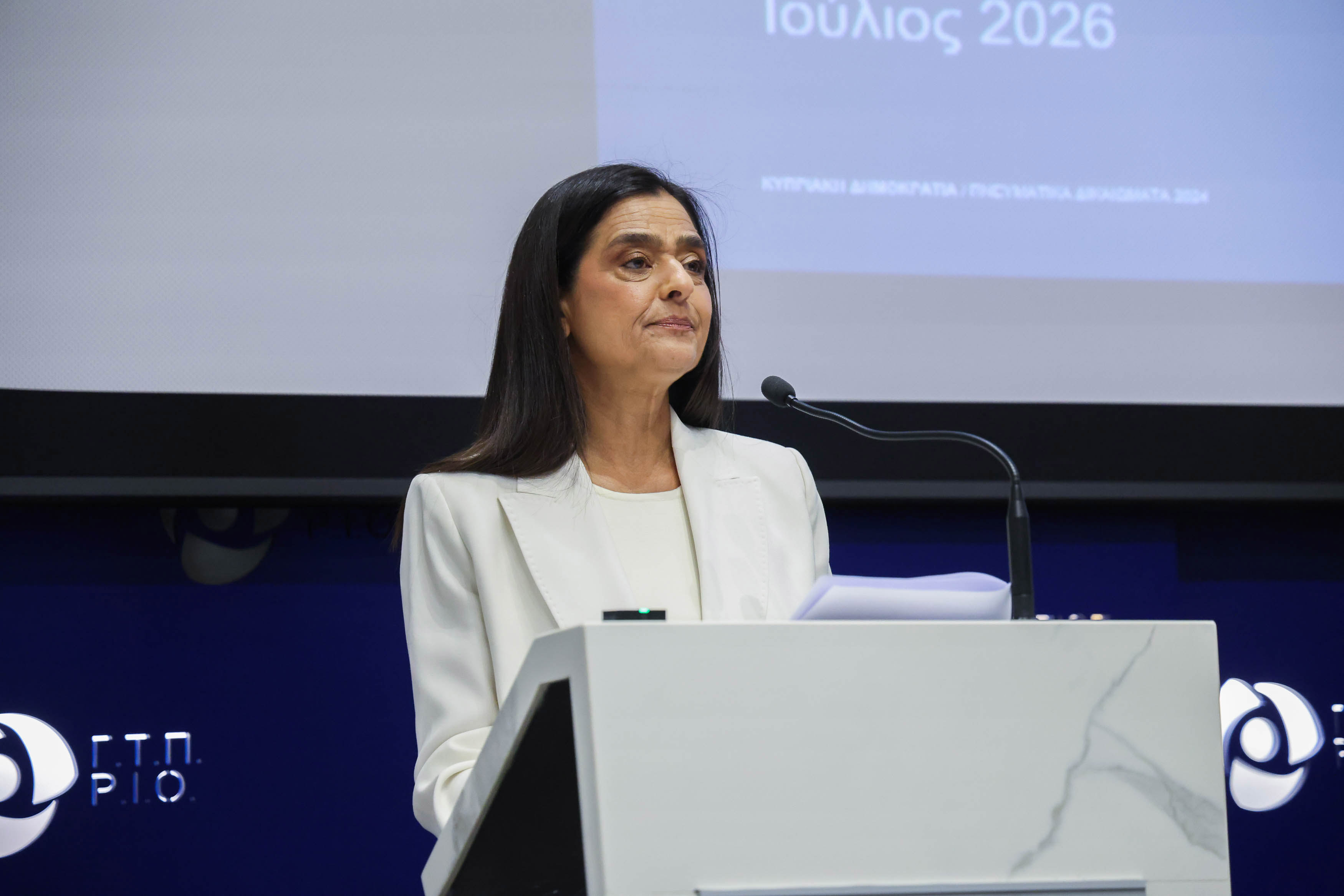
She added that the implementation of such an important reform did not end with passing legislation, but demanded continuous work, upgrading of information systems, adaptation of procedures and a constant flow of information to the people.
The success of the reform, she said, would be measured “not by our new operational mechanisms, but by the improvements made to the quality of life of people with disabilities, broadening their options and allowing them to participate equally in social life.”
To this end, the deputy welfare ministry will continue to closely cooperate with the organisations for the disabled and their families.
At the same time, the department for the social integration of people with disabilities will draft an annual report with detailed data on the how the new legislation is being implemented.
Papaellina said the law was fully harmonised with the UN Charter for the rights of people with disabilities, the European and national strategy on disabilities, as well as the government’s programme.





Click here to change your cookie preferences