
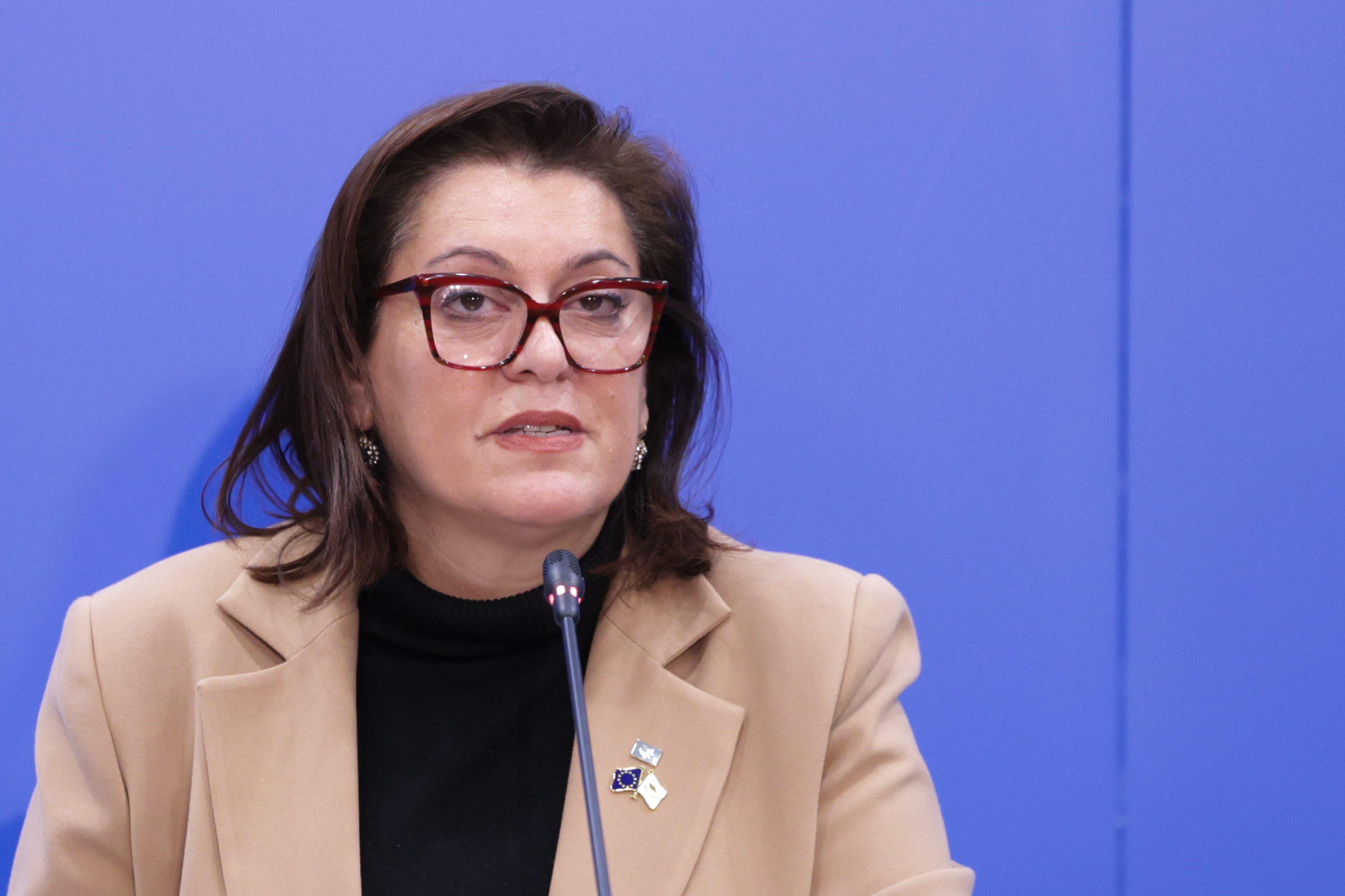
The use of prefabricated classrooms in public schools is not inherently negative, provided they are used to address overcrowding or accommodate pupils while permanent school buildings are upgraded or expanded, Education Minister Athena Michaelidou said on Monday.
She cited areas experiencing rapid population growth and schools with increasing numbers of pupils from migrant backgrounds as examples of where additional classroom space is required.
Responding to the Audit Office report on the extensive use of prefabricated classrooms, Michaelidou said such facilities remain necessary until new schools and improved infrastructure are completed.
“Until new schools are built and upgraded facilities are available, we must have suitable prefabricated classrooms, always with the safety of children as our priority,” she said.
The Audit Office’s report found that temporary classrooms have, in many cases, become a long-term solution to overcrowding and highlighted weaknesses in planning, oversight and school infrastructure management.
Michaelidou welcomed the report, noting that the ministry had already submitted its views, which are included in the report’s appendix.
She said the report acknowledges the need for prefabricated classrooms while warning against allowing them to become permanent.
“For us, all of the Audit Office’s recommendations are an important tool for improvement,” she said, describing the cooperation between the ministry and the Audit Office as “excellent” and adding that its reports serve as a guide for ministry policy.
“There is nothing negative about having prefabricated classrooms where there is overcrowding because they help us implement our education policies,” she said.
Addressing safety concerns, Michaelidou said the ministry’s technical services had issued a circular instructing all school boards to inspect every school under their responsibility, including all classrooms – not only prefabricated units – for safety issues.
She added that schools had been instructed to address any safety concerns immediately, without waiting for prior approval, with the education ministry covering the cost of the necessary works.
Michaelidou said the government had delivered new school buildings during the past three years and had drawn up an extensive investment programme for the next three years.
She said €60 million has been allocated through the state’s three-year fiscal framework, with an equivalent amount to come from European funding, to finance new technical schools, secondary schools and primary schools across Cyprus, as well as extensions and upgrades to existing buildings.
“Our school buildings were neglected for decades. They require immediate action, and that is exactly what we have been doing over the past three years. These efforts will be intensified even further over the next three years through the state budget,” she said.




Click here to change your cookie preferences