
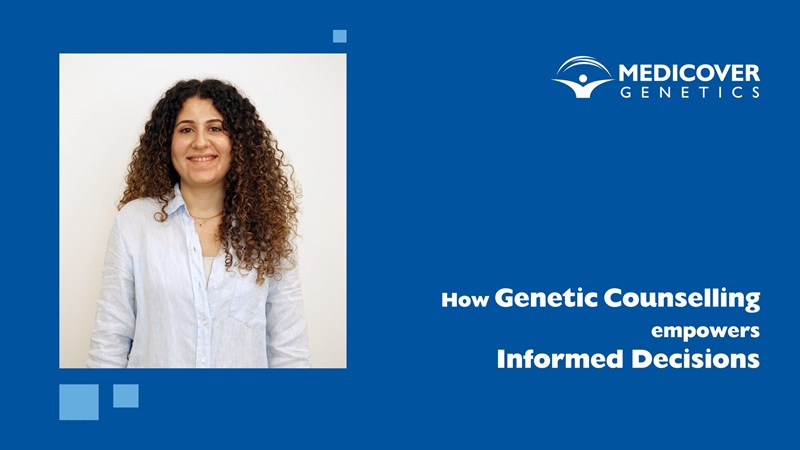
By Marilena Tapaki*, Genetic Counsellor, Medicover Genetics, Cyprus
With personalised medicine reshaping modern healthcare, genetic counselling has become a vital service. Advances in genetics furnish better diagnosis, prevention and treatment of disease based on a person’s genes, yet individuals are constantly faced with complex information. Genetic counselling, a patient-centred, impartial and non-directive communication process, bridges this gap by translating science into clear, easy-to-understand knowledge, offering tailored support and empowering individuals to make informed, voluntary decisions.
At its core, genetic counselling, provided by a genetic counsellor, a trained healthcare professional specialised in genetics, offers individuals and their families insights into how inherited traits may affect their health. Genes passed down from parents can sometimes carry variations that cause or increase the likelihood of certain health conditions.
Before genetic testing, genetic counsellors review personal and family medical history and assess potential risks, guiding individuals in determining whether genetic testing is appropriate while explaining the benefits, limitations and possible outcomes. This guidance replaces confusion with clarity and ensures educated choices.
Following genetic testing, genetic counsellors assist in result interpretation and help individuals understand the implications for both their personal health and that of family members. They provide evidence-based recommendations on appropriate next steps, including strategies for prevention, risk mitigation, ongoing surveillance and clinical management. It is important to emphasise that genetic counsellors do not provide medical diagnosis, but are part of multidisciplinary teams and contribute to the individual’s overall care.
Broad role in significant healthcare
Genetic counselling has important applications in a wide range of cases such as:
- During family planning, where it helps couples understand inherited risks and make informed decisions before having children
- In cases of infertility or recurrent miscarriages, where it supports couples in identifying possible genetic causes affecting conception and pregnancy, as well as in exploring available reproductive options
- During pregnancy, where it provides information and guidance regarding prenatal screening and diagnostic testing along with the interpretation of possible findings related to the fetus
- In newborn screening, where it supports parents in understanding and interpreting test results
- In cases with a personal or family history suggestive of an inherited condition (e.g. cancer, cardiovascular diseases, neurological disorders, metabolic conditions), where it contributes to the investigation of possible genetic causes and assesses the likelihood of inheritance in other family members
Wider benefits of genetic counselling
The benefits of genetic counselling often extend beyond the individual. Families can directly participate in genetic counselling, as learning about hereditary risks may encourage relatives to seek advice, screening, or preventive care. In this way, genetic counselling contributes to a broader and more proactive engagement for health management within families.
Genetic counselling is not limited to educating on genetics, but also delivering crucial psychological and emotional support. Learning about genetic risks or receiving test results can evoke anxiety, confusion or fear. Genetic counsellors create a safe, compassionate, and non-judgmental environment where individuals and their families can openly express their feelings, discuss concerns and process complex information at a pace that is comfortable for them.
In a world where genetic information is increasingly driving medical care, the value of genetic counselling is profound. By combining expert knowledge, guidance and emotional support, genetic counselling transforms complex science into meaningful choices, offering individuals who navigate through difficult decisions, the confidence, resilience and sense of control required to make them. After all, knowledge empowers action, helping individuals turn uncertainty into ethically informed decisions for both the present and future.
*Marilena Tapaki is a Genetic Counsellor at Medicover Genetics.
For more information about Medicover Genetics and its genetic testing and counselling services, visit: www.medicover-genetics.com.





Click here to change your cookie preferences