
Your brain is always changing
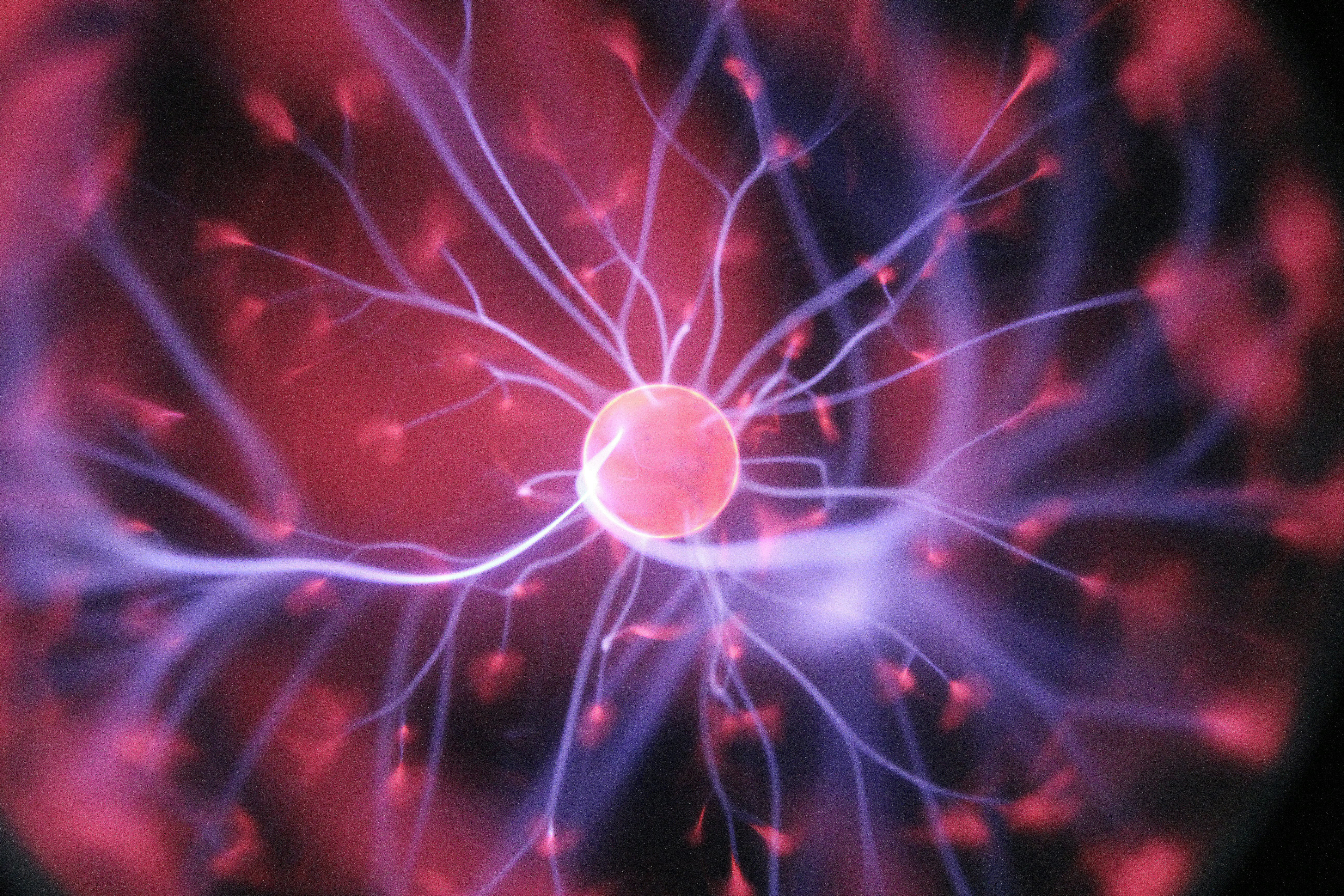
One of the most encouraging discoveries in modern neuroscience is that every day the human brain changes, adapts and rewires itself. This remarkable ability, known as neuroplasticity, means that thoughts, experiences, emotions and behaviours continually shape the way the brain functions.
This is powerful because it means the past does not have to determine your future. No matter what you have experienced, your brain remains capable of learning, adapting and developing throughout life.
The brain was built to grow
New experiences create new neural connections, while repeated thoughts and behaviours strengthen existing ones. The more often we think, feel, or do something, the stronger those neural pathways become.
This is why habits become automatic. Whether they are helpful or harmful, the brain becomes more efficient at repeating them. The good news is that unhealthy patterns can be changed.
Your thoughts shape your life
Every thought creates activity in the brain. Billions of neurons communicate through electrical and chemical signals, releasing neurotransmitters and hormones that affect your emotions, stress levels, motivation, decisions and physical health. Over time, repeated thought patterns may even influence gene expression through epigenetics.
Our thoughts affect brain structure; brain chemicals and hormones; stress responses; habits and behaviour; and daily decisions.
Simply put, repeated thoughts create repeated patterns. Negative thinking strengthens negative neural pathways, while hopeful and constructive thinking strengthens healthier ones.
Why people feel stuck
Many people feel trapped because they repeat the same thoughts every day. Some define themselves by their failures, painful experiences, personality labels, or past mistakes. Others become so familiar with emotional pain that it feels safer than change.
The brain naturally prefers familiar patterns. Lasting change begins when we realise our past may shape us, but it does not have to define our future.

Hardship can make us stronger
Although suffering is never enjoyable, it often develops qualities that comfort cannot. Challenges build endurance, character, emotional resilience, confidence and problem-solving skills.
The same is true for children. Parents who protect them from every difficulty may unintentionally limit their resilience. Facing age-appropriate challenges teaches children they are capable of overcoming obstacles, building both confidence and emotional maturity.
Trauma does not have the final word
Trauma can increase anxiety, heighten stress responses, and make emotional regulation more difficult by changing the brain’s neural networks.
However, neuroplasticity shows that the brain can heal. Healthy relationships, counselling, therapy, mindfulness, exercise, learning new skills and positive experiences all help create healthier neural pathways.
Finding meaning in difficult experiences
Many people find that life’s greatest challenges produce unexpected strengths. They often become more compassionate, build stronger relationships, develop greater emotional intelligence and gain a deeper appreciation for life.
Finding meaning does not remove pain, but it changes how we carry it. When difficulties become opportunities for learning and growth, they lose much of their power to shape our future.
Not every thought is true
One of the most important psychological skills is recognising that thoughts are not facts.
Many of our daily thoughts are simply repeated patterns, and some are influenced by fear, stress or past experiences. Instead of believing every thought, it helps to ask:
- Is this thought supported by evidence?
- Is there another explanation?
- Is this helping me or hurting me?
Learning to evaluate our thoughts rather than react to them builds emotional resilience.
Teaching children healthy thinking
Children benefit when they learn that feelings are real but do not always reflect reality.
Parents and teachers can help by teaching children to challenge negative thinking, solve problems calmly, and see mistakes as opportunities to learn. Adults also model resilience by admitting mistakes and showing that growth is possible at any age.
Rewiring the brain
Changing unhealthy thinking patterns takes time and consistency.
Some experts call this ‘self-brain surgery’ because it involves intentionally replacing unhealthy thought habits with healthier ones. Every time we choose a healthier response, we strengthen new neural pathways. Over time, these small daily choices become lasting habits.
Our thinking patterns influence more than our emotions.
Chronic stress and negative thinking can increase inflammation, weaken immunity, disrupt sleep and raise stress hormones. Healthier thought patterns can reduce stress, improve emotional wellbeing and help us cope more effectively with illness and life’s challenges. While changing our thinking cannot cure every disease, it can improve our overall resilience and quality of life.
Practical steps for lasting change
Transformation begins with small, consistent actions:
- Notice and question negative thoughts.
- Don’t let your past define you.
- Let challenges build resilience.
- Take responsibility for your growth.
- Build healthy habits and supportive relationships.
- Focus on progress, not perfection.
Over time, these habits strengthen healthier neural pathways and make positive thinking more natural.





Click here to change your cookie preferences