
Global augmented reality display shipments are forecast to reach 21 million units by 2030, overtaking virtual reality display shipments at 19 million units, according to research firm Omdia’s latest forecast for the extended reality near-eye display market.
The shift points to a broader change in demand across the microdisplay industry, as manufacturers increasingly prioritise lighter smartglasses designs while seeking to incorporate more artificial intelligence capabilities.
Omdia said the AI and AR glasses market continued to face a fundamental trade-off between device performance, weight and battery life, with manufacturers finding it difficult to optimise all three at the same time.
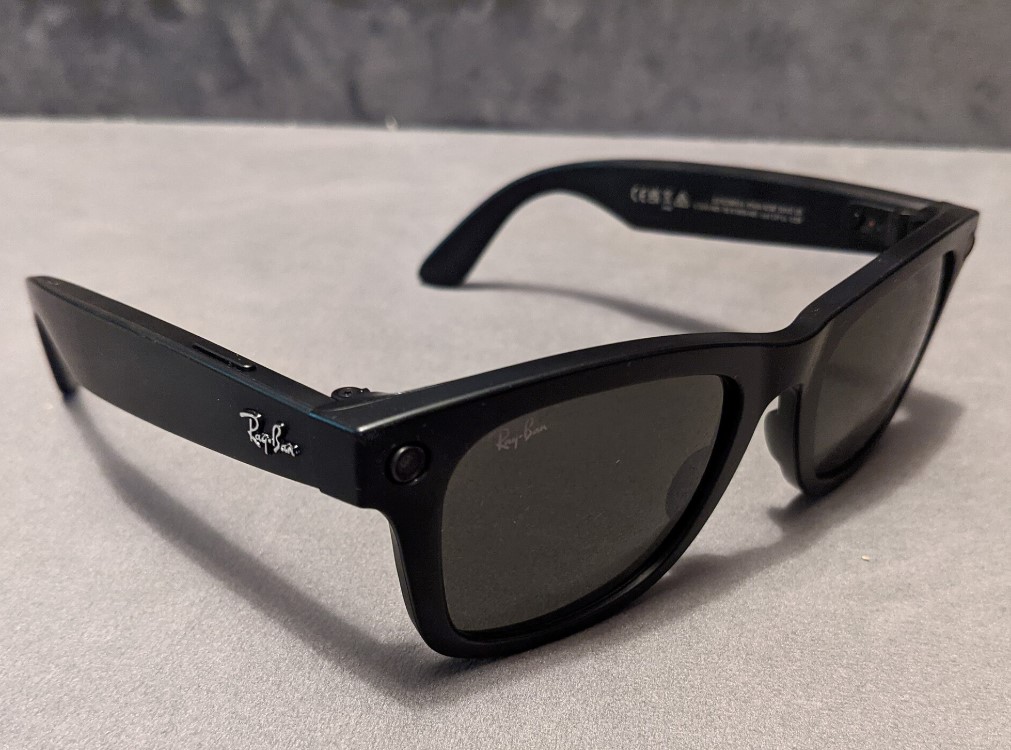
One approach has been to remove the display altogether and instead concentrate on artificial intelligence computing and audio-visual input capabilities, as seen in products such as Ray-Ban Meta.
The strategy reflects a wider industry effort to balance functionality with device weight and battery endurance, while also prompting manufacturers to reconsider how essential displays are to the next generation of smartglasses.
Omdia’s forecast indicates that the XR near-eye display market is undergoing a major structural shift, with AR displays expected to take a substantially larger share of the market over the coming years.
The share of VR displays is forecast to fall from 72 per cent in 2026 to 43 per cent by 2032.
Over the same period, the share of AR displays is expected to rise from 28 per cent to 57 per cent.
“The shift towards lighter devices is redefining the design of smartglasses,” said Jay Shao, principal analyst in Omdia’s Displays practice.
“As AI becomes an increasingly important part of the user experience, manufacturers are reconsidering the role of displays because of their impact on power consumption and device weight,” Shao explained.
“Demand for AR glasses displays will continue to grow, although these design constraints are likely to moderate the pace of growth,” he added.
The analyst also highlighted a different trajectory for VR display technology, where manufacturers are expected to favour solutions that can help make headsets more compact and comfortable.
“In VR, lightweight silicon-based OLED display technology is expected to gain long-term advantages as manufacturers pursue more compact and comfortable devices,” Shao stated.
The forecast suggests that the development of smartglasses will increasingly be shaped by the challenge of delivering advanced AI functions without adding significant weight or reducing battery life.
As manufacturers reassess the role of displays, Omdia expects the balance between AR and VR technologies within the near-eye display market to shift decisively towards augmented reality during the coming years.





Click here to change your cookie preferences