
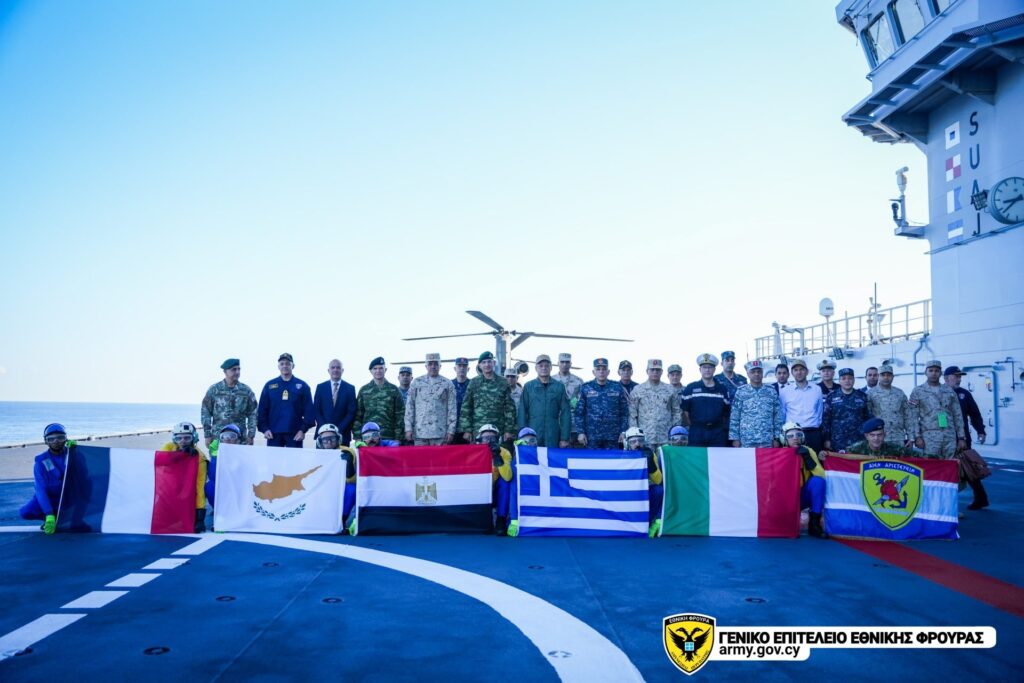
Cyprus took part in the multinational Medusa military exercise, which concluded on Friday off the coast of Crete after nine days involving forces from Greece, Egypt, France and Italy.
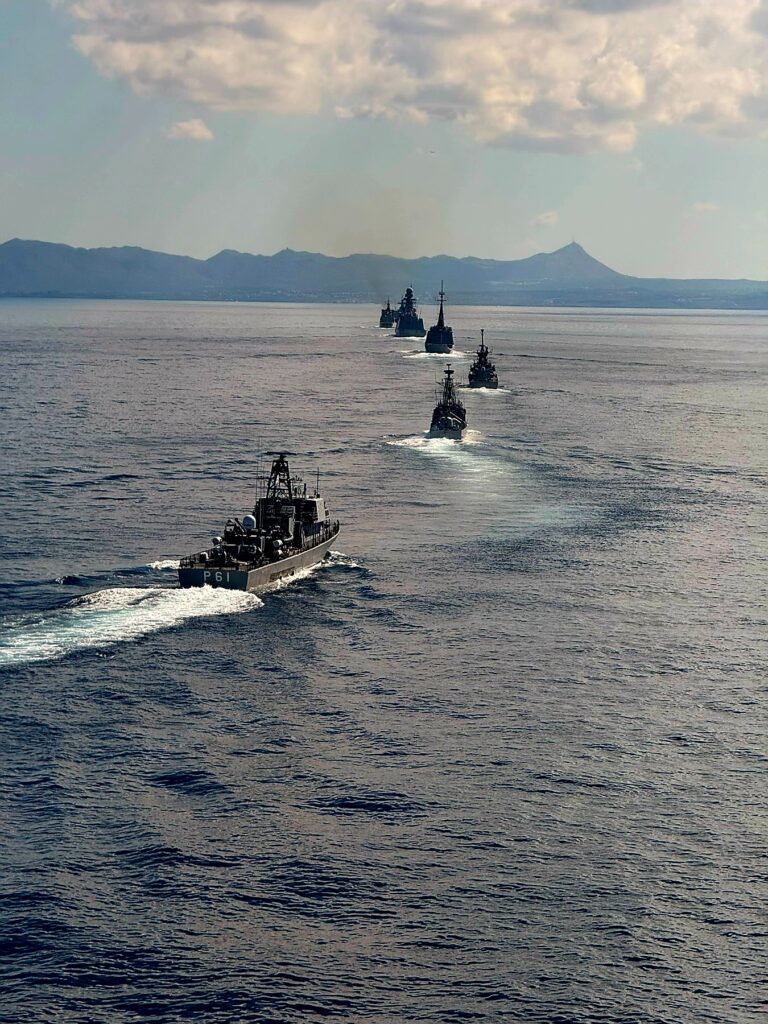
According to a National Guard statement, Cyprus contributed the patrol vessel the Commodore Andreas Ioannides from its navy, an AW-139 helicopter from its air force, as well as a special operations team.
The exercise’s final phase was monitored at sea aboard the Greek frigate Psara by National Guard Chief Lieutenant General Emmanuel Theodorou, Hellenic National Defence General Staff Chief General Dimitrios Choupis, and Chief of the Egyptian Armed Forces Lieutenant General Ahmed Fathy Ibrahim Khalifa.
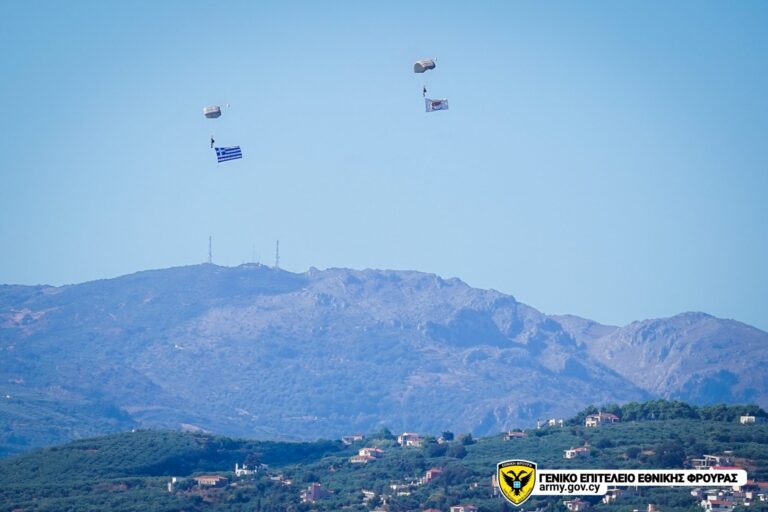
The exercise, which began last Thursday, was centred off the coast of Chania, with activities extending across the Myrtoan Sea in the Aegean and waters south of Karpathos.
Scenarios carried out during the drill included reconnaissance operations, a combined amphibious landing, and simulated air strikes involving attack helicopters and fighter aircraft.
Naval assets deployed included frigates, missile boats, corvettes, submarines, landing craft and a helicopter carrier.
Particular emphasis this year was placed on countering simultaneous drone swarm attacks.
The Greek made ‘Centaur’ anti-drone system featured prominently in scenarios designed to neutralise unmanned aerial threats.
Choupis said cooperation between Greece, Egypt and Cyprus in the Levant remained a strategic priority.
“Our cooperation with Egypt and Cyprus is stable, constantly expanding, and for us this strategic stake is a top priority for the Armed Forces of the two countries, in combination with Cyprus,” he said.
Medusa began in 2015 as a bilateral aeronautical exercise between Greece and Egypt before expanding into a wider multinational format.
It was hosted in Egypt last year, returning to Greece this year with Cyprus’s participation alongside observer states including Serbia, the United Arab Emirates, Bahrain and Mozambique.





Click here to change your cookie preferences