
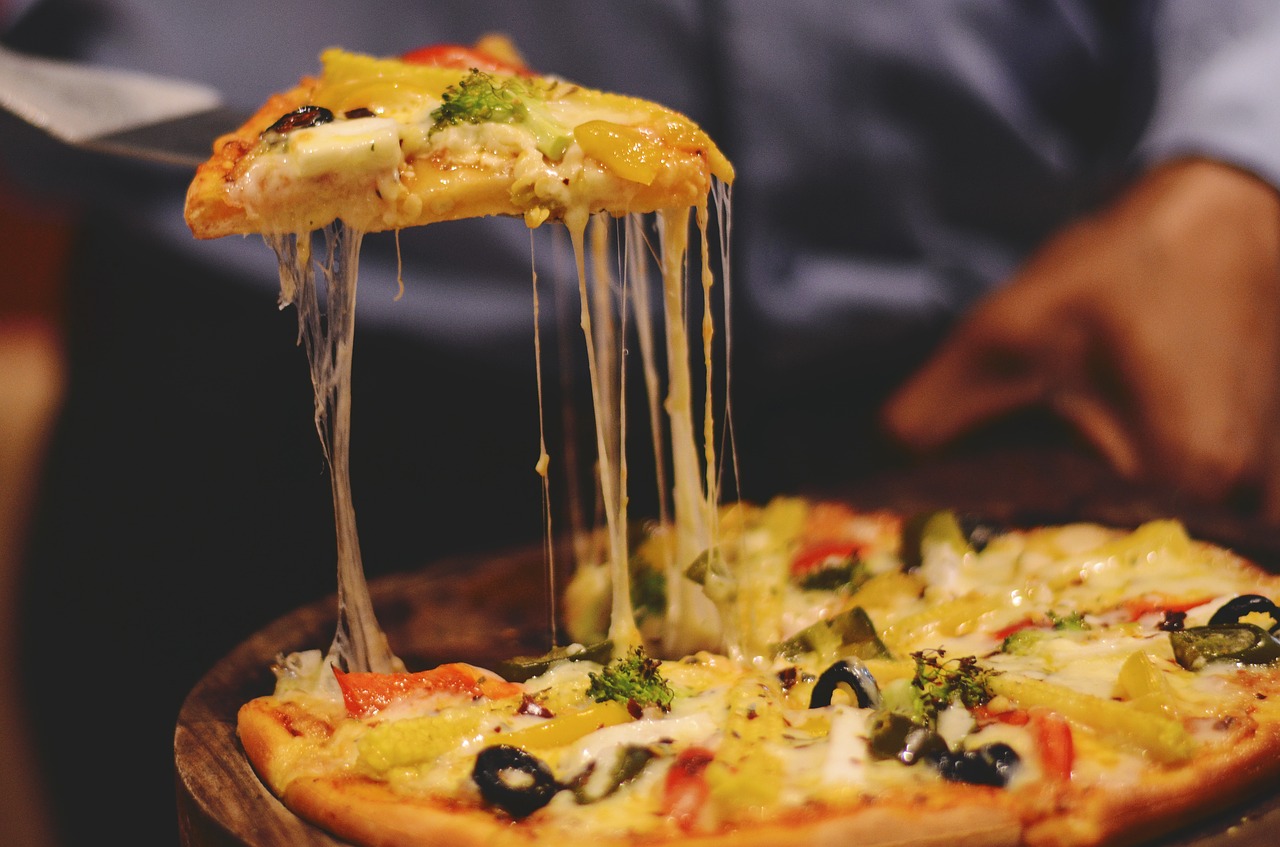
Pizza, one of Italy’s most recognisable culinary exports, has a history that stretches back through centuries of simple flatbreads and regional experimentation.
Its earliest ancestors can be traced to ancient Mediterranean societies – where baked doughs topped with oil and herbs were common among Greeks, Egyptians and Romans.
However, the modern identity of pizza emerged in Naples during the eighteenth and nineteenth centuries, when flatbreads became a popular street food for working class residents.
The addition of tomatoes, introduced from the Americas in the sixteenth century, gradually transformed these simple breads into the familiar pizza we recognise today.
Initially regarded with suspicion, tomatoes eventually became central to Neapolitan cuisine, giving rise to iconic varieties such as the Margherita, said to have been created in honour of Queen Margherita of Savoy.
Over time, pizza spread beyond Naples to the rest of Italy and then across the world, adapting to local tastes while retaining its essential character of a thin, baked base with varied toppings.
Regional variations developed, from the Roman style known for its crisp base, to the thicker Sicilian form often baked in rectangular trays and enriched with tomato, onion and anchovy.
In the twentieth century, Italian migrants helped popularise pizza in countries such as the United States, where it evolved further into diverse styles including New York thin crust and Chicago deep dish.
Today, pizza is both a global fast food and a refined artisanal product, with chefs experimenting with sourdough bases, heritage grains and seasonal, locally sourced ingredients.
Seasonally, pizza reflects its ingredients, with summer variations often featuring fresh tomatoes, basil and courgettes, while winter versions may lean towards richer cheeses and cured meats.
In Cyprus, pizza has been warmly embraced, often incorporating local flavours such as halloumi, olives and oregano, which reflect the island’s own Mediterranean heritage.
Pizzerias across the island blend Italian tradition with Cypriot ingredients, creating familiar yet distinctive interpretations that resonate with both residents and visitors alike.
From its humble beginnings as a Neapolitan street food to its current status as a worldwide culinary staple, pizza continues to evolve.
Recognition of Neapolitan pizza as part of the Unesco Intangible Cultural Heritage list in 2017 further highlighted its cultural importance, acknowledging the craftsmanship involved in dough preparation, fermentation and traditional wood fired baking methods that continue to define authentic versions of the dish in Italy and beyond.





Click here to change your cookie preferences